
Understanding Lithium Disilicate: What Makes It Unique?
What is Lithium Disilicate and How Is It Used in Dentistry?
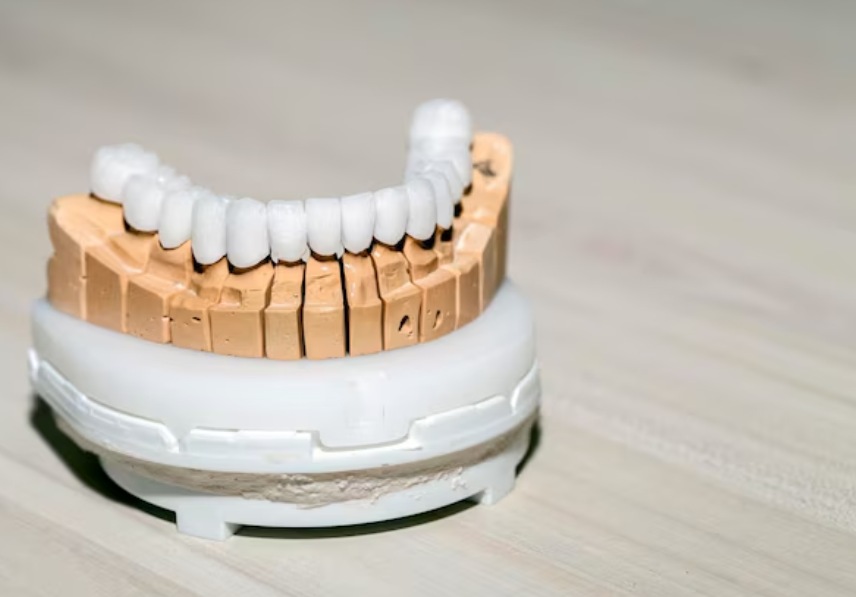
Lithium disilicate is a glass-ceramic that stands out for its toughness and beautiful look. Dentists love it because it gives both strength and a natural appearance. You’ll see it most often in crowns, veneers, and bridges. It also works great for inlays and onlays. Basically, it handles almost any restoration job you throw at it.
XANGTECH lithium disilicate offers significant advantages for dental restorations, characterized by its high chemical stability and impressive bending strength, which contribute to the longevity and reliability of the final prosthesis. That combo makes it perfect for front teeth where looks matter and back teeth where bite force is heavy.
How Does Lithium Disilicate Compare to Other Dental Materials?
Put it next to old-school porcelain or metal-backed crowns and lithium disilicate wins easily. It bends at around 400 MPa – way tougher than regular porcelain. Dentists can shave less tooth away because the material is strong even when thin. Patients keep more of their own tooth, which is always better.
On top of that, light passes through it almost exactly like real enamel. Zirconia or metal-ceramic pieces can look flat or fake. Lithium disilicate never does.
Why Do Dental Professionals Choose Lithium Disilicate Crowns for Aesthetics?
What Aesthetic Advantages Do Lithium Disilicate Crowns Offer?
This stuff copies real teeth better than anything else. It has the same see-through quality and little color shifts you see in natural enamel. No ugly gray lines show at the gum like with metal margins. Front teeth look completely real.
From an aesthetic perspective, lithium disilicate excels in delivering restorations with superior translucency and color matching, essential for achieving a high-quality, natural-looking finish. Labs can layer stains and play with shades until the crown disappears next to the neighboring teeth.
How Does Light Transmission Enhance the Appearance of These Crowns?
Natural teeth aren’t solid blocks of color – they let light in and bounce it around. Lithium disilicate does the same thing. They mimic the light-reflecting properties of natural enamel while maintaining superior durability, making them a leading option for both front and back teeth. The result is a soft, lively glow instead of that dead, chalky look some older materials give.
Clinical Performance and Durability of Lithium Disilicate Crowns
Are Lithium Disilicate Crowns Strong Enough for Everyday Use?
Yes, and then some. It has a flexural strength of around 400 MPa, making it significantly stronger than conventional porcelain crowns. Normal chewing, even fairly hard biting, doesn’t faze them. Many dentists place them on grinders and clenchers without worry.
The material handles real-world forces without complaint. That’s why you see it used for everything from single crowns to short bridges.
What Makes These Crowns Resistant to Chipping and Fracture?
Tiny interlocking crystals inside the glass give it the toughness. Cracks have a hard time traveling through that structure. Plus, labs can mill or press it dead-on accurate, so the crown fits perfectly and stress stays low.
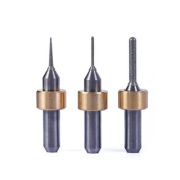
This material is highly conducive to milling, reducing wear on burs and extending their lifespan, thus optimizing operational efficiency.
The Role of Minimally Invasive Dentistry with Lithium Disilicate Crowns
How Do These Crowns Support Conservative Tooth Preparation?
Because the material is so strong, you don’t need to grind the tooth down to a stub. A thin crown still holds up fine. That means more natural tooth stays in the mouth – huge for long-term health.
Why Is Bonding Important in the Success of Lithium Disilicate Restorations?
The surface etches beautifully. Cement grabs on like glue to both enamel and dentin. That rock-solid bond keeps the crown from coming loose and seals the edge so bacteria can’t sneak in.
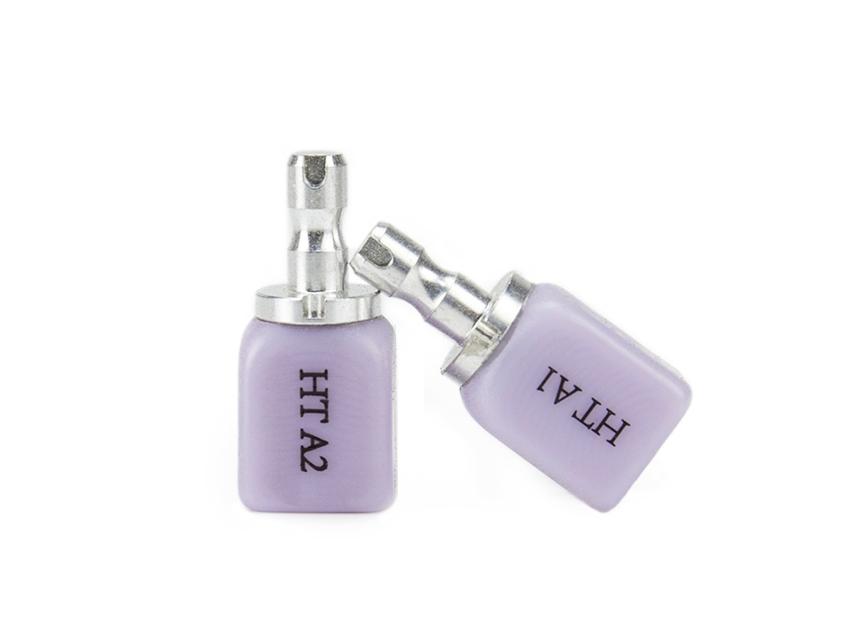
XANGTECH’s Contribution to Advanced Dental Materials
Who Is XANGTECH and What Sets Their Lithium Disilicate Blocks Apart?
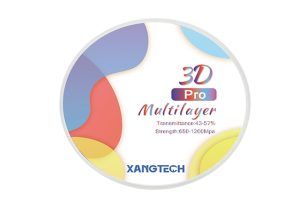
We’re XANGTECH – been making dental materials and equipment for over 11 years. XANGTECH lithium disilicate offers significant advantages for dental restorations, characterized by its high chemical stability and impressive bending strength, which contribute to the longevity and reliability of the final prosthesis.
Our blocks are built to mill clean, press easy, and look stunning every time.
What Are the Features of XANGTECH’s Lithium Disilicate Blocks?
Available in Multiple Translucency Levels (HT, LT)
You can pick High Translucency for front teeth that need to glow or Low Translucency when you want more masking and extra strength in the back.
Optimized for CAD/CAM Systems and Press Techniques
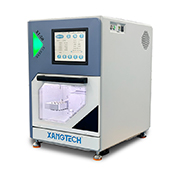
This material is highly conducive to milling, reducing wear on burs and extending their lifespan, thus optimizing operational efficiency. Whether you mill or press, the process is smooth and fast. Crystallization is simple and quick too.
Stable Shade Matching and Long-Term Color Retention
From an aesthetic perspective, lithium disilicate excels in delivering restorations with superior translucency and color matching, essential for achieving a high-quality, natural-looking finish. We cover the full VITA range plus bleach shades BL1–BL4. Colors stay put year after year.
FAQ
Q: What makes lithium disilicate crowns more aesthetic than other materials?
A: Lithium disilicate offers superior translucency that closely mimics natural enamel. This allows crowns to blend seamlessly with adjacent teeth, enhancing overall smile aesthetics.
Q: Can lithium disilicate crowns be used on back teeth as well as front teeth?
A: Yes. While they are often chosen for their esthetic benefits on front teeth, their high flexural strength also makes them suitable for posterior restorations under normal occlusal loads.
Q: How long do lithium disilicate crowns typically last?
A: With proper care and placement,, lithium disilicate crowns can last 10–15 years or more. Their durability is enhanced by strong adhesive bonding techniques.


