
What is the Functionality of a Zirconia Sintering Furnace?
What Is a Zirconia Sintering Furnace and How Does It Work?
A zirconia sintering furnace is a dedicated high-heat tool used in dental labs. It changes pre-cut zirconia into strong, fully packed dental pieces. Sintering is a heat process that joins powder materials into a solid form. This happens without fully melting them. For zirconia, the furnace raises the heat above 1400°C. It often goes up to 1650°C, based on the material’s needs.
In the sintering stage, the furnace first burns off organic binders during the early heating. Then, atomic movement removes gaps and starts particle joining. This packing process makes the zirconia tough and clear. Many newer furnaces have set heat cycles. These include steady speed increases, wait periods and cooling paths. They help keep every batch even and high-quality.
Why Is Sintering Important in Zirconia-Based Applications?
Sintering goes beyond simple heating. It is key to how well the final dental piece works. Zirconia shifts from a soft, cut blank to a very sturdy, glass-like block. This change is one of dentistry’s most vital steps today: sintering. Good sintering gives the best clarity, steady color and solid strength. Poor or wrong sintering can cause tiny breaks, color changes, or weak build.
The long high-heat stay sets the full-packed tetragonal crystal form. This form gives zirconia’s famous crack resistance through change toughening. So, sintering is essential for making lasting crowns, bridges and fake teeth. They meet both practical and visual needs.
Key Factors That Influence Sintering Efficiency
How Do Temperature Profiles Affect Sintering Results?
Good sintering relies on carefully set heat patterns. The speed of heat rise decides how quickly the furnace hits the top temperature. A too-fast climb can form a hard outer layer. But a too-slow one might make cycles last longer than needed.
A steady, slow heat increase is vital. It lets binders burn out fully without building inner stress or breaks. The wait at top heat makes sure packing happens all through the pieces. Too much heat can grow grains. This cuts clarity and makes things more breakable. Too little heat leaves joining unfinished and pieces weak.
Even heat spread in the chamber is crucial for steady batches. Multi-area heating tech, found in better furnaces, keeps temperatures level everywhere.
What Role Does Loading Configuration Play in Efficiency?
Right setup of the furnace chamber greatly shapes sintering results. Pieces need even spacing. This allows good air flow and equal heat reach. Filling the furnace too much or piling pieces badly can create heat unevenness. That leads to mixed results.
Using sintering trays or holders boosts steadiness in the cycle. They stop bending from weight or heat strain. A smart load setup not only raises quality. It also cuts energy use by filling the chamber well, without losing evenness.
Best Practices for Maximizing Furnace Performance
How Can You Optimize Energy Consumption Without Compromising Quality?
You can make sintering energy-saving with smart cycle setup and upkeep. Custom plans fit to the exact zirconia type. They skip extra energy waste. For instance, quick-sinter zirconia blocks might need shorter runs. Yet quality stays the same.
Keeping insulation good and door seals tight stops heat escape while running. Doing full loads, but not too packed, boosts energy save per item. It makes the most of each heat run’s work.
What Maintenance Practices Extend Furnace Lifespan?
Routine Cleaning and Inspection Protocols
Steady care keeps your zirconia sintering furnace working well and lasting longer. Clear out bits from heat parts and chamber walls often. This avoids dirt spread. Check heat sensors and coils for wear or harm now and then. It stops wrong readings or spotty heating.
Calibration and Software Updates
Set heat sensors to maker rules for exactness. Update firmware and control software to get the newest tools and fixes. This raises work flow. It also lengthens gear life by cutting run strain.
Common Operational Challenges and Troubleshooting Tips
Why Are My Restorations Showing Discoloration or Cracking After Sintering?
Color shifts often come from dirt in the furnace chamber. This can be leftover bits or poor cleaning. Dirty trays or holders can add to the problem.
Breaks usually arise from bad cooling steps or uneven heat spread. A managed cool-down avoids heat shock. That can bring tiny breaks. Even heat in heating and cooling is key to stop such flaws.
How Should I Respond to Inconsistent Heating Across Batches?
Diagnosing Thermal Imbalance Issues
Begin by checking how parts sit in the chamber. Blocked air from bad spacing or overfill can make hot and cool areas. If problems last over many runs, look at heat parts’ work.
Adjusting Cycle Parameters for Improved Uniformity
Tweak heat speeds or wait times from batch checks. This can better steadiness. Try test runs with heat sensors at chamber spots. They spot trouble areas and guide fixes.
Enhancing Workflow Integration with Your Zirconia Sintering Furnace
How Can Automation Improve Laboratory Throughput?
Auto tools like sound guides, auto size checks and online planning let labs handle tougher tasks with less hand work. Work boosts come from clear sound cues and auto denture size review. These use smart system steps to smooth flow and raise accuracy.
Online planning lets cycles run without watch overnight. This lifts output without more work time. With clever setups, sintering fits smoothly into your online work flow.
What Are the Benefits of Integrating Data Logging Features?
Data recording gives live tracking for each sintering run. Full data handling covers quick notes, saving and review for sintering info. It keeps tight quality watch and step tracking in making. Past views help spot trends or shifts that hurt quality control. You can fix early before big problems.
Introducing XANGTECH’s Zirconia Sintering Furnace Solutions
What Makes XANGTECH’s Zirconia Sintering Furnace Stand Out?
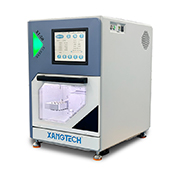
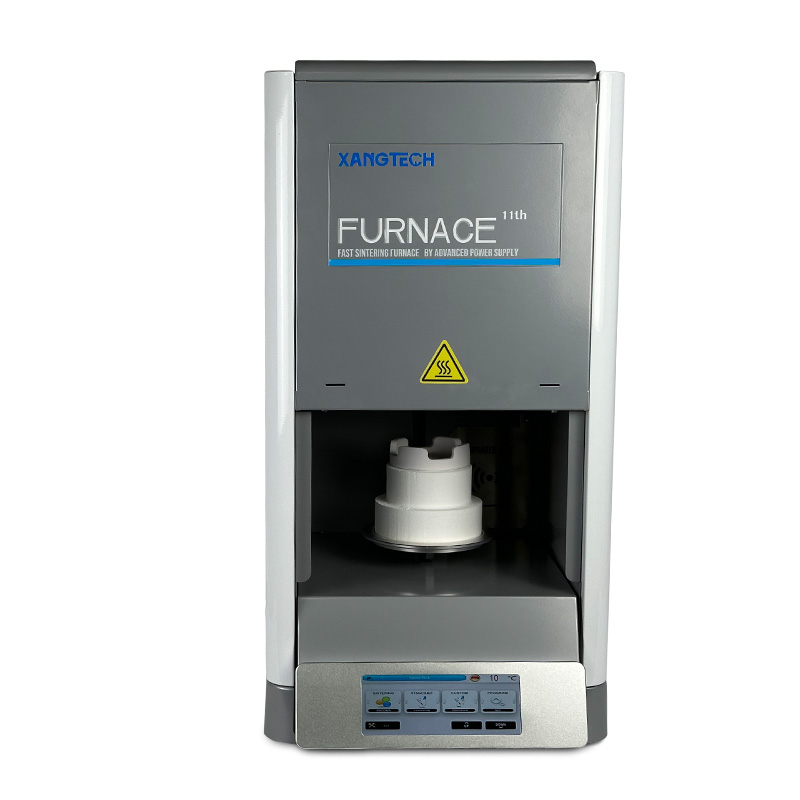
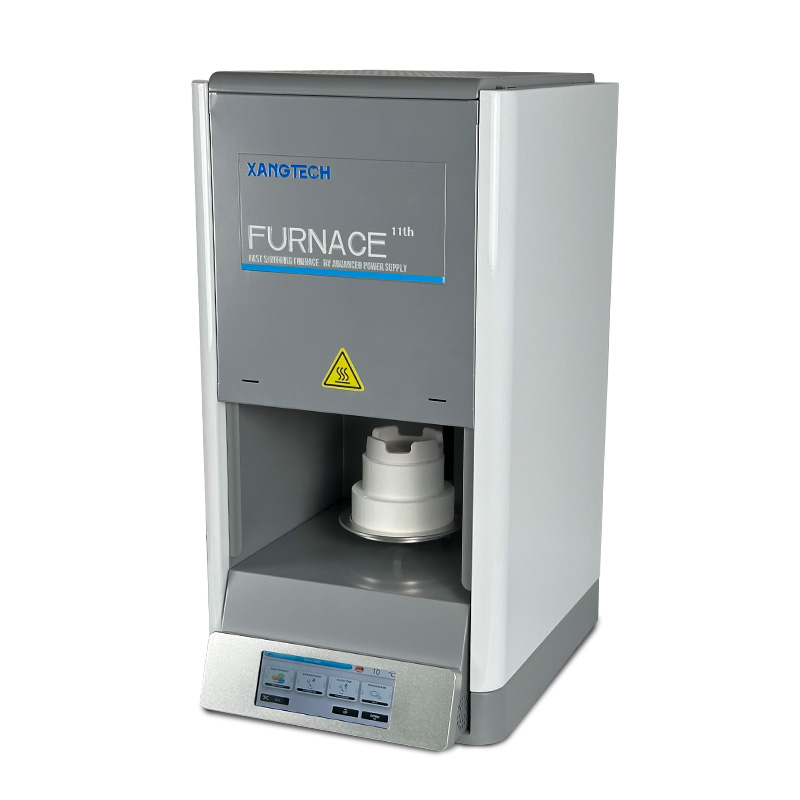
At XANGTECH, we provide exact-control zirconia sintering furnaces made just for dental use. Our sintering furnace is a base of accuracy and speed in today’s dental labs. It has a top heat of 1650℃. Plus, it heats up to 100℃/min for quick and spot-on sintering.
Our strong 32-bit Linux base allows easy software changes. Meanwhile, our multi-area heating keeps even heat over all pieces. It suits batch runs of up to 200 units at once.
Main tech points include a special zirconium block pre-dry setup. It cuts breaks in colored dentures. Thus, it ensures long life and keeps visual quality.
Why Choose XANGTECH for Your Dental Lab Needs?
Key Features of XANGTECH Zirconia Sintering Furnaces
- High-temperature capacity up to 1650°C with programmable profiles.
- Compact design suitable for small-to-medium dental labs.
- Energy-efficient operation with rapid cooling options.
- Voice-guided operation with automated program selection based on restoration size.
- USB-enabled data transfer for efficient documentation.
- Remote access capabilities for real-time monitoring and adjustment.
- Storage and analysis features for sintering history tracking.
Our goal is to give dental workers solid tools. They ease work flow and ensure top quality in every piece.
FAQ
Q: What temperature should I use to sinter zirconia properly?
A: Most zirconia materials require a peak temperature between 1450°C and 1550°C, depending on the manufacturer’s recommendations; always refer to the specific material guidelines.
Q: Can I sinter different types of zirconia together in one cycle?
A: It is not recommended unless their sintering profiles are identical; mixing different types may result in inconsistent outcomes due to varying thermal requirements.
Q: How long does a typical zirconia sintering cycle take?
A: A standard cycle ranges from 6 to 10 hours, including ramp-up, hold time at peak temperature and controlled cooling; fast-sinter options may reduce this time if supported by your furnace model and material specifications.


