
Why Is Milling Bur Technology Critical in Modern Dental CAD/CAM Systems?
In digital dentistry, accuracy starts right at the tool itself. Scanners, software, and milling machines often get the spotlight. Yet, the milling bur stays one of the key elements that shape restoration precision, surface finish, and workflow speed. A smartly crafted milling bur greatly impacts edge fit, inner adaptation, and cutting duration. Thus, it forms a vital base for today’s CAD/CAM setups.
Restorative materials keep advancing. They grow tougher, prettier, and trickier. So, the pressure on milling burs has risen a lot. Dental labs and practices now count on fine-tuned milling bur tech to get steady outcomes with various materials. It’s crucial to grasp the contrasts between flat end carbide burs and zirconia burs. This helps pick the best tool for every dental and lab task.
What Is a Milling Bur and How Does It Function in Dental Milling?
What Defines a Dental Milling Bur in CAD/CAM Applications?
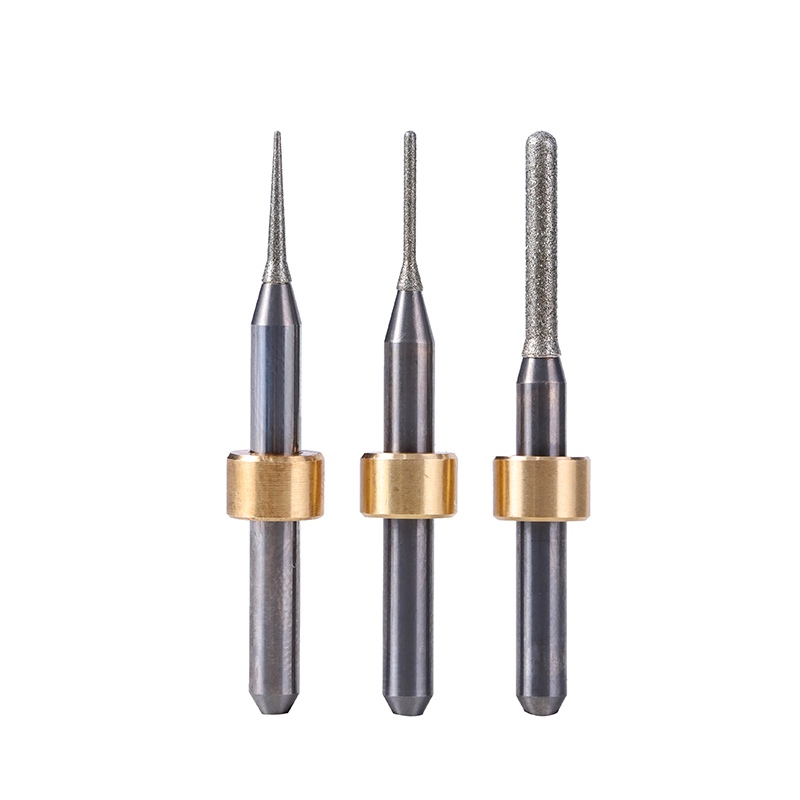
A milling bur serves as a spinning cutter built to form dental substances via subtractive methods. In CAD/CAM dentistry, these tools carve out prosthetics from solid blocks. They follow digital plans with great detail. The bur’s shape, edge layout, and build material all matter hugely. They decide cutting speed and the end product’s standard.
Dental milling burs usually fall into groups by head style. Options include flat end, ball end, or tapered types. Each style fits a certain job. Some handle rough cuts, others fine details, and some polishing. Picking the right milling bur boosts material removal. At the same time, it cuts down strain on the tool and the machine.
How Does Milling Bur Design Influence Milling Accuracy and Efficiency?
A milling bur‘s layout shapes how well and precisely the material comes away. For instance, flat end burs work great on flat areas and big chunks of stock. Finer shapes suit curved details better. Things like edge keenness, groove pattern, and bur strength affect shake control, warmth buildup, and wear over time.
A well-thought-out milling bur layout cuts down on errors in the process. It boosts surface evenness and speeds up production. These perks mean fewer do-overs, cheaper runs, and steadier outcomes for all kinds of prosthetics.
How Do Flat End Carbide Burs Perform in Dental Milling Applications?
Why Are Flat End Carbide Milling Burs Widely Used?
Flat end carbide milling burs see broad use thanks to their flexibility and quick action in initial roughing phases. Their level edges enable fast stock removal. This makes them perfect for forming temporary prosthetics, PMMA blocks, wax, and some resin blends. Carbide offers solid toughness and steady cuts. So, it shines in fast-paced milling setups.
Labs often pick these in setups where pace and budget matter most. They strip away material swiftly. Yet, they keep decent accuracy. That’s why they’re a must-have in plenty of dental workshops.
What Are the Strengths and Limitations of Flat End Carbide Burs?
The main plus of flat end carbide milling burs is their speed. They excel in rough tasks and can slash total cutting time. But their staying power might falter on super-hard stuff. For fully fired zirconia, wear builds up fast.
Therefore, flat end carbide burs fit best for gentler materials and starting steps. For tough ceramics and exact finishing, other bur styles often work better.
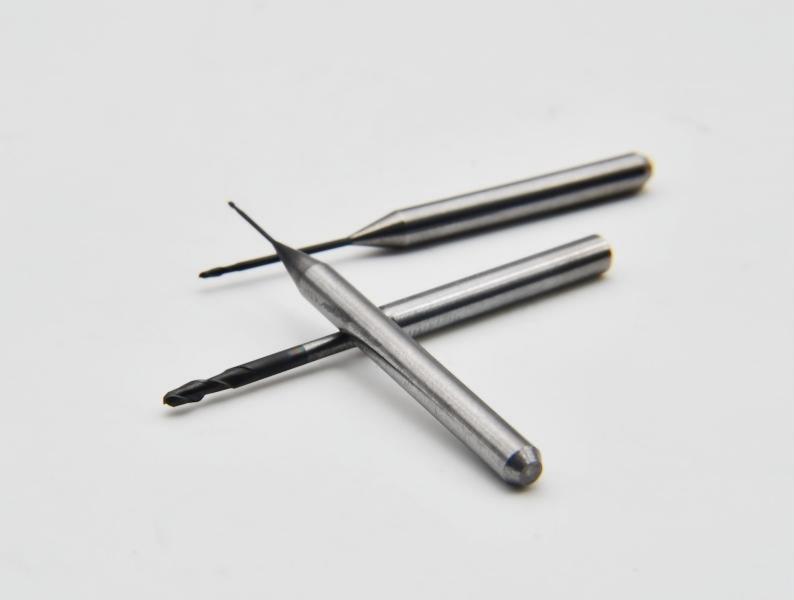
How Do Zirconia Burs Compare When Milling High-Strength Materials?
Why Are Zirconia Milling Burs Essential for Zirconia Restorations?
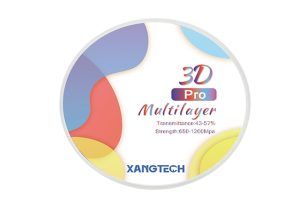
Zirconia ranks among the toughest substances in dental prosthetics. It needs special milling burs for exact, unharmed outcomes. Zirconia milling burs boast extra toughness and wear-proof qualities. These let them handle the rigors of cutting strong ceramics.
Such burs hold steady under heavy pressure. This ensures sharp edges and inner shapes. Their build also curbs chips and tiny cracks. Those issues matter a lot for strong, good-looking zirconia work.
How Do Zirconia Burs Affect Surface Quality and Tool Longevity?
Against regular carbide cutters, zirconia milling burs yield better surface polish on hard ceramics. Their tuned edges lessen shakes and heat. As a result, finishes come out smoother. This cuts down on extra cleanup.
Plus, these burs get built for longer use. Their wear resistance keeps cuts even across many runs. That boosts ongoing speed and budget savings.
What Key Factors Should Be Considered When Choosing a Milling Bur?
How Does Material Compatibility Influence Milling Bur Selection?
Matching the material stands as a top concern in picking a milling bur. Various dental substances—like PMMA, wax, composites and zirconia—demand different things from cutters. A mismatch can cause early breakdown, rough finishes, or even failed prosthetics.
Pairing the milling bur to the material guarantees top cutting action. It also safeguards the tool and machine. This smart choice lifts precision and extends bur lifespan.
Why Do Bur Geometry and Coating Matter in Milling Performance?
Bur shape decides how well stock gets taken off. Coatings, meanwhile, boost lasting power and cut steadiness. Modern layers lower rub, aid heat release, and fight wear. These traits prove vital in detailed dental cutting, where reliability counts.
Opting for the right shape and layer on a milling bur smooths the whole process. It also raises prosthetic standards.
Introducing XANGTECH Milling Bur Solutions for Dental CAD/CAM
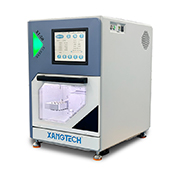
At XANGTECH, we craft milling burs with a sharp eye on detail, toughness, and fit for current dental CAD/CAM flows. Our aim is to supply dependable cutters that aid quick making while upholding top prosthetic levels.
We provide a full lineup of milling bur options. This includes carbide burs and zirconia milling burs. Each gets tailored to handle certain materials and uses. We use prime tungsten carbide and cutting-edge layers. This ensures even action and extended run time.
Our milling burs blend easily into many dental milling setups. Labs and clinics can add them to current routines without hassle. With tight checks and steady tweaks, every milling bur we make fits the needs of today’s digital dental work.
How Can Proper Milling Bur Selection Improve Workflow Efficiency?
Selecting the right milling bur straightly boosts workflow speed. Good picks cut extra swaps, lower mistakes in cutting, and trim down times. This leads to quicker finishes and better output. It’s especially true in busy lab settings.
At XANGTECH, we see tuned milling bur plans as central to steady, growing results. By linking tool choices to material traits and cutting phases, dental pros can lift both standards and speed.
What Future Trends Are Shaping Milling Bur Technology in Dentistry?
Milling bur tech’s path links closely to gains in dental substances and digital building. As prosthetics get sturdier and more involved, milling burs need to step up for better marks. Shifts like better layers, sharper shapes, and longer runs define the coming wave of dental milling burs.
On top of that, rising auto-features and detail needs in CAD/CAM flows push for tools that give sure outcomes with little hands-on work. Milling bur tech will keep holding a main spot in backing these changes.
FAQ
Q: What is the difference between flat end carbide and zirconia milling burs?
A: Flat end carbide milling burs typically handle rough cuts and softer substances. Zirconia milling burs suit high-strength ceramics and exact finishing jobs.
Q: How often should a dental milling bur be replaced?
A: Swap timing hinges on substance toughness, cut length, and setup conditions. Regular checks on wear aid steady precision and milling standards.
Q: Can one milling bur be used for multiple dental materials?
A: Some milling burs manage various substances. But best results come from picking ones made just for each type.


