

What Is PMMA and Why Is It Used in Dentures?
What Exactly Is PMMA?
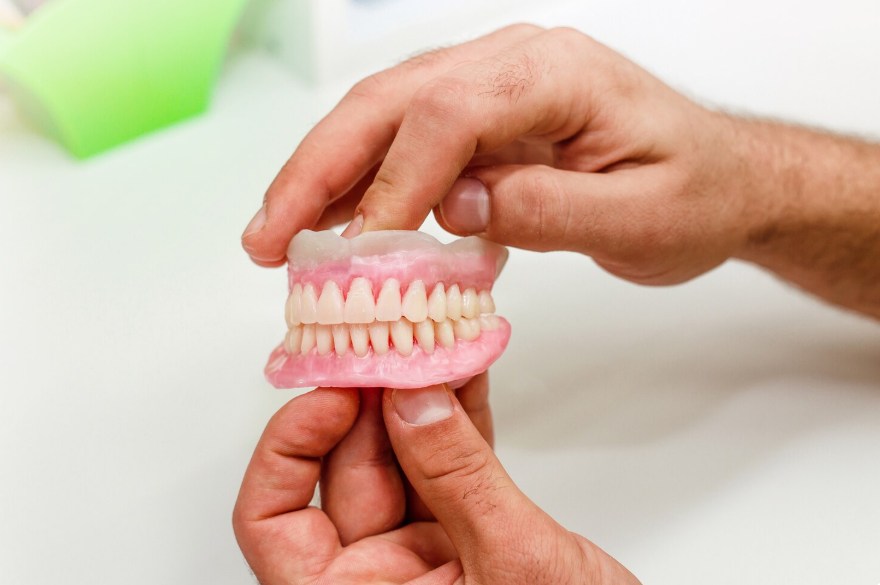
PMMA stands for polymethyl methacrylate. It is a kind of artificial acrylic resin. This resin is recognized for its flexibility and reliability. One of its main qualities is that it is not heavy, see-through, and straightforward to form into different shapes. Such traits position it as a great option for dental purposes.
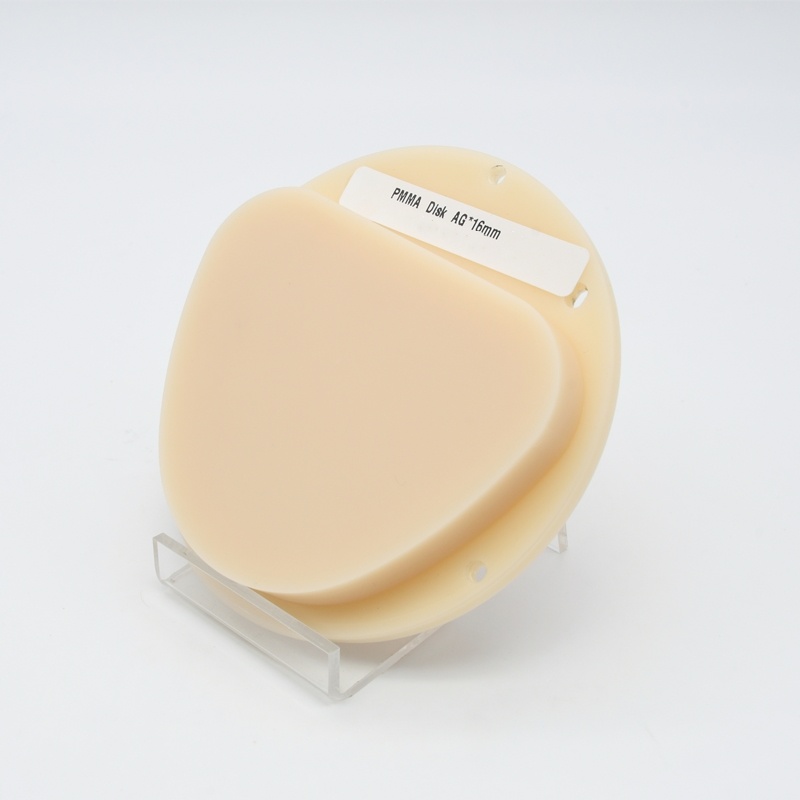
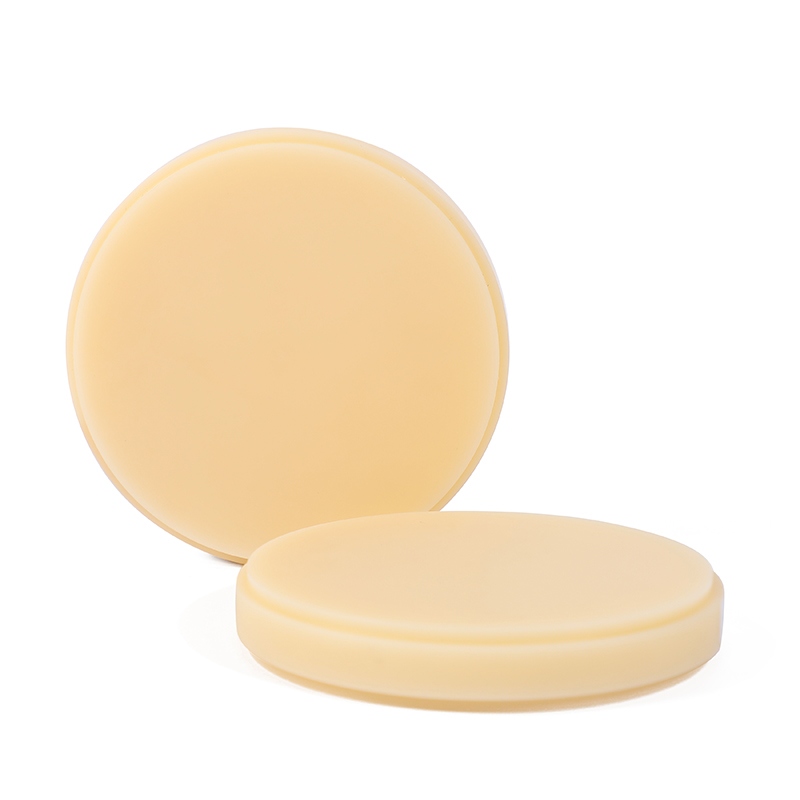
In dentistry, PMMA typically comes as discs or blocks. These are employed to make dentures and other replacement devices.
Why Do Dentists Prefer PMMA for Dentures?
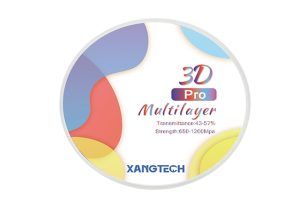
Dentists like PMMA since it closely copies the real look of gum tissue. This holds especially true with pink-colored varieties. XANGTECH 3st Pink PMMA Disc with Veins is a dedicated pink polymethyl methacrylate (PMMA) substance. It is made for dental fixes. Such a true-to-life style renders dentures more eye-catching and lifelike.
One more important plus is its compatibility with the body. Its solid biocompatibility keeps it safe and harmless. It can stay in the mouth over extended times. PMMA can be worn securely in the mouth for long durations. It avoids causing rashes or allergic responses. Moreover, it permits exact adjustments. This guarantees a secure and cozy match for every single patient.
How Does PMMA Improve Denture Hardness?
What Makes PMMA Dentures More Durable?
Strength is key for dentures. PMMA meets this need well. Its molecular setup offers strong defense against abrasion and force. XANGTECH Amann Girrbach Monolayer PMMA Disc features top-notch workability and material characteristics. Our discs possess a Shore hardness level of 85–90. They deliver sturdy shielding from routine pressures and physical loads.
To boost toughness further, the substance can be strengthened with supplements or treated via modern cutting methods. The material makeup is adjusted to cut down on tool damage in the cutting process. This action not only prolongs the service life of cutting instruments. It also lowers running expenses and refuse.
Can Hardness Affect Comfort or Fit?
Greater hardness may seem to cut down on ease. Yet, the reality differs for nicely built PMMA dentures. A solid but properly shaped denture fights off warping. As a result, it stops splits or fractures. These could otherwise cause painful areas or annoyance.
Appropriate construction makes certain that ease is not sacrificed for extra power. Our PMMA blocks are thoughtfully built for both coziness and lasting quality. They supply patients with enduring answers that suit perfectly.
How Does PMMA Enhance Impact Strength in Dentures?
What Happens When You Drop a Denture Made of PMMA?
Dropping dentures occurs frequently. This is particularly so during washing. Thankfully, PMMA includes inherent cushioning features. Its elevated break resistance and firm build enable it to endure the physical demands of the mouth area.
This resistance to blows indicates that even when fallen from a fair distance, dentures made from PMMA are unlikely to split or shatter. This is in comparison to alternative materials.
Why Is Impact Strength Important for Everyday Use?
Dentures must handle regular manipulation. This involves removing them, washing them and inserting them again. Strong blow resistance lengthens the service period of dentures. It extends beyond mere toughness. It offers mental ease. Patients can proceed with their habits. They know their dentures can manage some harsh handling. They will not disintegrate.
Are There Any Downsides to Using PMMA in Dentures?
Is There Anything Users Should Be Aware Of?
As with every material, PMMA has certain drawbacks. With passing time, marks on the surface might develop. These do not always hinder operation. But they can lessen the luster or hold germs if not washed correctly.
The disc’s minimal uptake of water and defense against discoloration add to its extended life. This assures that fixes keep their visual charm during their full usage span. Nevertheless, regular care remains crucial to preserve their fine appearance.
How Can You Take Care of Your PMMA Dentures?
Daily Maintenance Tips:
- Rinse your dentures after every meal to remove leftover food particles.
- Use a soft toothbrush and a non-abrasive cleaner daily to maintain clarity and hygiene.
Storage Advice:
- Always keep dentures in clean water when not in use to prevent drying out.
- Never use hot water, as it can warp the material.
Who Is XANGTECH and What Makes Their PMMA Blocks Special?
What Does XANGTECH Offer for Dental Professionals?
With 11 years of experience, Nanyang Liandong Biotechnology Co., Ltd. focuses on dental laboratory materials and equipment, including zirconia blocks, glass ceramics, PMMA discs, milling burs and dental 3D scanners.
Our PMMA blocks are made especially for CAD/CAM dental systems. They generate crowns, bridges, temporary prosthetics and denture bases. These align with the utmost medical benchmarks.
Why Choose XANGTECH’s PMMA Blocks?
Key Features:
- Excellent hardness and impact resistance tailored for long-term use.
- Smooth milling performance ensures precision during fabrication.
- Available in multiple shades to match natural gum tones.
Benefits for Labs and Patients:
- Consistent quality helps dental labs produce reliable dentures.
- Patients enjoy comfortable, durable prosthetics with a natural look.
Our commitment is to deliver high-quality dental materials that bring value both to labs and patients across the globe.
FAQ
Q: Are PMMA dentures better than traditional acrylic ones?
A: Yes, many modern dentures made with high-grade PMMA offer improved durability, aesthetics and comfort compared to older acrylic models.
Q: Can I eat all types of food with my PMMA dentures?
A: While you should avoid very hard or sticky foods, most everyday foods are safe with properly fitted PMMA dentures.
Q: Can I get allergic reactions from wearing PMMA dentures?
A: PMMA is generally biocompatible; allergic reactions are rare but possible in individuals with specific sensitivities—consult your dentist if you experience discomfort.


