
What Determines the Lifespan of a CAD CAM Milling Bur?
Key Factors Influencing Durability
The durability of a CAD CAM milling bur mainly depends on its material makeup and working conditions. Burs crafted from tough tungsten carbide or diamond-covered options show better resistance to wear. This shows how the hardness of the material directly affects the lifespan of dental CAD CAM milling burs.
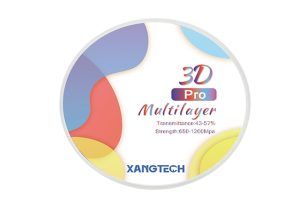
Settings for milling, like spindle speed, feed rate, and coolant use, play a big part in tool wear. High cutting speeds or poor lubrication can create heat. This heat speeds up the dulling of edges. The kind of material being cut also matters a lot. For example, zirconia’s thickness leads to quicker tool breakdown than PMMA or wax. Monolayer PMMA Discs give great resistance to rubbing. This helps their lasting power and strength in the mouth. Softer items like these lengthen milling bur life. They do this by cutting down on rubbing wear.
Keeping the machine well-tuned and cared for is just as key. A properly set dental milling machine makes sure the tool lines up correctly. This cuts down on shaking and uneven wear on the cutting parts. Regular upkeep of the machine keeps steady work over the bur’s full use time.
How Milling Conditions Affect Bur Longevity
Conditions during milling directly shape how long a bur stays useful. Fast spindle speeds paired with strong feed rates cause more rounding on edges. They also lead to tiny cracks at the cutting points. Good cooling setups help by spreading heat well. This stops tiredness from the heat.
Cleanliness inside the milling area also sets durability. Buildup of bits on the burs can block chip removal. This makes friction that speeds up tool wear. Cleaning often after use stops leftover bits from piling up. Such a buildup could dull cutting areas too soon. In exact spots like dental labs, keeping good coolant flow and clean work areas is vital. It helps keep both accuracy and output in the dental milling burs market.
How to Identify Wear Signs in CAD CAM Milling Burs
What Are the Common Indicators of Tool Wear?
Spotting early wear signs stops expensive redoing or harm to the gear. Blunt or smoothed edges often make rougher surfaces on fixes. These need extra smoothing. More shaking or sound during work can point to an imbalance. This comes from uneven wear on the bur end.
A longer time for the same jobs also shows less efficiency. When a task takes more time than normal, even with the same settings, it means the cutting edges have lost sharpness. Or, the coating strength has weakened.
Visual and Performance-Based Inspection Methods
Looking closely with a magnifier lets techs spot chips or small breaks at the bur’s end. These are usual signs before full breaks. Comparing finishes on new and used burs gives clues about how performance drops over time.
Watching machine load info gives another way to check. Sudden jumps in power might show too much friction from worn tools. By using steady check routines, dental workers ensure even quality in all fixes. They also plan bur changes better for their zirconia milling burs.
When Should You Replace a CAD CAM Milling Bur?
Recommended Replacement Intervals Based on Use
In good setups, a usual CAD CAM milling bur for zirconia can handle about 100 to 150 pieces before needing a swap. Softer stuff like PMMA or wax allows longer use. They put less strain on cutting parts. To guess swap time right, labs should note hours of work and types of material cut.
Roland zirconia milling burs are top-notch tools with very strong wear resistance. A DLC-coated bur can cut 150 to 200 units of zirconia crowns. This proves how coating tech boosts lifespan a lot. It works when used in managed settings.
Consequences of Delaying Replacement
Putting off a swap hurts fix accuracy. It raises the need for redoing because of wrong cuts or bad surface looks. Overused tools make too much shaking. This can harm spindles or holders in dental machines. Also, worn burs create uneven edges. These affect fit and looks. Both are key to fixing dentistry. Here, exactness decides if it works well.
How to Extend the Service Life of Your CAD CAM Milling Bur
Best Practices for Maintenance and Handling
Right handling stretches bur life a good deal. Keeping tools in clean, dry spots stops rust. It also cuts the risk of dirt during setup. Do not drop or handle roughly when putting in. Even small hits can make tiny cracks. These lead to early breakdowns.
Cleaning after each use with the right cleaners or sound wave tools removes leftover dust. This stops bits from messing up later work. Keeping these ways ensures steady work over many runs in pro labs that use dental CAD CAM milling burs.
Optimizing Milling Parameters for Longevity
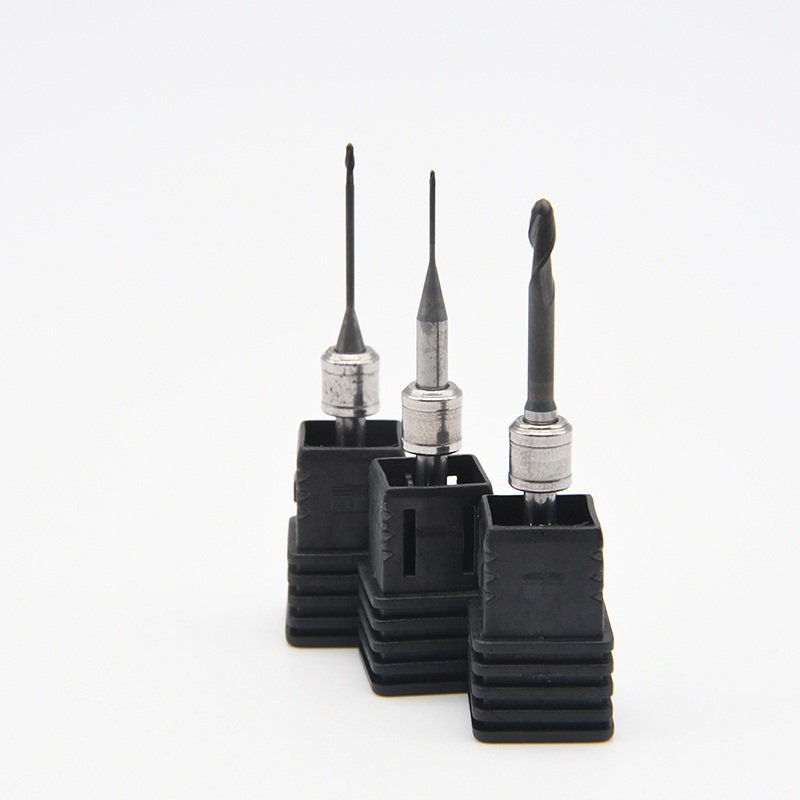
Changing feed rates based on material toughness stops overload. It keeps cutting well without waste. For hard ceramics like zirconia, slower feeds cut down on edge chips. They do this without losing exactness. Enough coolant flow lessens heat strain during long jobs. This is key to keeping the coating stuck on diamond-covered tools.
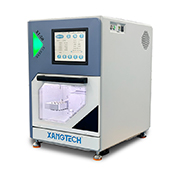
Planning regular gear upkeep makes sure the spindle lineup stays spot-on through work rounds. XANGTECH RX-8H metal milling machine mixes many main jobs. These include dynamic suction, water cooling system, cutting oil flow, and air pressure. Such full setups show how smart builds help keep tools safe. They do this through steady surroundings during cutting.
XANGTECH CAD CAM Milling Burs: Precision and Reliability Combined
Why Choose XANGTECH Burs?
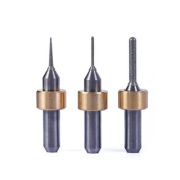
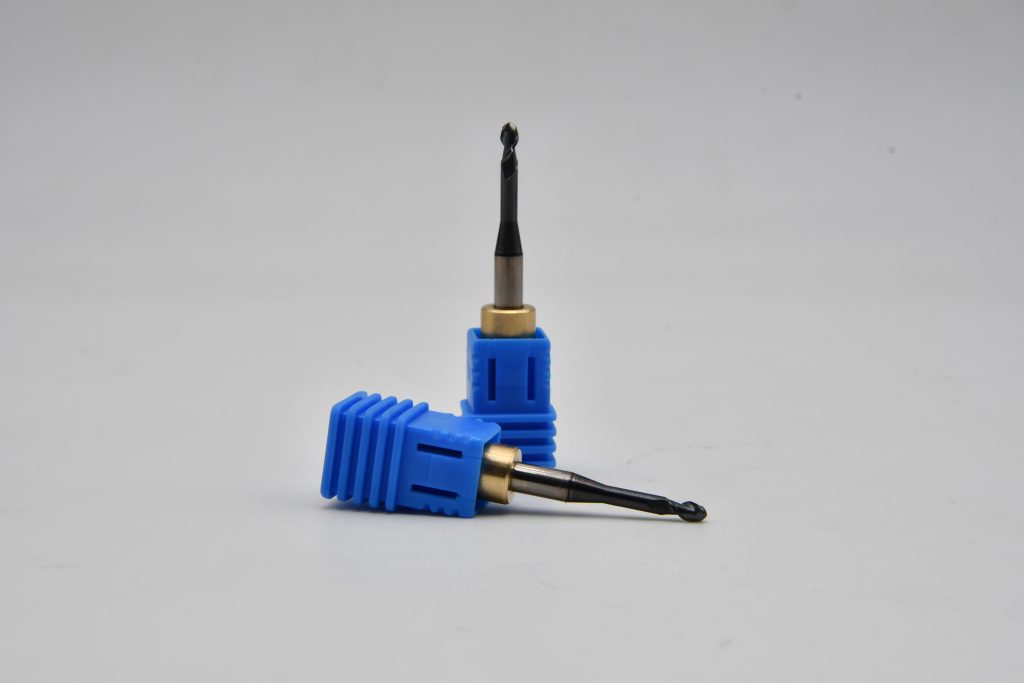
At XANGTECH, we focus on making advanced dental CAD CAM milling burs for exact work in today’s digital dental flows. Our items use top carbide bases with tuned shapes. These promise even cutting across different materials like zirconia, PMMA, wax, and mixed ceramics.
Every bur goes through tight quality checks before sending out. This makes sure sizes match and long trust in clinic spots around the world. XANGTECH shows our drive for top work through ongoing new ideas in design and making standards.
We add smart coating tech like DC/DLC layers. These boost toughness while cutting drag from friction during work. This stretches the use time much more than plain uncoated choices in the dental milling burs market.
Product Range Overview from XANGTECH
Zirconia Milling Burs Series
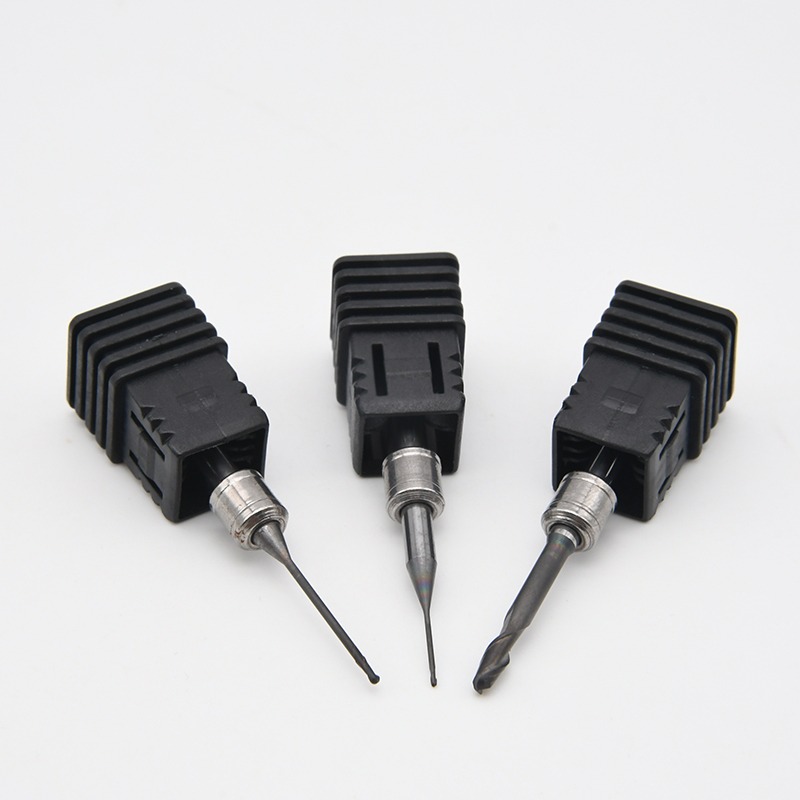
Our zirconia line is made just for thick ceramics. Here, lasting under steady loads is key. Amann Girrbach zirconia milling bur uses diamond coating or diamond-like carbon. This gives it great hardness, wear resistance, and rust resistance. It handles strong materials well.
PMMA/Wax Milling Burs Series
These types give quick cutting with low pull. They suit temp fixes using soft plastics like PMMA discs or wax blocks. This lengthens spindle life and saves on costs through less strain per round.
Diamond-Coated Burs Series
Built for very fine finish jobs that need top surface evenness and size accuracy across tricky shapes in pretty fixes.
By mixing solid build ideas with our wide know-how in helping labs worldwide, we offer trusty fixes made for each step of digital making. This goes from rough forming to the last shine. It ensures better results every time our XANGTECH products are used.
FAQ
Q: How long does a typical CAD CAM milling bur last?
A: The usual lifespan changes from 100 to 150 units. It depends on the material kind, machine setups, and care ways when doing zirconia fixes in the best conditions.
Q: Can I sharpen a worn CAD CAM milling bur instead of replacing it?
A: Sharpening is not advised in general. It changes the exact shape. Swapping keeps steady accuracy in all made fixes using our XANGTECH dental CAD CAM milling burs.
Q: What causes premature wear in a new milling bur?
A: Wrong tuning, too high feed rates, no coolant flow check, or dirt during keeping can all cut tool life short. This stresses the need for the right setup in pro lab spots using XANGTECH answers.


