
What Is CAD/CAM Milling and How Does It Improve Digital Dentistry?
How CAD/CAM Technology Transforms the Milling Process
CAD/CAM milling represents a major change in digital dentistry. It combines computer-aided design (CAD) with computer-aided manufacturing (CAM). This blend lets dental experts create digital plans for restorations. Then, they make them with great accuracy using automatic milling devices.
The pairing of CAD and CAM provides exactness, reliability, and speed in making dental prosthetics like crowns, bridges, veneers, and implant abutments. Automation in the process cuts down human mistakes a lot. It also shortens the time needed for production.
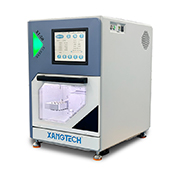
In today’s dental labs, fast milling machines with multi-axis tech are key for handling tricky shapes. The XANGTECH dental RX-8H milling machine shines as a top choice in the dental field. It fits the tough needs of both chairside and lab settings. This modern device shows how CAD/CAM tech changes the old milling method. It allows wide-angle exact grinding. Plus, it processes several materials at once.
Digital methods also boost talks between dentists and techs. Data moves smoothly from mouth scanners to CAD programs and then to milling tools. As a result, restorations get planned and built in hours, not days. This smooth way raises patient happiness. At the same time, it keeps strong quality levels in every production step.
Why Milling Burs Are Essential in a CAD/CAM Workflow
Milling burs form the core of any CAD/CAM setup. These tiny yet strong tools decide the exactness, surface smoothness, and final quality of milled restorations. In the expanding dental milling burs market, new ideas center on better tool life and fit with materials. A smartly made bur gives the best cutting results. It also limits damage to both the tool and the material.
Each bur kind—whether for zirconia, PMMA, wax, or titanium—features unique shapes that affect cutting actions. Picking the correct bur boosts speed by cutting down chips or tiny breaks in restorations. Wieland milling burs use tough tungsten steel material. They deliver fine quality and detailed outcomes for milling crowns. These burs work well in various dental labs with different materials. This example shows how good bur makeup adds straight to exact results.
Besides, steady care lengthens tool life. Routine checks after every use stop blunt edges. Such edges might harm accuracy or cause excess heat in milling. As a piece of a full CAD/CAM milling process, burs serve as exact tools and cost-saving parts. They ensure steady outcomes while keeping work smooth.
Exploring CAD/CAM Milling Burs in Detail
What Materials Can Be Processed with CAD/CAM Milling Burs?
Today’s dental CAD/CAM milling burs are built to deal with many materials. These include zirconia, PMMA, wax, titanium, composite resins, and glass ceramics too. Designs for specific materials ensure top cutting speed by fitting bur shape to hardness. For instance, zirconia needs burs coated with diamond for even surface ends without small cracks.
Roland zirconia milling burs aid dental workers in making top-notch dental restorations. They offer great cutting power, lasting strength, and high exactness. Their diamond-like carbon layers let them mill many zirconia crowns before needing a swap. This shows the lasting quality vital in current cam dental milling places.
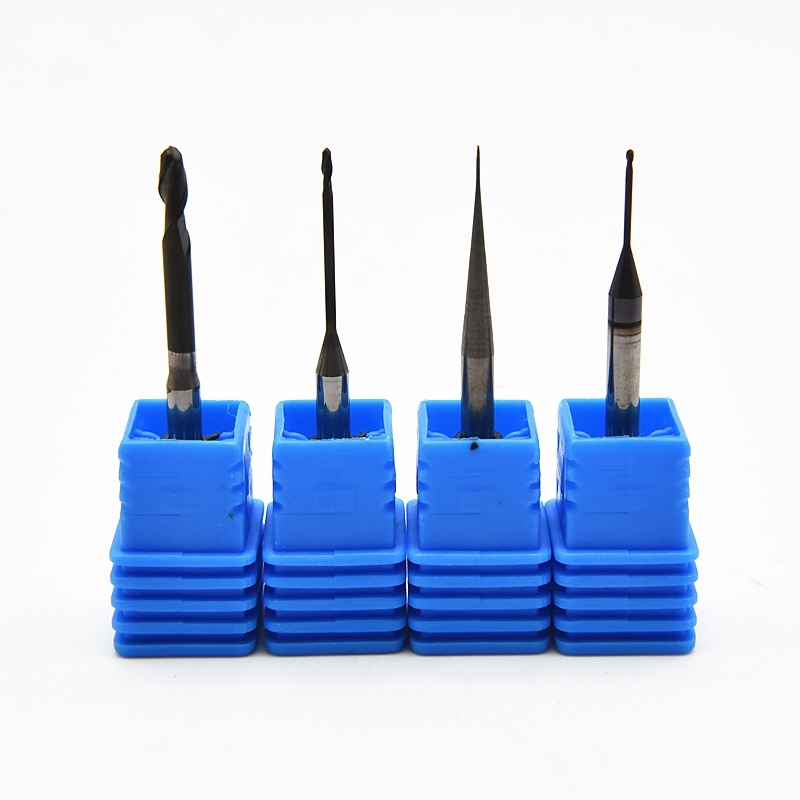
Using the right burs lowers chipping at edges. It also betters the overall fit of restorations. For softer items like PMMA or wax in temp restorations or model stages, special carbide burs make clean slices without bending. Fitting tools exactly to material traits ensures steady work through production rounds.
How to Choose the Right CAD/CAM Milling Bur for Your System?
Choosing matching burs means knowing your machine’s spindle speed, cooling style (air or wet), and needed exact level. Every system has its own details on shank width, head size, coating kind (DC/DLC), and spin speed limit.
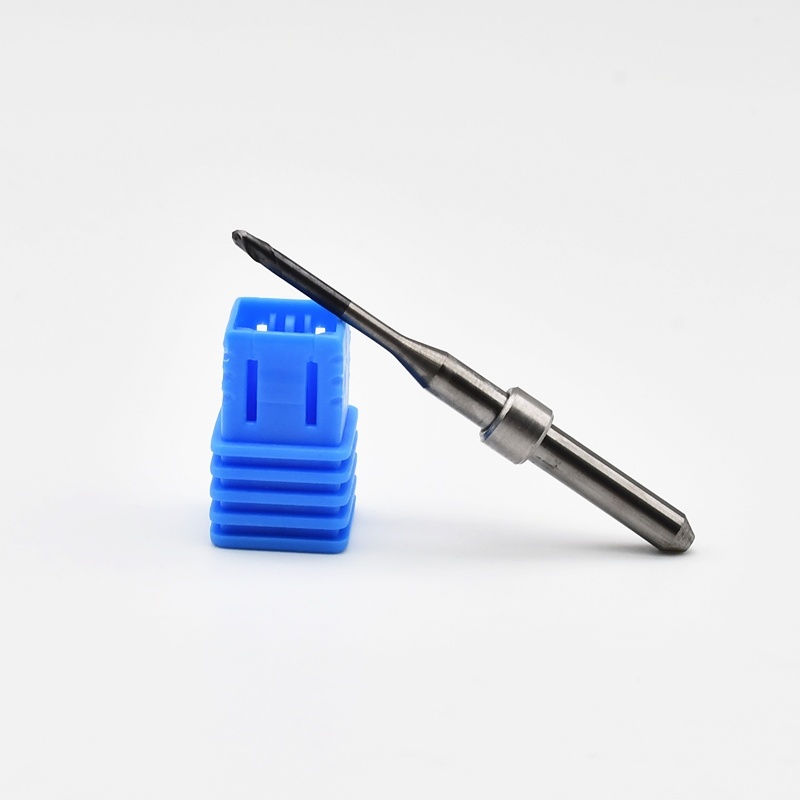
XANGTECH Amann Girrbach zirconia milling bur applies diamond coating or diamond-like carbon. This gives it strong hardness, resistance to wear, and protection from rust. So, it can manage tough materials well. Fitting these details ensures full match between machine parts and tool work.
Usual calibration helps keep steady results too. Frequent cleaning stops dirt buildup. That buildup might twist tool paths or harm cooling work. Labs ought to set check plans based on use hours, not set dates. This way, they improve cost savings in their dental CAD/CAM milling burs market tasks.
Enhancing Your Digital Milling Workflow with Smart Bur Management
Why Does Bur Maintenance Matter for Precision Results?
Bur care affects restoration exactness directly. Blunt or harmed tools create rougher surfaces. These need more after-polish time. Following use cycles lets labs plan swaps in time. This happens before clear wear hurts quality work.
Cleaning after each use clears leftover bits from materials. Examples include zirconia dust or PMMA bits. These might mess up later cuts. Well-kept burs hold this even smoothness over periods.
Digital follow systems in new software can log use stats on their own. They give early care warnings. This stops surprise stops in key production times.
How Can You Optimize Bur Lifespan Without Compromising Quality?
To lengthen life without losing exactness:
- Make sure enough coolant flows in wet milling jobs.
- Keep tools in safe holders far from dampness.
- Switch sets based on real wear checks, not random plans.
These steps keep edges sharp. They also block dirt that might cause early blunting or rust. In big labs in the burs for CAD/CAM systems field part, smart handling turns into lower running costs per made unit.
Integrating CAD/CAM Milling Burs into a Complete Digital Workflow
How Do Milling Burs Affect Restoration Accuracy?
Sharp burs make smoother surfaces. These need less hand finishing. This matters a lot in making multi-unit bridges or implant frames where fit limits are strict. Steady shape promises expected fits over various groups.
VHF’s milling cutter build stresses high exactness and quick cutting. It uses fine materials (like diamond coating) and has tuned shapes. This keeps it sharp in fast and heavy milling. It shows how advanced tool making aids better outcomes in linked digital processes.
Exact tools not only better surface ends but also secure right inner fit between restoration parts. This cuts down chairside tweak time after delivery.
Streamlining Production from Design to Finish Using Advanced Tools
Smooth link between design software (CAD) and making hardware (CAM) is basic for speed gains. Auto calibration in new machines promises repeated exactness over many runs.
XANGTECH XT 50 milling machine fits the hard needs of modern dental labs. It boosts both output and exactness to the max. Its power-off resume feature shows how clever automation cuts breaks. At the same time, it raises flow speed. Link with 3D scan systems sharpens the shift from digital to real accuracy more. This betters full process trust from beginning to end.
XANGTECH: Innovating High‑Performance CAD/CAM Milling Burs for Modern Dentistry
What Makes XANGTECH’s CAD/CAM Milling Burs Stand Out?
En XANGTECH, we focus on creating advanced milling burs built for strength and exactness on all main CAD/CAM milling setups. Our items mix world-class tungsten carbide from Sweden and Germany with top coatings like DLC or DC. This gives long life under steady run conditions.
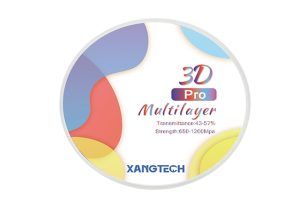
XANGTECH Amann Girrbach zirconia milling burs go through strict quality tests. This makes sure each bur hits high standards. Each type backs many material kinds. These include zirconia blocks, PMMA discs, titanium alloys, wax blocks, and composite resins in repair flows.
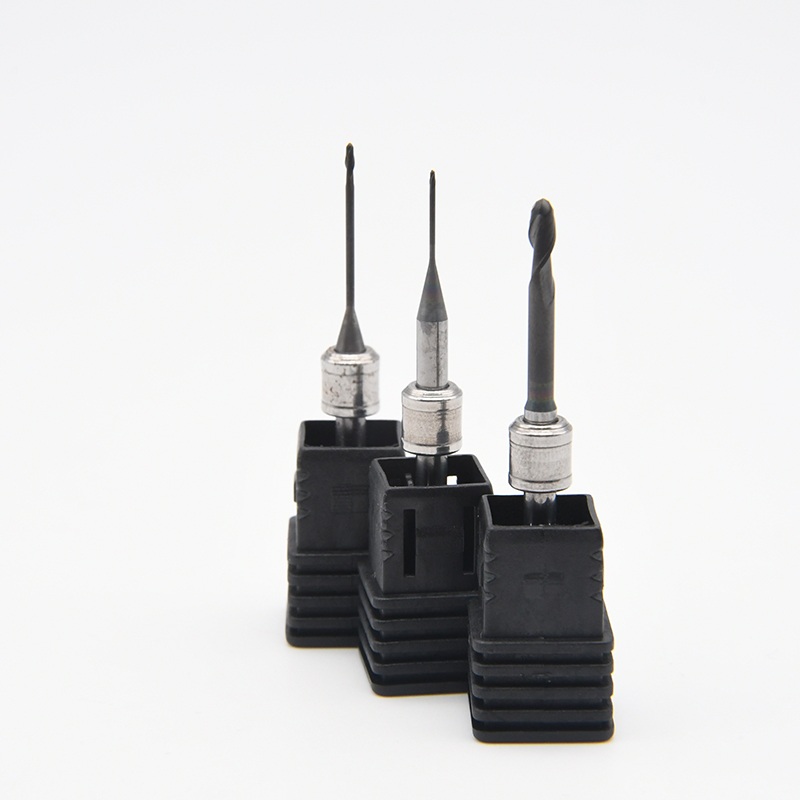
Our stress on fit ensures easy link into open system spots. These are common in labs around the world in the changing dental CAD/CAM milling burs market area.
How XANGTECH Supports Dental Professionals in Digital Manufacturing
We give full tech advice on bur pick plans fit for varied uses. Every group faces tough checks matched to world tolerance rules. This guarantees steady item quality with wide test steps. Besides items, we offer net-based help for no-stop runs through warranty times.
Preguntas frecuentes
Q: How often should I replace my CAD/CAM milling burs?
A: Steady swap relies on use rate, handled material kind, and machine speed. It usually happens after 8–10 hours of active work or once clear edge wear shows in check rounds in your cam dental milling setup.
Q: Can one type of bur be used for all dental materials?
A: No. Each base needs shape tweaks plus coating changes tuned to its build traits. Wrong tools risk bad surface ends or early breaks. This harms restoration fit exactness in burs for cad/cam systems applications.
Q: What are signs my milling bur needs maintenance or replacement?
A: Signs cover higher noise in run cycles, times longer than normal process lengths, rougher surface ends after milling, and clear chips at tip edges. All point to quick checks before more use in your dental CAD/CAM milling burs process place.







 Spanish
  English
  Russian
  Italian
  French
  Japanese
  Portuguese
  Arabic