
L'importance des borses de fraisage dentaire
Qu'est-ce que les burses de fraisage dentaire?
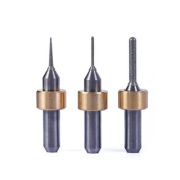
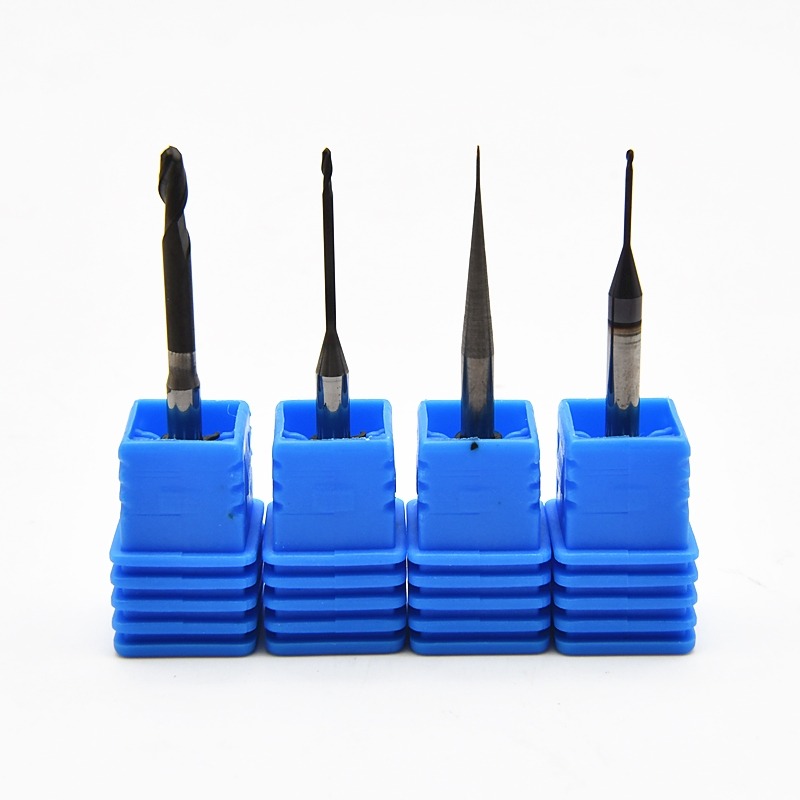
Les borses de fraisage dentaire sont des instruments rotatifs finement conçus pour former et polir des prothèses dentaires telles que des couronnes, des ponts et des incrustations. Ils jouent un rôle essentiel dans les configurations de conception et de fabrication assistées par ordinateur (CAD/CAM). Ces outils transforment les dessins numériques en restaurations exactes. Leur travail principal est de trancher, sculpter et lisser des matériaux tels que la zirconie, le PMMA, la cire ou le métal avec une précision exceptionnelle.
Les borses de fraisage CEREC 3 fonctionnent bien pour les restaurations en cabinet dans les cabinets dentaires. Ils se concentrent sur l'intégration sans heurt du système et la manipulation simple. Ces instruments proviennent généralement de matériaux durs comme le carbure de tungstène ou les métaux revêtus de diamants. Ce choix garantit une résistance durable et une coupe efficace. Borses de fraisage Wieland utiliser de l'acier au tungstène très dur. Ils offrent une qualité de haut niveau et des résultats fluides pour la mise en forme de couronnes. Ils conviennent à différents types de laboratoires dentaires qui manipulent différents matériaux.
Différents types de borses de fraisage dentaire existent en fonction de la substance travaillée. Par exemple, les borses de zirconie conviennent mieux à la céramique dure. Les bornes PMMA s'adaptent aux plastiques plus doux. Chaque type diffère en forme, traitement de surface et taille de l'arbre pour s'adapter à des machines et des utilisations particulières.
Comment faire Burses de fraisage dentaire Améliorer les procédures dentaires ?
Les borses de fraisage dentaire améliorent grandement la précision en dentisterie restauratrice. Ils permettent aux dentistes de créer des formes détaillées qui correspondent aux patients’ dents naturelles. Ces bors maintiennent leur bord tranchant même avec une utilisation régulière. En conséquence, ils assurent une précision fiable tout au long de la tâche de fraisage.
Le bur’ La structure s fonctionne parfaitement avec le système CEREC 3. Cette adaptation garantit que la restauration finie a la bonne forme. Les bords conviennent également au patient’ La bouche bien. Une telle précision réduit les ajustements manuels après fraisage. Cela permet également d’accélérer le processus chez les patients.
L’efficacité est un autre avantage important. Les bourses fortes raccourcissent le temps de travail. Ils maintiennent des vitesses de coupe constantes sans trop de chaleur ou de dommages. Ils offrent de bons résultats de coupe, un fonctionnement rapide et une meilleure productivité globale. De plus, les burs intelligentement fabriqués aident les prothèses dentaires à durer plus longtemps. Ils créent des surfaces uniformes qui luttent contre de minuscules fissures ou une usure progressive.
Innovations récentes dans les borses de fraisage dentaire
Quels sont les derniers progrès technologiques dans les borses de fraisage dentaire?
Ces derniers temps, la technologie de broyage dentaire a beaucoup avancé. Ces changements visent à améliorer les performances et à prolonger la durabilité de l'outil. Une nouvelle idée majeure implique des traitements de surface spéciaux tels que le carbone semblable au diamant (DLC) et les couches de diamant. Ils augmentent la ténacité et réduisent le frottement lors de la tranche. Le broyeur de zirconie Amann Girrbach utilise un revêtement diamanté ou du carbone diamanté. Cela lui donne une dureté forte, une résistance à l'usure et une protection contre la rouille. Il manipule facilement les matériaux difficiles.
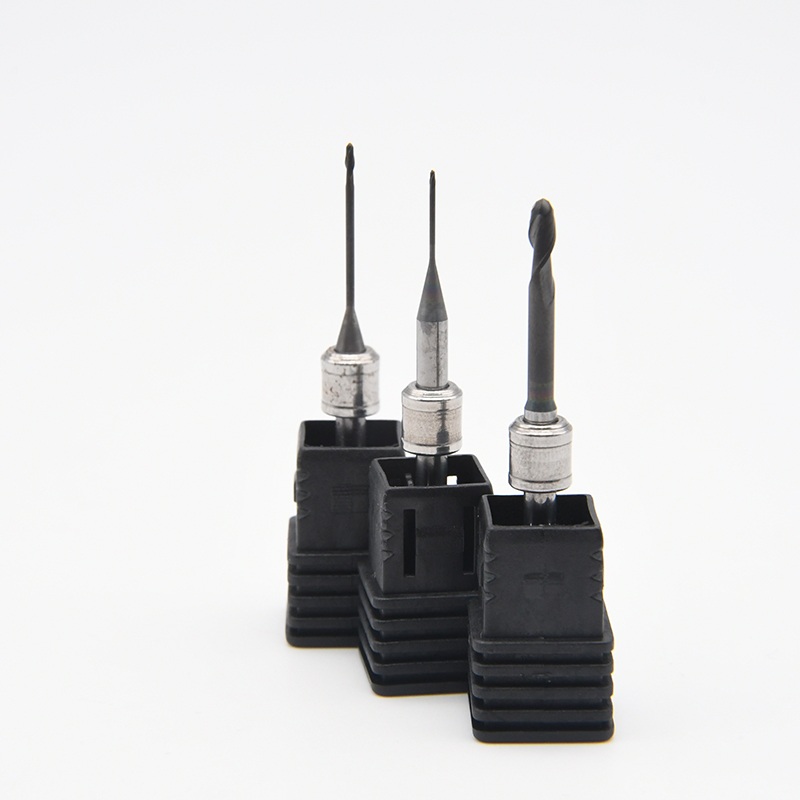
Les changements de conception ont également été améliorés. Ils aident à nettoyer mieux les copeaux et à réduire les secoussements pendant la fraisage rapide. Ces mises à jour aboutissent à des tranches plus propres et à de meilleures finitions sur les restaurations. En outre, les ajouts technologiques intelligents, tels que la planification automatique des trajets, ont facilité la manutention. Ils réduisent également les erreurs des gens. Le bur est installé et échangé simplement. Le système crée lui-même la route de fraisage. Aucune configuration délicate n'est nécessaire.
Comment les innovations améliorent-elles la qualité de fraisage ?
Les nouvelles fonctionnalités mènent directement à de meilleurs résultats dans les restaurations dentaires. Les surfaces améliorées maintiennent le bord pointu pendant des périodes plus longues. Cela réduit les erreurs de taille dans les prothèses en forme. De meilleures formes permettent de passer en douceur de la coupe brute au polissage final. Ils produisent des restaurations avec un excellent ajustement et un look.
L'efficacité du travail a augmenté grâce à moins de frottement lors de la tranche. Cela augmente la vitesse et ralentit les dommages à l'outil. Il étend considérablement le bur’ sa vie. Longue durée de vie, puissance de coupe constante et moins de remplacements réduisent les coûts. Les experts dentaires bénéficient d'un travail fiable sur de nombreuses pièces. Ils le font sans perdre de précision.
La contribution de XANGTECH aux innovations de fresage dentaire
Qu'est-ce qui distingue les produits de XANGTECH?
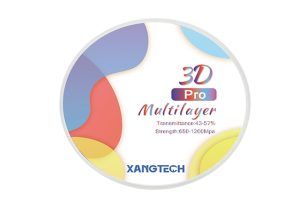
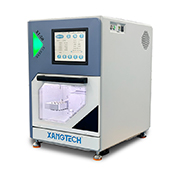
À XANGTECHNous sommes fiers d’offrir des outils dentaires de pointe qui atteignent des repères mondiaux en matière de précision et de fiabilité. Avec 11 ans de savoir-faire, XANGTECH se concentre sur les fournitures et équipements de laboratoire dentaire. Cela comprend les blocs de zirconie, la céramique en verre, les disques PMMA, les borses de fraisage et les scanners 3D dentaires. Notre objectif est de fournir des options de service complet. Ces laboratoires d'aide avec des instruments efficaces faits pour aujourd'hui’ processus numériques.
Notre gamme de borses de fraise dentaire couvre des articles ciblés qui correspondent aux meilleurs systèmes CAO/CAM dans le monde entier. Chaque bur passe par des contrôles stricts pour confirmer la stabilité dans des situations difficiles. Les bornes de fraisage en zirconie XANGTECH Amann Girrbach font face à des tests de qualité approfondis. Cela garantit que chaque bur atteint des normes élevées. Ainsi, ils offrent des outils stables et fiables pour les tâches de restauration dentaire. Nous utilisons du carbure de tungstène de haute qualité de Suède et d'Allemagne. Nous l'associons à des méthodes de fabrication modernes pour atteindre des niveaux de tolérance mondiaux.
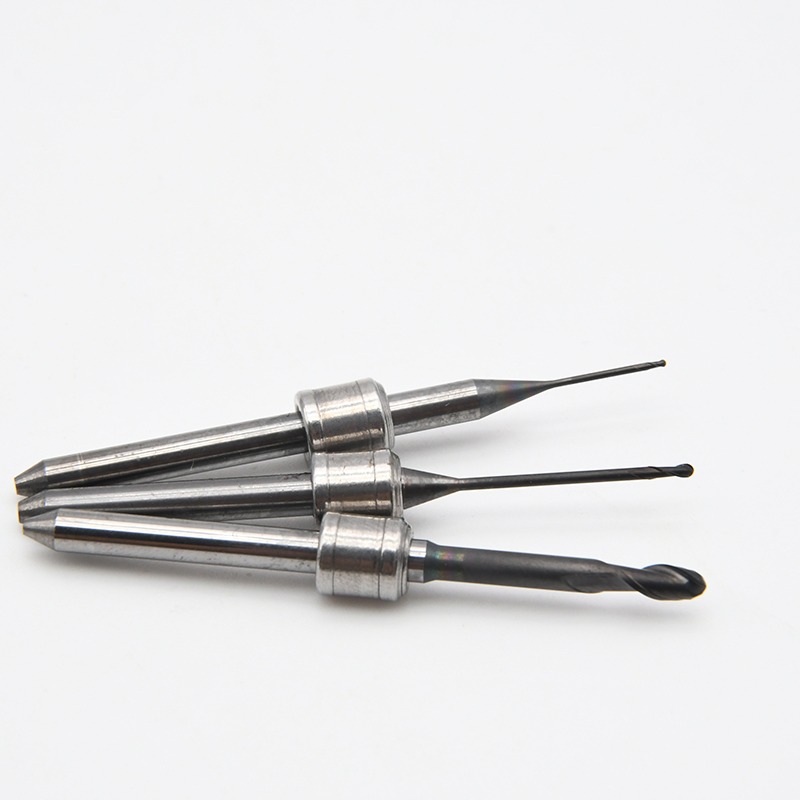
Nos articles brillent parce qu'ils mélangent la ténacité avec la flexibilité. Ils peuvent traiter des blocs de zirconie jusqu'à 25 mm d'épaisseur. En même temps, ils maintiennent la précision au niveau du micron. Les extérieurs revêtus de DLC ou DC augmentent la durée de vie. Ils arrêtent la rouille et soulagent les frottements sur de longues courses.
Les commentaires des experts sur le terrain louent souvent nos produits’ fiabilité. Ils obtiennent des résultats précis dans divers travaux de restauration, des couronnes simples aux ponts à arc complet. Ils réduisent également les frais d'entretien.
Nous offrons une solution complète pour les laboratoires dentaires. Notre gamme de produits montre notre engagement envers les nouvelles idées. Nous continuons à améliorer en fonction de ce que les clients ont besoin.
FAQ (questions fréquentes)
Q: Qu'est-ce que les professionnels devraient rechercher lors de la sélection d'une borne de fraisage dentaire?
R: La force matérielle compte le plus. Choisissez des bornes en carbure de tungstène résistant ou recouvertes de couches diamantées pour une meilleure résistance à l'usure. Les détails de forme comme la conception de la flûte influent sur leur fonctionnement. Ils aident à nettoyer les puces lors de la tranche. Compatible avec divers systèmes CAO/CAM garantit une utilisation facile dans les configurations actuelles.
Q: Quand doit-on remplacer une borne de fraisage dentaire?
A: La fréquence à laquelle remplacer dépend de combien il’ s utilisés et la dureté du matériau. Recherchez des indices comme une coupe plus lente ou des signes clairs de dommages. DLC revêtu bur peut forage 150 à 200 unités zirconie couronne. La vérification régulière arrête la mauvaise qualité de restauration des outils usés.
Q: Comment les cliniciens peuvent-ils prolonger la durée de vie de leurs burs?
R: Nettoyez-les immédiatement après utilisation pour éviter l'accumulation de morceaux qui pourraient déséquilibrer la filation ou endommager les surfaces. Gardez les bors dans des endroits secs loin des substances nocives pour maintenir le revêtement au fil du temps. Des contrôles réguliers sur les fraiseuses pour l'étalonnage aident également à maintenir une fonction optimale.


