
L'évolution vers l'automatisation dans la production de prothèses dentaires
Qu'est-ce qu'une machine à fraiser les prothèses dentaires ?
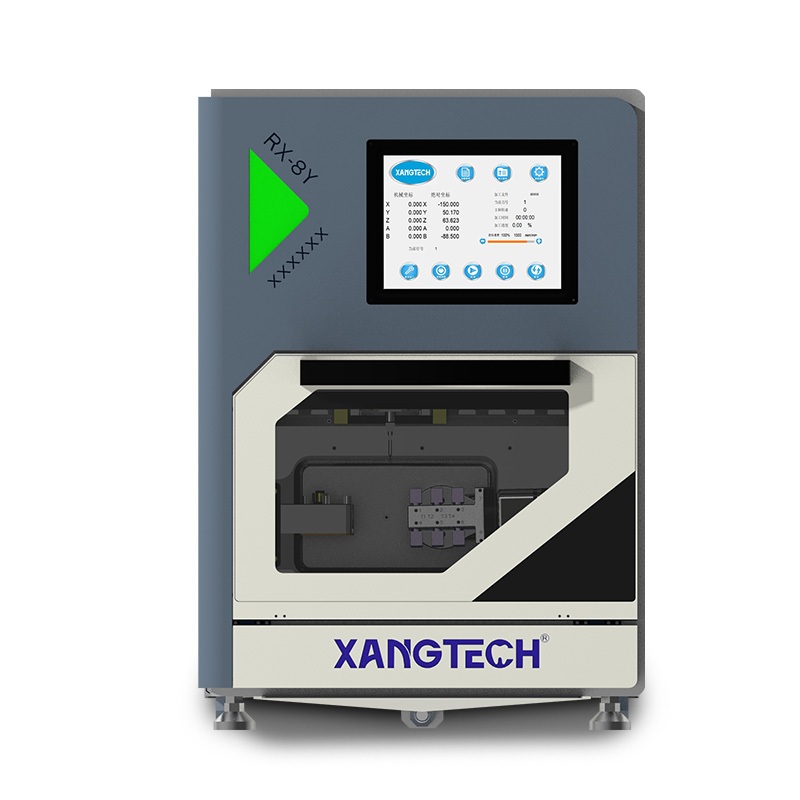
Une fraiseuse pour prothèses dentaires Il s'agit d'un appareil à commande numérique qui fabrique des prothèses dentaires à partir de modèles numériques grâce à la technologie CAO/FAO. Cet outil joue un rôle essentiel dans les laboratoires dentaires modernes. Il garantit une grande précision et des résultats constants. Contrairement aux méthodes manuelles traditionnelles, la machine utilise des données 3D et usine les prothèses directement à partir de blocs de PMMA ou de zircone. Cette méthode réduit considérablement le travail manuel tout en préservant une qualité optimale. Les prothésistes dentaires peuvent ainsi consacrer davantage de temps à la conception et à la planification des traitements, au lieu de répéter les mêmes étapes manuellement.
L'utilisation d'une fraiseuse pour prothèses dentaires permet également de réaliser des restaurations complexes avec une grande précision. Par exemple, une fraiseuse dentaire de haute précision pour blocs de zircone peut atteindre une précision de 0,01 mm. Chaque prothèse est ainsi parfaitement ajustée et confortable en bouche.
Pourquoi les laboratoires dentaires font-ils face à une pénurie de techniciens ?
Dans de nombreuses régions, les laboratoires dentaires font face à une pénurie de techniciens qualifiés. L'une des principales raisons est le vieillissement de la main-d'œuvre. De nombreux techniciens expérimentés approchent de la retraite et les jeunes sont de moins en moins nombreux à se tourner vers ce domaine. Parallèlement, la demande en prothèses et restaurations dentaires a fortement augmenté, notamment en raison du vieillissement de la population et des exigences esthétiques accrues des patients.
La fabrication artisanale de prothèses dentaires exige des années de pratique et une grande dextérité. Les nouveaux venus peinent à acquérir rapidement un haut niveau de compétences. De nombreux laboratoires ont donc du mal à respecter les délais et à maintenir une qualité constante lorsqu'ils s'appuient uniquement sur des méthodes manuelles. Ce décalage entre les compétences des professionnels et la demande a incité les laboratoires à se tourner vers des outils d'automatisation tels que les fraiseuses pour prothèses dentaires. Ces outils permettent de reproduire numériquement les résultats d'experts.
Comment l'automatisation transforme le flux de travail dans les laboratoires dentaires
L'automatisation révolutionne le fonctionnement des laboratoires dentaires. Elle simplifie le processus, de la conception à la prothèse, grâce aux outils numériques. Après la prise d'une empreinte numérique par scan intra-oral, un logiciel de CAO crée le modèle. Le fichier est ensuite directement transmis à la fraiseuse de prothèses. Ce procédé élimine plusieurs étapes manuelles telles que le modelage en cire ou la coulée.
Les systèmes automatisés réduisent les erreurs humaines lors de l'ajustement et de l'alignement. Ils suivent des trajectoires numériques précises pendant le fraisage. Ces systèmes garantissent également une production constante, même avec un effectif réduit de techniciens. Chaque restauration répond aux mêmes critères de qualité, quels que soient la taille de l'équipe ou son niveau d'expérience.
Gains d'efficacité grâce à l'automatisation des machines de fraisage de prothèses dentaires
Principaux avantages pour les laboratoires dentaires
L'automatisation apporte des gains d'efficacité considérables aux laboratoires dentaires qui adoptent les procédés numériques. Une fraiseuse pour prothèses dentaires réduit considérablement le temps de production par rapport aux méthodes manuelles traditionnelles. Un travail qui prenait autrefois plusieurs jours est désormais réalisé en quelques heures. Les laboratoires peuvent ainsi traiter davantage de cas sans augmenter leur personnel ni compromettre la précision.
Une meilleure précision signifie également moins de reprises et d'ajustements. Chaque prothèse usinée reste fidèle à son plan numérique. En automatisant leurs tâches quotidiennes, les laboratoires peuvent standardiser leurs processus et accélérer la livraison. Cette rapidité est essentielle sur le marché dentaire actuel, où cliniques et patients privilégient les résultats rapides.
Optimisation des coûts et des ressources dans la fabrication automatisée de prothèses dentaires
La fabrication automatisée de prothèses dentaires permet de réaliser des économies et d'optimiser l'utilisation des ressources de plusieurs manières. Un contrôle précis du fraisage réduit le gaspillage de matériaux. La machine n'enlève que la matière nécessaire des disques de PMMA ou des blocs de zircone. Les coûts de main-d'œuvre diminuent grâce à la réduction du nombre d'interventions manuelles par cas. Les techniciens peuvent ainsi superviser plusieurs machines simultanément au lieu de travailler sur un seul cas à la fois.
Les systèmes automatisés offrent également une meilleure marge de croissance. Les laboratoires peuvent s'agrandir sans coûts supplémentaires importants. Les dossiers numériques sont stockés pour une utilisation ou une modification ultérieure. Cela évite les manipulations répétées lorsque les patients ont besoin de prothèses dentaires de remplacement.
Comment une machine à fraiser les prothèses dentaires améliore-t-elle la qualité et la régularité ?
L'ingénierie de précision au service des prothèses dentaires numériques
Les machines modernes de fraisage de prothèses dentaires utilisent des capteurs et des outils de coupe de pointe. Ces composants garantissent une épaisseur et un ajustement uniformes pour chaque restauration. Le calibrage logiciel assure des résultats constants d'une prothèse à l'autre. Chaque produit répond aux mêmes normes, indépendamment de la taille du lot ou de l'expérience de l'opérateur.
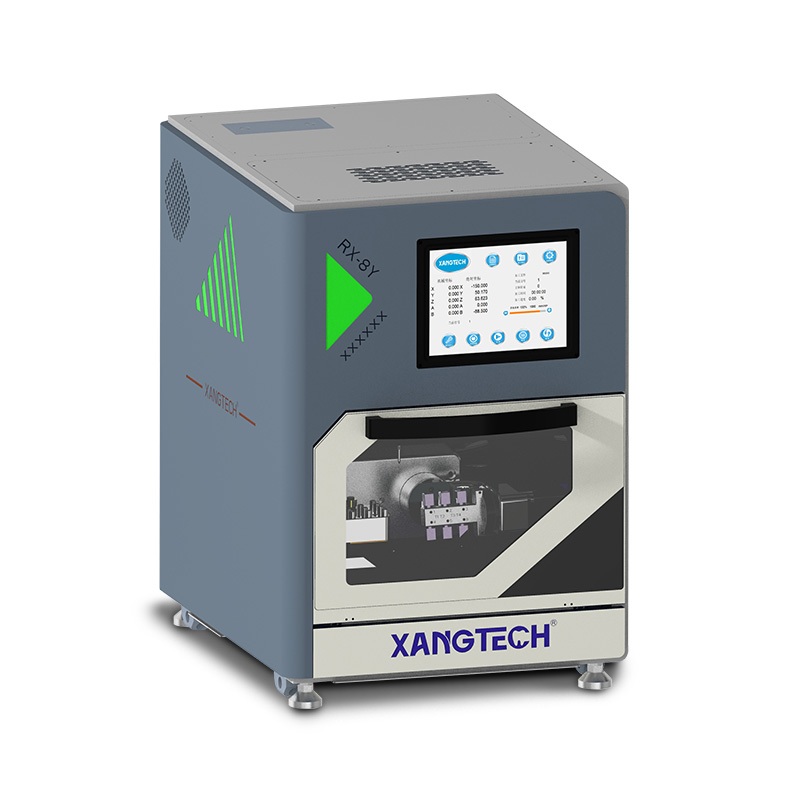
Fraiseuse XANGTECH XT 50 Conçue pour répondre aux exigences rigoureuses des laboratoires dentaires modernes, cette machine optimise la productivité et la précision. Sa fonction de reprise automatique assure la continuité du travail après un arrêt brutal. Sa capacité de coupe verticale à 90 degrés permet de créer des textures similaires à l'émail, idéales pour les restaurations antérieures. Ces caractéristiques illustrent comment une ingénierie de précision garantit des résultats constants dans la fabrication automatisée de prothèses dentaires.
Les archives numériques constituent un atout supplémentaire. Elles facilitent la copie ou la modification des anciens modèles en cas de besoin. Cela permet un suivi à long terme et des contrôles qualité.
Améliorer le confort du patient grâce à un ajustement précis
Un ajustement précis influe directement sur le confort et la satisfaction des patients. Les systèmes automatisés utilisent les données de numérisation 3D lors de la conception. Ils créent des prothèses parfaitement adaptées à la morphologie buccale de chaque patient, ce qui réduit les ajustements nécessaires au fauteuil lors des consultations de pose.
Le positionnement dentaire guidé par numérique offre un résultat naturel et harmonieux, tout en préservant une occlusion correcte. Les patients constatent un confort accru dès la première utilisation, car la numérisation élimine de nombreuses petites imperfections inhérentes aux prothèses manuelles.
Intégration de l'automatisation aux opérations existantes des laboratoires dentaires
Étapes de la transition des flux de travail manuels aux flux de travail numériques
- Examinez les outils de laboratoire actuels pour déterminer où l'automatisation peut apporter le plus d'avantages.
- Achetez un logiciel de CAO/FAO compatible avec des équipements fiables, tels qu'une fraiseuse dentaire de haute précision pour blocs de zircone.
- Offrir une formation complète afin que les techniciens apprennent les concepts de conception numérique et les règles d'utilisation des machines.
- Abandonnez progressivement les étapes entièrement manuelles. Conservez d'abord des flux de travail mixtes jusqu'à ce que l'équipe maîtrise les nouveaux outils.
Surmonter les obstacles courants à l'adoption
Les coûts initiaux peuvent constituer un obstacle. Cependant, des analyses détaillées du retour sur investissement démontrent souvent des gains à long terme grâce à une réduction des besoins en main-d'œuvre et à une accélération des délais. La sécurité des données doit demeurer une priorité. Les laboratoires doivent mettre en place des systèmes de fichiers robustes afin de protéger les données des patients lors des traitements numériques. La formation continue permet également de renforcer la confiance des techniciens dans les nouveaux outils et de garantir la fluidité des flux de travail.
XANGTECH : Des solutions d'automatisation dentaire de pointe
Pourquoi choisir les machines de fraisage de prothèses dentaires XANGTECH ?
À XANGTECHNous nous spécialisons dans les outils d'automatisation de pointe destinés aux laboratoires dentaires modernes du monde entier. Nous proposons une solution complète pour les laboratoires dentaires. Nos machines de fraisage de prothèses dentaires allient une automatisation intelligente à des interfaces simples, convenant aussi bien aux petits laboratoires qu'aux grandes structures.
La fraiseuse à métaux XANGTECH RX-8H est une unité intelligente conçue pour les travaux dentaires de haute précision. Elle combine aspiration dynamique, refroidissement par eau, circulation d'huile et contrôle multiaxes. Ces composants permettent la fabrication précise de restaurations complexes de grand volume.
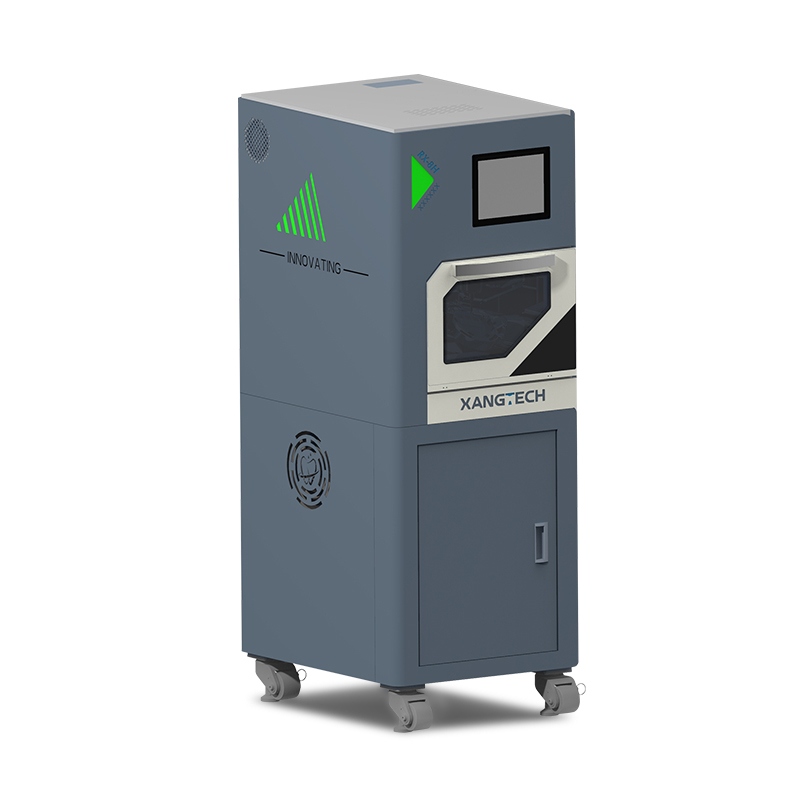
Nous concevons nos produits pour allier performance et fiabilité à toute épreuve. L'étalonnage automatique garantit une précision constante. L'assistance à distance réduit les temps d'arrêt grâce à une intervention rapide en cas de besoin.
Fonctionnalités qui soutiennent les laboratoires dentaires modernes
- Le fraisage à grande vitesse et à faible niveau sonore augmente la productivité sans perturber l'espace de travail.
- Les systèmes d'étalonnage intégrés garantissent des résultats stables sur de longues périodes.
- Compatible avec les principales plateformes logicielles CAO/FAO pour une intégration fluide dans différentes configurations de laboratoire.
- L'assistance technique complète de notre équipe d'ingénieurs aide nos clients à tirer le meilleur parti de leur équipement.
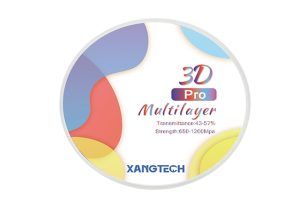
Notre objectif est de fournir des solutions complètes qui associent des matériaux de pointe tels que des blocs de zircone et des disques de PMMA à des machines modernes, notamment des fours de frittage, pour une amélioration complète du flux de travail.
FAQ (questions fréquentes)
Question : En quoi une fraiseuse pour prothèses dentaires diffère-t-elle des méthodes traditionnelles de fabrication de prothèses dentaires ?
A: Une fraiseuse pour prothèses dentaires utilise des fichiers de conception numériques pour tailler automatiquement les prothèses à partir de disques préformés, comme des blocs de PMMA ou de zircone. Cela élimine la plupart des étapes manuelles telles que le modelage en cire ou le moulage. Il en résulte une production plus rapide et une précision accrue.
Q : Dans quelle mesure est-il difficile pour les laboratoires dentaires de passer aux systèmes de fraisage automatisés de prothèses dentaires XANGTECH et aux flux de travail numériques ?
A: Le changement est gérable avec une bonne formation. De nombreux laboratoires commencent par des flux de travail mixtes et passent à une automatisation complète une fois que le personnel maîtrise les outils de CAO/FAO en complément des méthodes plus anciennes.
Question : Quels sont les avantages à long terme d'investir dans un système automatisé de fraisage de prothèses dentaires ?
A: Les laboratoires bénéficient de besoins en main-d'œuvre réduits, d'une qualité de produits plus constante, de délais de livraison plus courts, d'une diminution du gaspillage de matériaux et d'une rentabilité accrue. Ces avantages sont essentiels dans le contexte actuel de pénurie de techniciens dentaires à l'échelle mondiale.


