Que sont les micro-fraises et pourquoi sont-elles importantes dans les travaux de précision ?
Les micro-fraises sont des outils de coupe rotatifs compacts. Elles jouent un rôle essentiel dans les secteurs exigeant une précision extrême, tels que la dentisterie, la joaillerie et la métallurgie de précision. Leur format compact et leur conception unique permettent aux experts d'enlever ou de façonner de la matière avec une grande précision, réduisant ainsi les risques d'endommagement de la surface ou d'erreurs dimensionnelles. Le choix entre carbure et diamant micro-fraises influence la précisionLa qualité de surface et la durabilité de l'outil sont essentielles. Dans des domaines comme la restauration dentaire, même des différences minimes peuvent avoir un impact sur les résultats pour le patient. Ces outils constituent un élément vital des systèmes de fraisage CAD/CAM dentaires.
Exploration des micro-fraises en carbure
Comment fonctionnent les micro-fraises en carbure ?
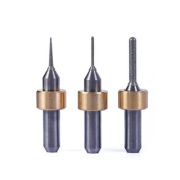
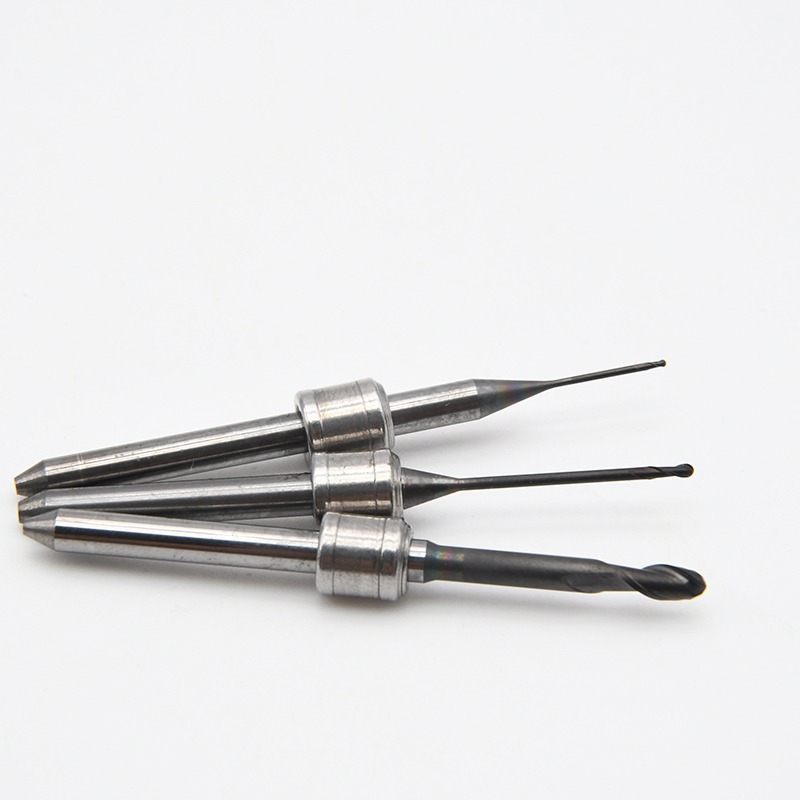
Les micro-fraises en carbure sont fabriquées en carbure de tungstène. Ce matériau offre une dureté et une résistance à l'usure extrêmes. Grâce à leurs arêtes vives, ces fraises coupent les matériaux par tranchage plutôt que par meulage. Ce procédé permet d'obtenir des bords nets et de limiter la chaleur. La faible friction contribue à protéger l'outil et la pièce à usiner. Elles sont particulièrement performantes sur les matériaux durs tels que les métaux, la céramique ou les blocs de zircone. Une coupe contrôlée est essentielle pour la précision des applications de fraisage dentaire.
Principaux avantages des micro-fraises en carbure
Les micro-fraises en carbure offrent une excellente durabilité. Elles supportent une utilisation répétée dans des conditions exigeantes. Ces fraises résistent également très bien à l'usure et conservent leur tranchant même après une utilisation prolongée. De plus, elles permettent d'obtenir des finitions lisses sur les matériaux durs, avec des vibrations minimales. Il en résulte un confort accru pour l'utilisateur et une meilleure qualité de produit. Ces caractéristiques sont essentielles pour les travaux nécessitant des formes précises ou des rainures détaillées, comme c'est le cas pour la fabrication de prothèses dentaires à l'aide de fraises et d'équipements dentaires.
Quand les micro-fraises en carbure sont-elles le choix privilégié ?
Les micro-fraises en carbure sont idéales pour les applications nécessitant un enlèvement de matière rapide et précis. Elles sont particulièrement performantes pour le façonnage de matériaux denses comme la zircone ou le titane. Ces étapes précèdent le polissage final. Leurs performances restent constantes en coupe à sec comme en coupe humide, ce qui favorise la flexibilité des flux de travail sur le marché en pleine expansion des fraises dentaires.
Examen des micro-fraises diamantées
En quoi les micro-fraises diamantées fonctionnent-elles différemment des micro-fraises en carbure ?
Les micro-fraises diamantées fonctionnent par abrasion plutôt que par coupe. Chaque surface de fraise est recouverte de particules de diamant industriel qui enlèvent la matière par petites étapes. Elles créent des finitions lisses et uniformes. Cette approche convient aux matériaux délicats, comme la vitrocéramique et l'émail. Ce type de meulage réduit le risque d'ébréchures sur les surfaces fragiles. Il offre des résultats impeccables pour les travaux esthétiques tels que la finition de facettes ou l'ajustement des contours.
Avantages des micro-fraises diamantées dans les applications de précision
Les micro-fraises diamantées offrent une grande précision de polissage et de modelage. Elles permettent de travailler les matériaux délicats avec une abrasion douce, réduisant ainsi le risque d'endommagement de la surface et assurant une texture homogène, quelle que soit la dureté du matériau. Outils essentiels, elles contribuent à des finitions de haute qualité en dentisterie restauratrice. Dans ces cas, la finesse prime souvent sur la rapidité.
Quand faut-il choisir le diamant plutôt que le carbure ?
Pour les finitions et le polissage nécessitant une légère modification de surface, privilégiez les micro-fraises diamantées. Elles sont idéales pour les travaux esthétiques de précision exigeant une texture irréprochable. Cet aspect est crucial lors des dernières étapes de la restauration, après le premier contourage réalisé avec des instruments en carbure. De nombreux experts utilisent des fraises diamantées fines pour le polissage après fraisage. Elles sont particulièrement performantes lors des processus de fraisage numérique, offrant ainsi un rendu esthétique optimal et une grande précision.
Comparaison des performances : Quel type excelle dans les travaux de précision ?
Comment se comparent l'efficacité de coupe et la finition de surface ?
Les micro-fraises en carbure enlèvent rapidement de la matière par découpe. Elles peuvent laisser de petites marques d'outil nécessitant une finition supplémentaire. Les micro-fraises diamantées permettent d'obtenir des finitions très fines, mais à une vitesse d'enlèvement de matière plus lente. Le choix dépend de la priorité accordée à la rapidité ou à la qualité de surface. Les prothésistes dentaires évaluent souvent ce compromis lorsqu'ils utilisent des systèmes de fraisage pour la zircone.
Considérations relatives à la durabilité et au coût des deux types
Les fraises en carbure durent généralement plus longtemps en cas d'utilisation intensive. Leur robustesse et leur résistance à l'usure y contribuent. Les fraises à revêtement diamant peuvent s'user plus rapidement, mais elles offrent une finition fine et constante dans le temps. Il est important de comparer le coût et la précision requise. Cela permet de trouver la meilleure option pour chaque projet. CAO dentaire/fraises de fraisage CAM segment.
Choisir la fraise adaptée à votre application
Quels facteurs devez-vous prendre en compte lors du choix d'une micro-fraise ?
Type de matériau et dureté
Le matériau de la fraise doit correspondre à la dureté de la pièce à usiner. Cela garantit un bon contrôle et une durée de vie plus longue. Le carbure est idéal pour les métaux durs ou la céramique. Le diamant est plus adapté aux matériaux fragiles nécessitant une abrasion douce.
Qualité de finition souhaitée
Utilisez d'abord le carbure pour la mise en forme, puis le diamant pour le polissage. Cette méthode par couches successives répond aux exigences fonctionnelles et esthétiques des restaurations dentaires modernes.
Compatibilité en matière de vitesse et d'équipement
Respectez les recommandations du fabricant concernant la vitesse de rotation. Cela évite l'usure prématurée et la surchauffe. C'est particulièrement important pour les systèmes de fraisage dentaire à grande vitesse.
Combiner les deux types pour des résultats d'une précision maximale
De nombreux professionnels utilisent les deux types d'outils successivement. Les outils en carbure permettent l'ébauche, tandis que les outils diamantés assurent la finition des surfaces. Cette méthode en deux étapes améliore l'efficacité et la qualité de finition des projets complexes exigeant une grande précision dimensionnelle.
XANGTECH : Progrès de la technologie des micro-fraises
Pourquoi choisir les micro-fraises XANGTECH pour les applications de précision ?
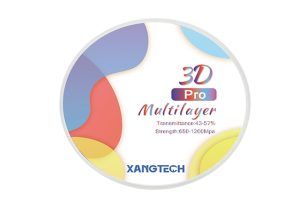
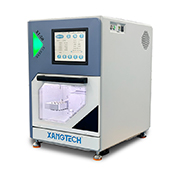
À XANGTECHNous nous spécialisons dans les micro-fraises en carbure et en diamant haute performance. Celles-ci répondent aux besoins des laboratoires dentaires, des cliniques et de l'industrie. Notre site présente l'ensemble de nos gammes de produits, incluant les matériaux de restauration, les équipements numériques tels que les fraiseuses dentaires, les fours à porcelaine, les fours à presse, les scanners 3D, les scanners intra-oraux, ainsi que des éléments essentiels comme les fraises. Nous avons conçu un équilibre optimal entre durabilité et tranchant, garantissant ainsi une usinage précis à haute vitesse, sans perte de précision ni de durée de vie.
Chaque fraise XANGTECH est soumise à des contrôles qualité rigoureux, garantissant ainsi des résultats constants même en cas d'utilisation intensive. Cette exigence témoigne de notre quête d'excellence pour l'ensemble de notre gamme de solutions CAD/CAM dentaires, incluant blocs de zircone, disques PMMA et fours de frittage. Nos produits s'intègrent parfaitement aux flux de travail numériques modernes et répondent aux exigences des environnements où la fiabilité des composants est primordiale pour un travail de précision.
Produits phares de la collection XANGTECH
Caractéristiques de la série Carbide :
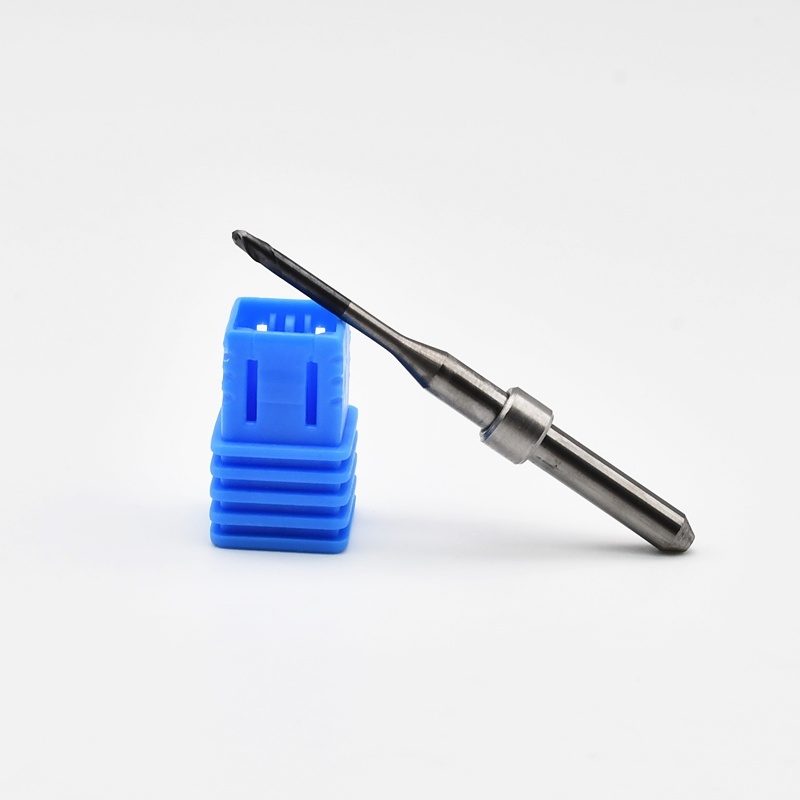
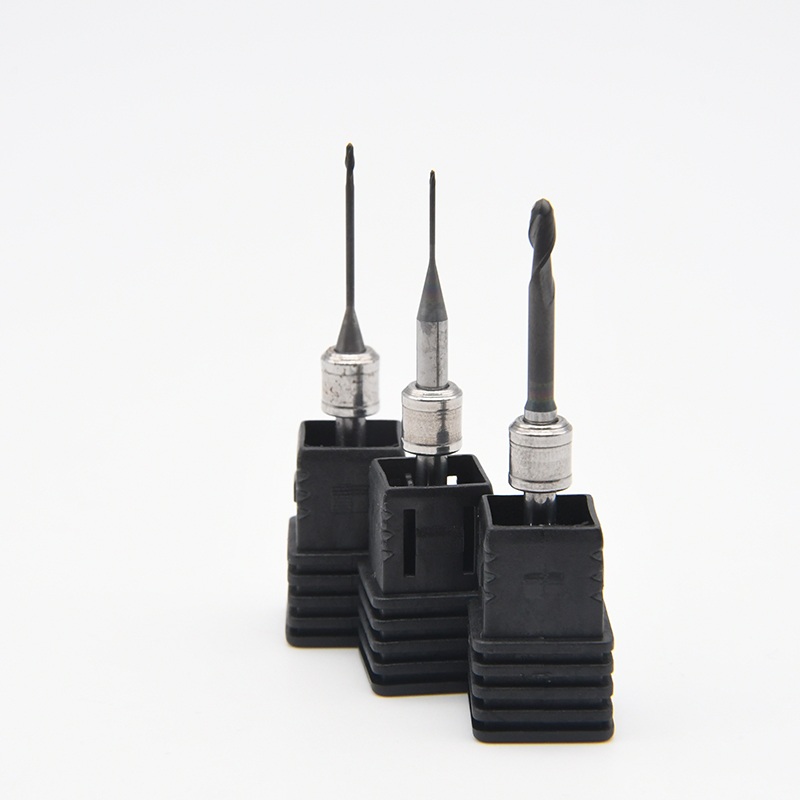
Les fraises en zircone XANGTECH Amann Girrbach sont soumises à des contrôles de qualité rigoureux. Chaque fraise répond à des normes élevées. Le profil des cannelures améliore l'évacuation des copeaux et préserve la résistance des bords lors d'une utilisation prolongée. Elles sont idéales pour le façonnage de matériaux denses comme les couronnes ou les bridges en zircone réalisés avec des systèmes CFAO.
Caractéristiques de la série Diamond :
La fraise en zircone Amann Girrbach est revêtue de diamant ou de carbone amorphe. Ce revêtement lui confère une dureté, une résistance à l'usure et à la corrosion exceptionnelles. Son revêtement uniforme répartit l'abrasion sur toute la surface de contact, prolongeant ainsi sa durée de vie lors des opérations de finition, comme le lissage de contours ou le polissage de type émail sur des fraiseuses de pointe.
FAQ (questions fréquentes)
Q : Les micro-fraises en carbure ou en diamant sont-elles meilleures pour les débutants ?
A : Les micro-fraises en carbure offrent un meilleur contrôle lors des premières étapes de mise en forme. Leur action de coupe reste prévisible. Les versions diamantées exigent plus de dextérité, mais offrent des finitions plus lisses. Elles conviennent aux travaux de précision esthétiques.
Q : À quelle fréquence dois-je remplacer mes micro-fraises ?
A : Le remplacement dépend de la charge de travail. Les travaux intensifs peuvent nécessiter de nouveaux outils en carbure après plusieurs utilisations. Les outils diamantés doivent être changés dès que leurs performances d'affûtage diminuent.
Q : Peut-on utiliser à la fois des micro-fraises en carbure et en diamant sur un même projet ?
R : Oui. De nombreux professionnels combinent les deux types de fraises. Ils commencent par le carbure pour l'ébauche, puis terminent avec une fraise diamantée pour les finitions. Cette technique permet d'obtenir une précision et une qualité de surface optimales pour les restaurations dentaires réalisées grâce à notre technologie de fraisage avancée pour zircone.