

What Makes High-Performance CAD CAM Milling Burs Worth the Upgrade?
Why Are Milling Burs So Important in CAD CAM Dentaire Systems?
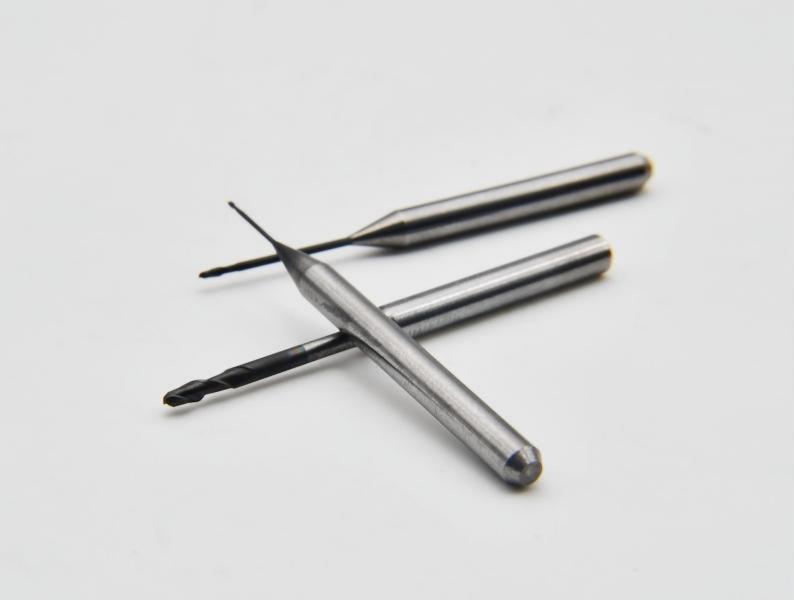
Milling burs serve a basic purpose in digital dental production. These tiny yet effective instruments handle slicing, shaping, and polishing dental prosthetics like crowns, bridges, veneers, and inlays. Milling burs shape, sculpt, and refine dental prosthetics with exactness. A superior bur leads to more exact and even outcomes. The caliber of the bur straightly influences the precision and texture of crowns, bridges, and similar prosthetics.
Opting for cheap or damaged burs might cause uneven slices, weak edge quality, and even the need to redo prosthetics. This adds extra time and expense to your process. A top-quality bur guarantees steady outcomes. It also lowers the chance of redo work. No matter if you handle zirconia or PMMA, the bur’s quality decides how well and quickly you can make dental prosthetics.
How Do High-Performance Burs Improve Efficiency?
Efficiency in a dental workshop goes beyond just quickness. It involves cutting down on scrap, shortening pauses, and boosting equipment output. High-performance burs stay sharp for extended periods. As a result, you replace them less often. A blunt bur raises slicing duration. It also adds extra stress to your milling device.
Quicker slicing rates lead to briefer milling periods per prosthetic. High-performance burs let you finish more pieces in shorter time. What’s more, these superior instruments cut down on shaking while running. They cause less damage to your milling equipment. This happens through smoother running and lower shaking. It extends your machine’s life. It also provides more reliable and exact outcomes.
What Materials Can Be Milled with These Burs?
Top-tier CAD CAM milling burs are built to manage various substances used in current dentistry. They process zirconia, PMMA, wax, lithium disilicate, and mixed ceramics smoothly. The structure and layer of these burs allow easy shifts between gentle substances like wax or PMMA and tougher ones like zirconia.
High-performance burs manage both soft and hard substances without losing quality. This flexibility helps dental workshops simplify their routines. They avoid frequent tool swaps or concerns over wear speed.
Are There Signs It’s Time to Upgrade Your Milling Burs?
How Do You Know When a Bur Is Worn Out?
Milling burs degrade with use. It’s unavoidable. However, a damaged bur can greatly harm the end prosthetic. Typical signs feature clear nicks or blunt tips on the tool’s end. These cut down slicing effectiveness.
You might see longer milling durations or sudden device faults while working. Such problems often stem from uneven force or pushback from worn bur faces. Rough texture or wrong fit in milled prosthetics signals it’s replacement time.
Can Upgrading Help Reduce Operational Costs?
Yes. Though high-performance burs cost more at first, they last longer and work better over time. You swap them out less. This cuts ongoing expenses, even with a bit higher starting price. Also, finer tools lessen damage to your costly milling devices.
Stronger build means less pause for bur swaps or device adjustments. This results in more working hours. It leads to fewer holdups in patient care. In the end, it improves your profits.
Meet XANGTECH: Precision Tools for Modern Dental Milling
What Sets XANGTECH Milling Burs Apart from Others?
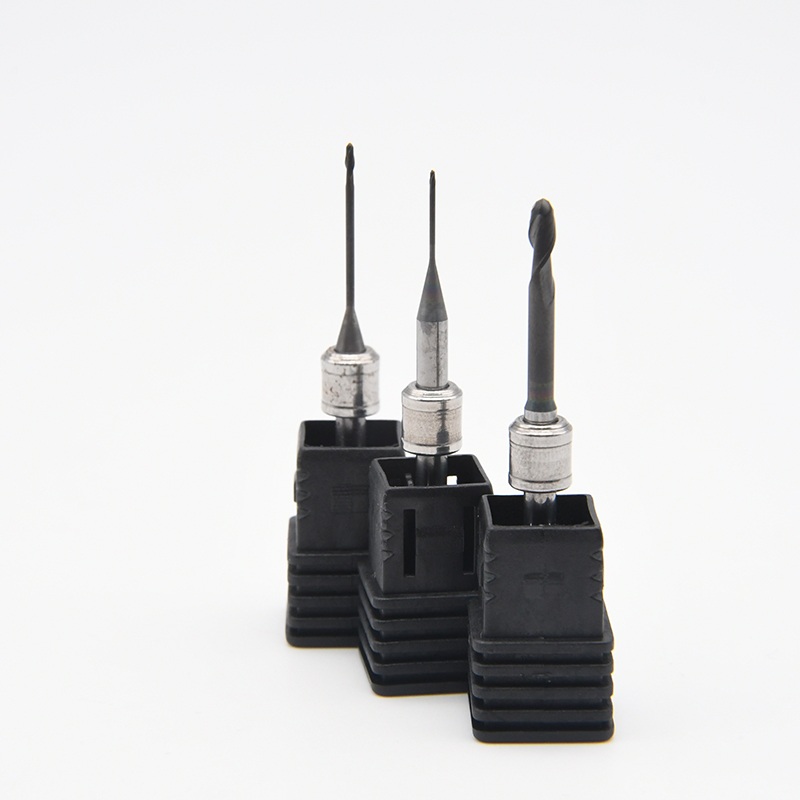
At XANGTECH, we focus on creating high-performance Borses de fraisage CAD CAM suited for current digital dental routines. Our milling burs use top-grade tungsten carbide from Sweden and Germany. We test them strictly for reliability and strength. They’re allow to mill material with10mm-25mm thickness.
Our items include modern layers like diamond or DLC (diamond-like carbon). These keep sharpness lasting, even on thick substances like zirconia. For instance, our Amann Girrbach zirconia milling bur uses diamond coating or diamond-like carbon which gives it excellent hardness, wear resistance and corrosion resistance to ensure that it is sufficient to handle high-strength materials.
Besides, our burs work with leading CAD/CAM setups. This removes worries about setup matching. XANGTECH Amann Girrbach zirconia milling burs can be well matched with the common CAD/CAM machining systems on the market. Whether you use zirconia blocks or PMMA discs, our burs give great slicing outcomes. They use improved flute shapes for better chip clearing.
Which Applications Are XANGTECH Burs Ideal For?
Common Uses Include:
Our milling burs suit detailed tasks in many areas:
- Fabrication of zirconia crowns and bridges with unmatched accuracy.
- Creating PMMA temporary restorations with clean margins that require minimal finishing.
- Milling wax patterns used in pressable ceramic workflows with minimal distortion.
Notre Roland zirconia milling burs help dental professionals create high-quality dental restorations with their excellent cutting performance, durability and high precision. Our Roland-compatible burs are 100% compatible with popular dental systems like DWX-52D/DWX-52DCi/DWX-42W and offer extended life thanks to their robust coatings.
How Do You Choose the Right CAD CAM Milling Bur?
What Factors Should You Consider Before Buying?
When picking a CAD CAM milling bur, it’s vital to think about:
- Material compatibility: Make sure the bur fits your usual substances like zirconia or PMMA.
- Machine compatibility: Review details like spindle size, tool holder style, and tool length.
- Application-specific design: Pick roughing or finishing burs based on if you’re taking off large amounts or polishing edges.
These elements ensure top results from your bur and milling setup.
How Often Should You Replace Your Milling Burs?
General Guidelines Based on Usage:
Various substances affect bur wear differently:
- zirconie: Swap after roughly 80–120 pieces, based on prosthetic detail.
- PMMA/Wax: Softer substances let your bur endure up to 150 pieces.
Steady checks are crucial for smooth and uniform output. If you spot blunt tips or output problems, change it.
FAQ (questions fréquentes)
Q: How do I know if my CAD CAM milling bur is compatible with my machine?
A: Check your machine’s specifications for spindle diameter, tool length, and tool holder type—XANGTECH provides detailed compatibility information for their burs.
Q: Can I use one type of milling bur for all materials like zirconia and PMMA?
A: While some universal burs exist, using material-specific burs ensures better results and prolongs tool life—XANGTECH offers dedicated options for each material.
Q: Why is my milling bur wearing out faster than expected?
A: Possible reasons include incorrect spindle speed settings, using the wrong type of bur for the material, or poor maintenance practices like skipping cleaning after use.







 French
  English
  Spanish
  Russian
  Italian
  Japanese
  Portuguese
  Arabic