
L'evoluzione dei flussi di lavoro digitali per le protesi dentarie nel 2026
Come i flussi di lavoro digitali si integrano con le fresatrici per protesi dentarie
Macchine per la fresatura di protesi dentarie Costituiscono una parte fondamentale di questo cambiamento. Trasformano i progetti digitali in protesi fisiche precise attraverso metodi sottrattivi. L'integrazione con i software di scansione e progettazione mantiene sincronizzato ogni fase. Il processo si svolge dalla prima impronta al taglio finale con elevata precisione.
Le moderne attrezzature per la fresatura di protesi dentarie sono in grado di lavorare con numerosi materiali, tra cui PMMA, zirconia, cera e blocchi di PEEK. Questa gamma di materiali consente ai team di realizzare restauri sia a breve che a lungo termine con elevata precisione. I tempi di consegna si riducono: i pazienti ricevono le loro protesi in poche ore anziché in giorni.
Quali fattori spingono verso una produzione di protesi dentarie completamente digitale?
Il settore odontoiatrico mondiale sta vivendo rapidi cambiamenti. Laboratori e cliniche adottano ormai processi completamente digitali per la realizzazione di protesi dentarie. La domanda di soluzioni più rapide ed economiche è in costante aumento. I pazienti desiderano restauri che si adattino perfettamente e abbiano un aspetto naturale. Questo spinge i team odontoiatrici ad aggiornare i propri metodi.
Gli strumenti CAD/CAM hanno apportato un contributo fondamentale. Permettono ai team di passare con facilità dalla progettazione al prodotto finito. I laboratori integrano apparecchiature automatizzate che riducono il lavoro manuale e lo spreco di materiale. Dischi di alta qualità come quelli in zirconia e PMMA garantiscono risultati costanti in questi sistemi. L'automazione libera i tecnici, consentendo loro di concentrarsi sui dettagli più minuti anziché su passaggi ripetitivi.
Le innovazioni digitali risolvono anche un grosso problema dei metodi tradizionali. In passato, i risultati variavano da caso a caso. Ora, la progettazione e la produzione computerizzate garantiscono la stessa precisione in ogni occasione. Ogni protesi soddisfa il livello clinico richiesto.
Caratteristiche principali che definiscono le moderne fresatrici per protesi dentarie
Ingegneria di precisione e compatibilità dei materiali
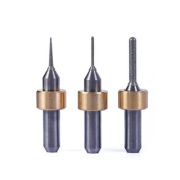
Le moderne fresatrici per protesi dentarie si basano su una solida ingegneria. La maggior parte funziona con configurazioni a 4 o 5 assi. Queste consentono di ottenere forme precise che riproducono fedelmente la forma naturale del dente. I mandrini ruotano ad alta velocità e lasciano superfici lisce. Dopo la fresatura, è necessario un lavoro minimo.
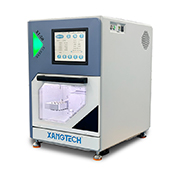
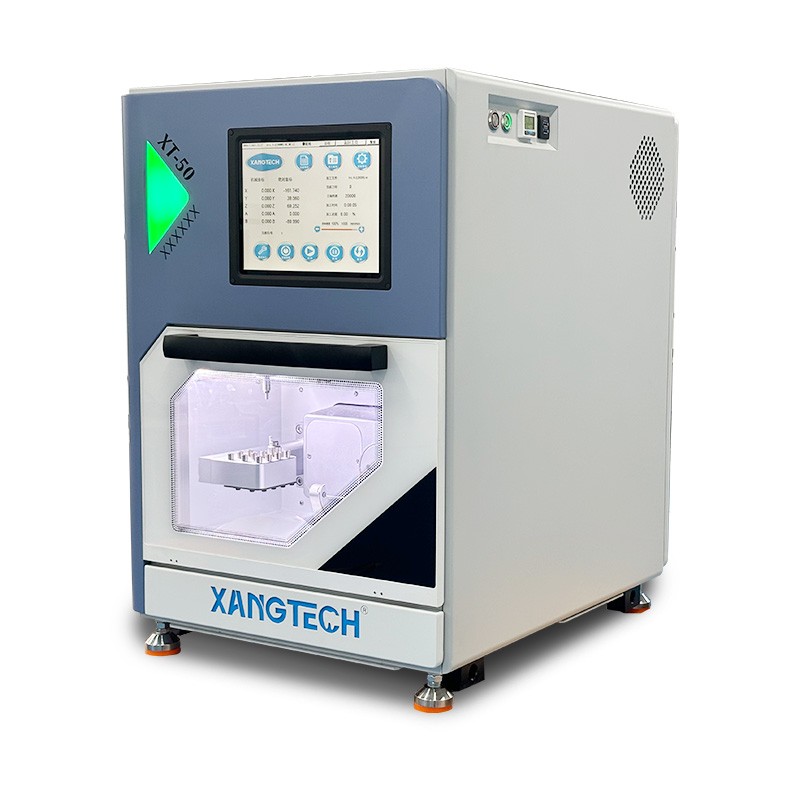
Anche la gamma di materiali è importante. Le macchine lavorano con PMMA, zirconia, resine e alcuni metalli. Fresatrice XANGTECH XT 50 Soddisfa le esigenze di laboratorio in termini di output e dettaglio. Aggiunge tagli verticali a 90 gradi per texture simili ai denti. La sua gamma sull'asse B supporta lavori implantari complessi.
Questi miglioramenti conferiscono alle protesi fresate una migliore vestibilità, resistenza e un aspetto migliore rispetto ai metodi precedenti.
Automazione ed efficienza dei flussi di lavoro
L'automazione ha rivoluzionato il modo in cui i laboratori producono protesi dentarie. I sistemi di cambio utensili sostituiscono i componenti senza richiedere l'intervento del personale. I controlli intelligenti mantengono costante la precisione su numerose unità. Il monitoraggio in tempo reale consente ai tecnici di seguire l'avanzamento del lavoro da remoto, riducendo al minimo i tempi di errore e di riparazione.
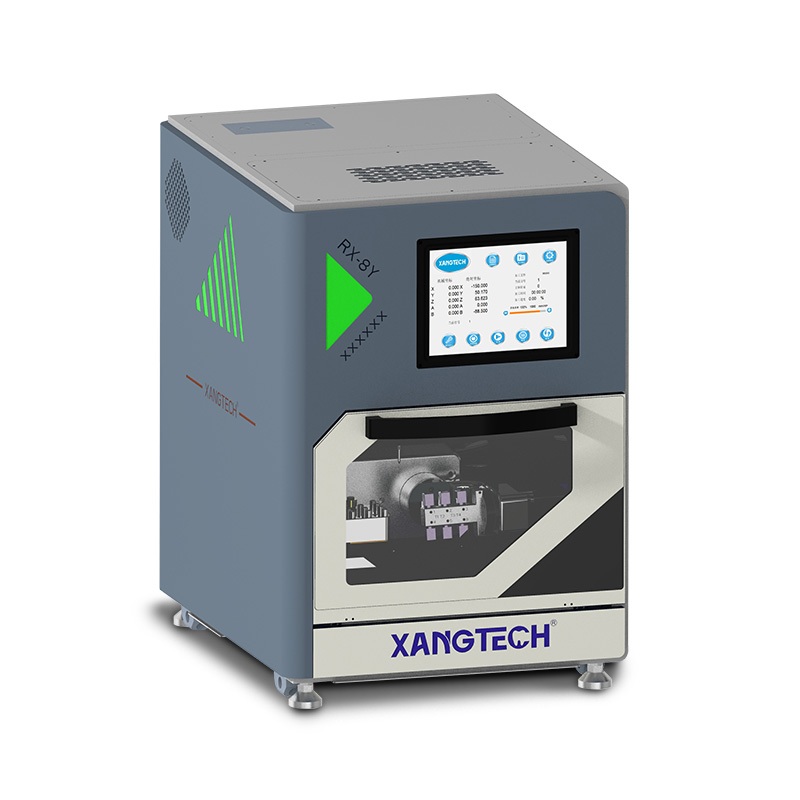
La fresatrice per metalli XANGTECH RX-8H utilizza raffreddamento ad acqua, aspirazione, flusso d'olio e controllo multiasse. Queste caratteristiche consentono di gestire al meglio protesi e restauri complessi. La calibrazione con un solo clic e il fissaggio della sonda garantiscono tagli precisi. Raggiungere un contatto di morso uniforme nelle lavorazioni su arcata completa diventa più semplice.
In che modo le fresatrici per protesi dentarie migliorano i risultati clinici?
Migliorare la vestibilità, il comfort e l'estetica per i pazienti
Le protesi fresate offrono vantaggi evidenti rispetto ai metodi tradizionali. La precisione garantisce un adattamento perfetto e confortevole. Sono necessari meno aggiustamenti durante le visite di consegna. Le superfici di occlusione uniformi migliorano la masticazione per i pazienti.
Gli strumenti di progettazione consentono ai team di regolare la forma dei denti, le variazioni di colore e l'allineamento a partire dai dati dello scanner. Questo tocco personale migliora sia la funzionalità che l'estetica, con conseguente aumento della soddisfazione del paziente.
Ridurre l'errore umano nei processi di fabbricazione
L'automazione nella fresatura delle protesi dentarie elimina molti errori manuali. I file digitali memorizzati nei sistemi CAD/CAM consentono copie o modifiche rapide. Non sono necessarie nuove impronte. Si risparmia tempo e si riducono i tassi di rifacimento.
La calibrazione automatica garantisce la precisione dimensionale a ogni ciclo di lavorazione. I clinici possono contare su risultati costanti quando realizzano o modificano protesi dentarie in questo modo.
Confronto tra fresatura sottrattiva e produzione additiva in odontoiatria
Perché scegliere la fresatura anziché la stampa 3D per le protesi dentarie?
I metodi additivi come la stampa 3D stanno facendo progressi. Tuttavia, la fresatura sottrattiva continua a produrre protesi dentarie resistenti. I pezzi fresati provengono da blocchi solidi e mostrano una maggiore resistenza e meno punti deboli rispetto alle stampe a strati.
I mandrini ad alta velocità lasciano le superfici lisce. Ciò riduce la necessità di lavori di finitura. Questo è particolarmente utile per le casse a tutto sesto che richiedono un accoppiamento preciso.
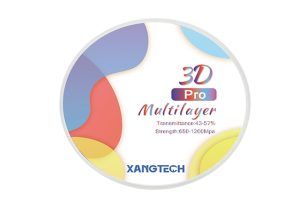
Il XANGTECH blocco di zirconia pre-ombreggiato ad alta traslucenza Si distingue per le sue prestazioni nei restauri. Offre buona resistenza e un'ottima corrispondenza di colore. Questi blocchi danno il meglio di sé quando vengono fresati, poiché la densità rimane elevata e ne garantisce la durata nel tempo.
Trovare un equilibrio tra costi, velocità e qualità nelle decisioni di produzione.
La creazione di protesi dentarie digitali comporta inizialmente dei costi per scanner e forni. I vantaggi si concretizzano in seguito grazie alla riduzione delle ore di lavoro e degli sprechi. I flussi di lavoro misti, che utilizzano sia la fresatura che la stampa, consentono ai laboratori di adattare velocità e qualità a ogni singolo caso.
Le prove stampate possono essere controllate rapidamente. Le protesi definitive vengono quindi fresate da zirconia o PMMA di alta qualità. Questo garantisce velocità e precisione, tutelando al contempo i risultati per il paziente.
XANGTECH: Innovare il futuro della tecnologia di fresatura delle protesi dentarie nel 2026
In che modo XANGTECH sta plasmando la prossima generazione di apparecchiature per la produzione di dispositivi dentali?
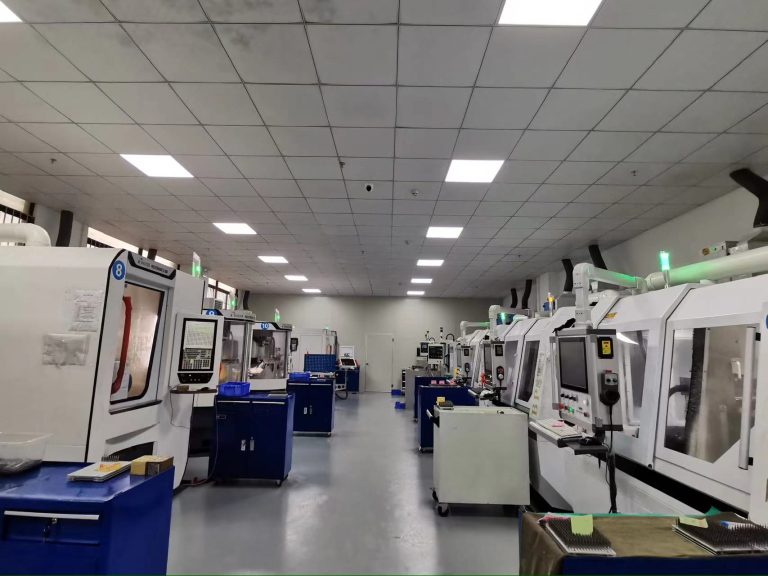
XANGTECH realizza fresatrici di precisione per protesi dentarie, in grado di soddisfare le esigenze attuali del settore. XANGTECH si distingue per la sua attenzione agli strumenti completamente digitali, che spaziano dai blocchi di zirconia ai forni che raggiungono i 1650 °C.
I nostri collegamenti CAD/CAM mantengono sincronizzati software di progettazione e hardware. Le configurazioni a basso consumo energetico riducono i costi di gestione pur garantendo un'elevata produttività. Questa soluzione è adatta sia ai piccoli laboratori che ai grandi stabilimenti.
Continuiamo a migliorare le nostre linee con controlli basati sull'intelligenza artificiale che garantiscono risultati stabili anche durante cicli di produzione prolungati. I laboratori ottengono una maggiore produttività senza perdita di dettagli o qualità superficiale.
Prodotti di punta della gamma XANGTECH 2026
Serie SmartMill di XANGTECH
La serie SmartMill coniuga dimensioni compatte e prestazioni elevate. È ideale per i laboratori di piccole dimensioni che desiderano flessibilità e precisione. Molti materiali possono essere lavorati in un unico flusso. Dischi in PMMA per protesi provvisorie e blocchi in zirconia per restauri definitivi passano attraverso lo stesso sistema con facilità.
Sistema di fresatura ProDent XANGTECH
Il sistema di fresatura ProDent offre nuove funzionalità. I mandrini più veloci garantiscono una migliore finitura superficiale per un aspetto impeccabile. La calibrazione tramite intelligenza artificiale mantiene una precisione micrometrica anche su lunghe serie. Ogni protesi fresata soddisfa appieno le esigenze dei clinici di oggi.
Domande frequenti
D: A cosa serve una fresatrice per protesi dentarie?
A: Una fresatrice per protesi dentarie realizza protesi complete o parziali a partire da progetti digitali. Utilizza metodi sottrattivi per ottenere una vestibilità perfetta, una qualità costante e tempi di produzione più brevi.
D: Le protesi dentarie fresate sono migliori di quelle tradizionali?
A: Le protesi fresate offrono generalmente maggiore precisione, comfort e durata rispetto a quelle realizzate a mano. La precisione digitale e il minor numero di passaggi manuali riducono gli errori nel processo.
D: Quanto tempo ci vuole per produrre una protesi dentale fresata?
R: I tempi variano a seconda del sistema. Spesso vanno da poche ore a un giorno. I dettagli del progetto, la scelta dei materiali e la velocità della macchina influiscono tutti. Questo metodo è molto più rapido rispetto ai vecchi metodi che richiedevano diversi giorni.


