
What Sets Modern Milling Burs Apart?
How Do Milling Burs Enhance Precision in Manufacturing?
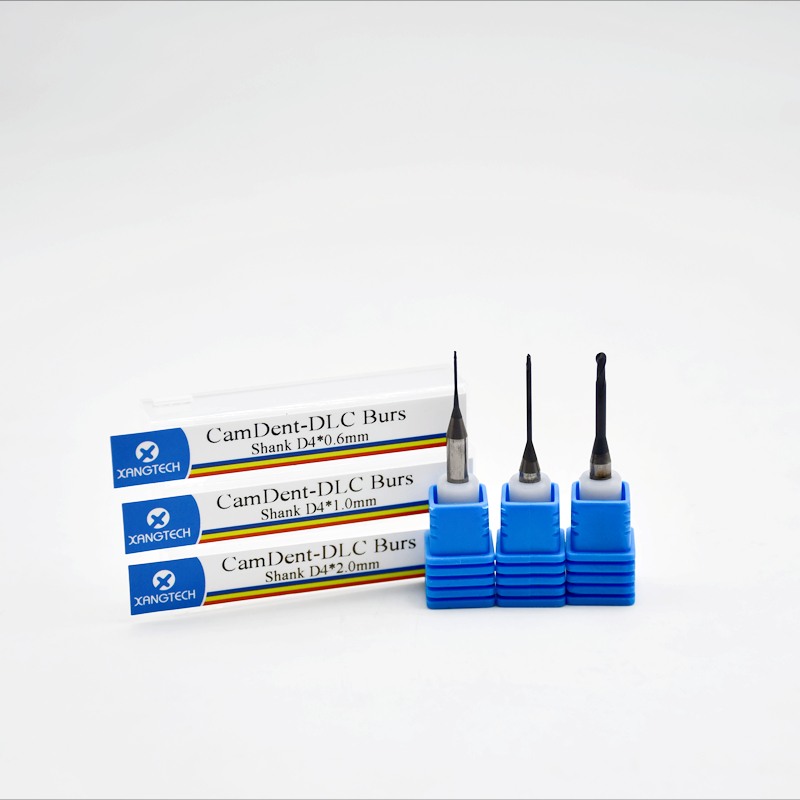
Modern milling burs are built to offer outstanding precision and effectiveness in dental and industrial manufacturing alike. Their structure aims to cut down vibration. It ensures steadier processes. Plus, it achieves very exact cuts on tricky shapes. These borse di fresatura dentale serve as vital instruments in CAD/CAM setups. There, micro-burs for detailed tasks allow careful forming of substances like zirconia, ceramic mixtures, and metals.
In current manufacturing, burs for CAD/CAM systems hold a key role in mixing speed with fine points. Computer-aided design integration makes sure every bur motion is fine-tuned for material taking away. At the same time, it preserves surface quality. They lower rubbing and heat rise in fast tasks. This matters a lot when dealing with ceramics or zirconia dental bur uses.
Superior materials add greatly to milling exactness. Strong tungsten carbide or diamond layers keep edges sharp for long periods. Thus, they provide steady cutting across many items. Such lasting quality leads to sharper outlines and fewer tool changes. These are main elements in keeping output high.
Are There Different Types of Milling Burs for Specific Applications?
Milling burs appear in many forms and dimensions. They fit particular jobs in the making process. In dental uses, varied shapes apply based on rough cutting or smooth ending. For example, thinner CAD/CAM milling burs work best for complex shaping of crowns or veneers. Meanwhile, bigger ones manage large material removal well.
Layers on these burs greatly shape their output. The diamond layer guarantees a long working time. It keeps edges keen in strong conditions. Likewise, DLC layers can shape hundreds of zirconia pieces before wear appears. This proves how layer tech lengthens durability.
Picking a milling bur relies much on the stuff being worked and the wanted end quality. For instance, zirconia milling burs need great hardness to stop chipping in cuts. On the other hand, PMMA or wax blocks do well with gentler bur kinds that cut down surface marks.
The Material Science Behind Milling Burs
What Materials Are Used in the Production of Milling Burs?
The base of any top-performing milling bur rests in its material makeup. Usual choices include tungsten carbide, diamond-coated mixes, and ceramic blends. All pick for their power, heat resistance, and wear traits. Wieland milling burs use high-hardness tungsten steel material. This gives excellent stiffness needed for steady work over long times.
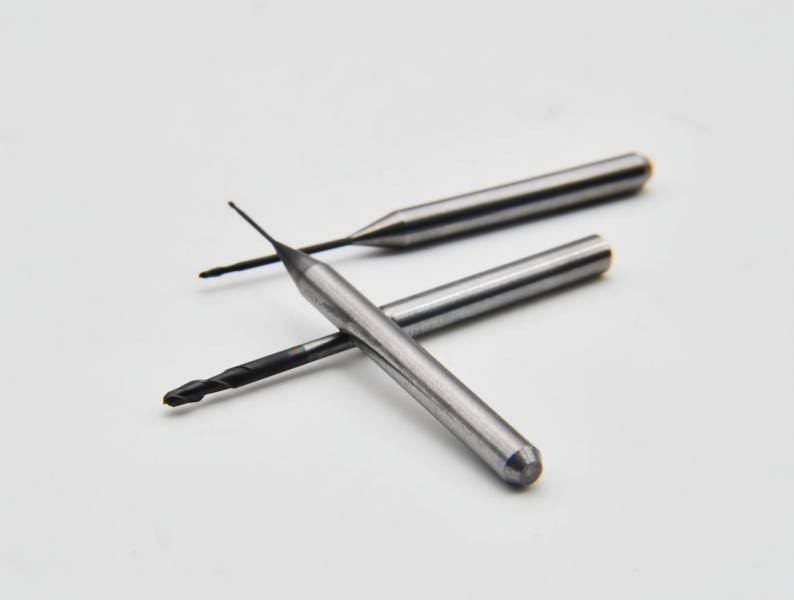
Carbide-based burs provide a fine mix of strength and edge holding. They suit both metal tasks and ceramic ones. Diamond-coated kinds shine when tackling very hard items like zirconia blocks or lithium disilicate glass ceramics. These appear often in cam dental milling flows.
Ceramic blends have grown popular due to their light weight plus good heat stability. These traits make them fit for ongoing making settings. There, heat spreading is key to stop bending or tool breakdowns.
How Does Material Choice Affect Milling Bur Performance?
Material pick impacts not just the working life but also the running effectiveness of a milling bur. Tougher builds like diamond or carbide stretch tool life. However, they can break easier under hit stress. So, right care is vital to dodge early damage in setup or use.
Heat-proof materials hold shape at high spin rates. This is a must for detailed tasks with micro-burs for precision work in dental CAD/CAM milling systems. Plus, it has tuned shapes to stay sharp in fast and heavy milling. Thus, even in steady use like big labs or auto setups, output stays firm without hurting end quality.
Innovations Driving Modern Milling Bur Design
How Has Technology Improved the Efficiency of Milling Burs?
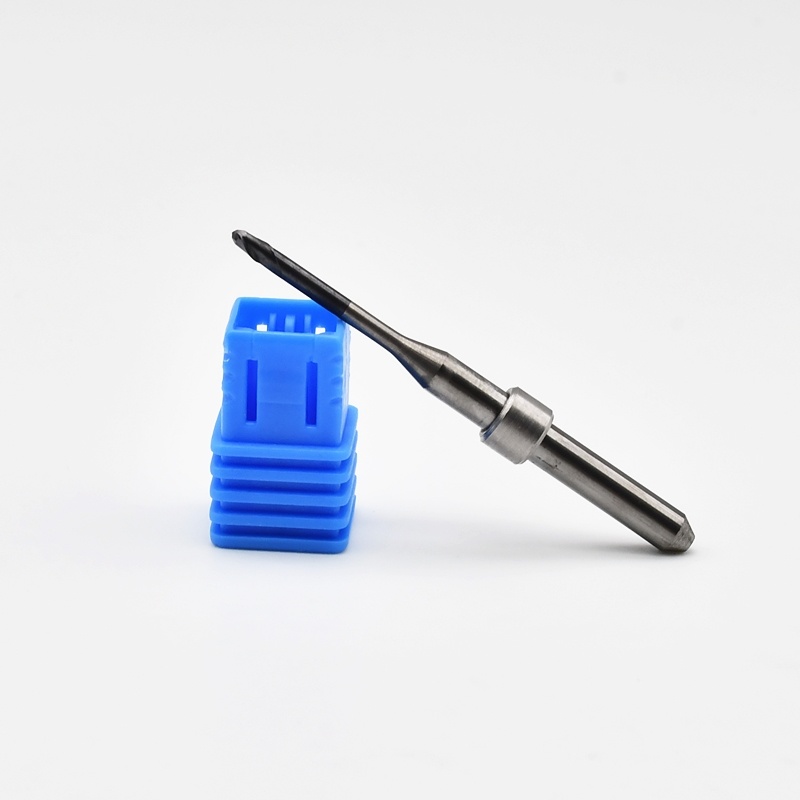
Progress in digital making has changed how modern milling burs get designed and applied. With computer-aided design (CAD) fine-tuning methods, builders can now model stress spread on cutting sides. They refine shapes before making starts. This leads to tools that make cleaner slices with less shaking. It boosts both exactness and user ease.
Better cooling setups have turned common in many new systems too. By adding liquid paths or air-cooling routes right into the spindle part, heat build stays low. This holds even at speeds over 60,000 rpm typical in CAM materials handling.
Automation also raises steadiness via feedback circles. Sensors inside machines link to software controls. They tweak settings on the fly using live load info from each bur.
What Are the Latest Trends in Milling Bur Development?
New ideas stress smart linking and green ways in making networks. Built-in sensors allow live checking of tool wear ways. This lets planned upkeep times that stop pauses. At the same time, it tunes cost output over making rounds.
Alongside this digital shift grows a bigger aim at earth-friendly material growth. It seeks to cut eco harm without losing mechanical strength. Reusable bases with low-rub layers aid in dropping energy use during work. This moves toward cleaner making habits in fields using ceramic burs in dentistry or factory cutting.
XANGTECH: Pioneering Excellence in Milling Bur Technology
What Makes XANGTECH’s Products Stand Out in the Market?
Al XANGTECH, we boast in pushing dental tech via fresh-design rules that make our goods different from usual fixes. Our range of zirconia dental bur applications blends top cutting exactness with peerless lasting power over many repair steps.
XANGTECH pledge goes past function. We care as much about user ease. We design tools that match all main open CAD/CAM setups worldwide. This gives smooth fitting into current flows without extra tuning needs.
How Does XANGTECH Ensure High Standards in Their Manufacturing Process?
We keep tight quality checks at every step. This runs from raw stuff picking to last review. It promises evenness across lots. Every XANGTECH good faces full testing under fake work conditions. These match daily real scenes in labs.
Our study group keeps probing new tech like better layer mixes. They target next-gen CAM systems. These can handle harder ceramics quicker than before. Yet, they keep surface evenness key for patient ease after fixes.
By mixing top building know-how with strict test rules tied to world dental bur quality marks, we make sure every expert using our goods gets steady top work. It comes backed by solid help services fit to changing field wants.
Domande frequenti
Q: What Factors Should Be Considered When Choosing a Milling Bur?
A: The choice depends on the material being milled—such as zirconia or PMMA—the desired surface finish quality, machine compatibility within CAD/CAM setups, and specific operational parameters like rotation speed tolerance levels required by your system configuration.
Q: How Often Should Milling Burs Be Replaced to Maintain Efficiency?
A: Replacement frequency varies based on workload intensity. However, regular inspection after each production cycle helps identify early signs of wear, ensuring optimal results throughout extended usage periods typical within digital labs employing burs for CAD/CAM systems.
Q: Can Improper Use of a Milling Bur Affect Its Lifespan?
A: Yes. Utilizing any tool outside its intended application can accelerate degradation leading ultimately toward premature breakage thereby compromising both efficiency metrics and overall restoration accuracy outcomes associated with professional-grade best dental burs solutions offered today by XANGTECH.







 Italian
  English
  Spanish
  Russian
  French
  Japanese
  Portuguese
  Arabic