How to Choose Dental Milling Burs for CAD/CAM Systems: Materials, Coatings, Sizes, and Compatibility

How to Choose Dental Milling Burs for CAD/CAM Systems: Materials, Coatings, Sizes, and Compatibility

How to Choose Dental Milling Burs for CAD CAM Systems Materials, Coatings, Sizes, and Compatibility

What Are Dental Milling Burs and How Do They Work in CAD/CAM Systems?

The Function of Dental Milling Burs in Digital Dentistry

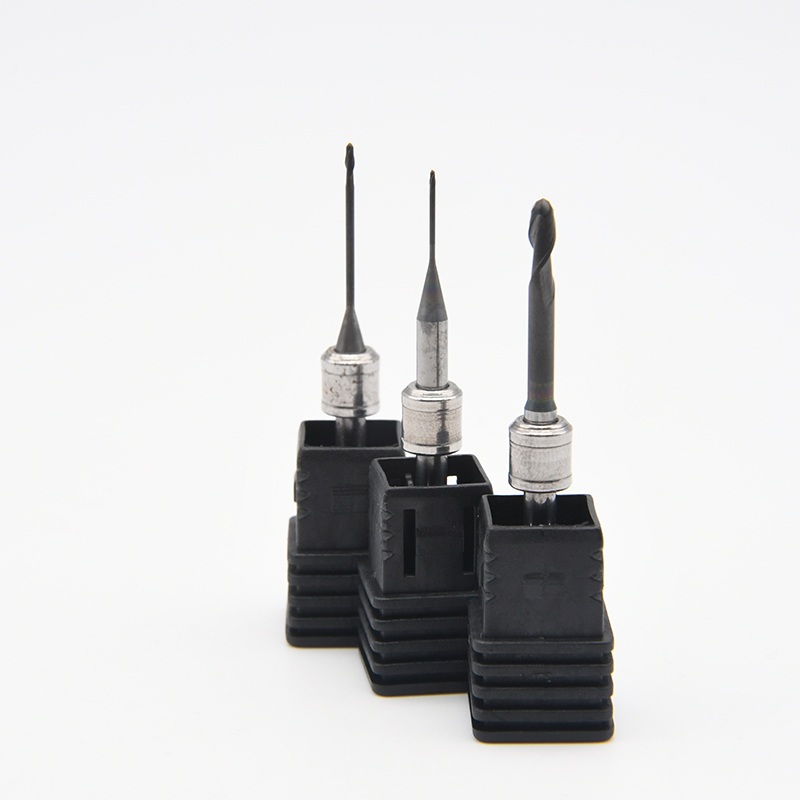
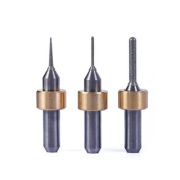
Dental milling burs are carefully crafted tools. They hold an important place in digital dentistry. These burs work inside CAD/CAM systems. They shape dental restorations by taking away material from blocks or discs. Such blocks or discs come from ceramics, zirconia, or composite resins. The sharpness of the burs, along with their geometry and cutting edge, affects how accurate the restoration becomes. It also influences how smooth the surface finish turns out.
「 The CEREC 3 フライスバー is simple to operate and efficient, and is designed to provide an immediate chairside restoration solution. It is designed specifically for dental clinics and can quickly process common restorative materials such as glass ceramics and composite resins. This demonstrates how milling burs dental solutions integrate seamlessly into clinical workflows for rapid production.

In modern CAD/CAM systems, dental milling burs perform both roughing and finishing tasks. During roughing, they remove large volumes of material efficiently. Finishing stages rely on micro-burs for precision work to achieve fine anatomical details on crowns or veneers. The combination of these functions ensures that restorations fit accurately within the patient’s oral anatomy.

Types of Dental Milling Burs Used in CAD/CAM Systems

There are several types of CAD/CAM milling burs designed for specific stages of fabrication:

*Roughing burs– These larger-diameter tools are used for bulk material removal at the beginning of the process.

*Finishing burs– Smaller-diameter burs refine contours and polish surfaces for high aesthetic quality.

*Special-purpose burs– Tailored for specific materials such as titanium or PMMA, providing optimized performance for each substrate.

Wieland milling burs are versatile, suitable for dental labs and larger production systems. They can mill zirconium block, wax, PMMA, composites, and hybrid ceramics. This versatility illustrates how different types of zirconia milling burs can be adapted across materials to enhance efficiency.

Why Are Burs for CAD/CAM Systems Essential for Accuracy?

Precision in digital dentistry depends heavily on selecting appropriate burs for CAD/CAM systems. A well-matched bur ensures dimensional accuracy and a superior surface finish. Using an incorrect bur type may lead to chipping at margins. It may also create uneven surfaces that compromise restoration fit. Proper calibration between software parameters and tool geometry enhances consistency across multiple units produced within one workflow.

How to Select the Right Bur Material for Your CAD/CAM System

Common Materials Used in Dental Milling Burs

炭化タングステン Burs

Tungsten carbide burs stand out as a popular choice. Their toughness and durability against wear make this possible. They prove great for shaping softer materials. PMMA discs or wax blocks count as good examples here.
Wieland milling burs adopt high-hardness tungsten steel material, bringing you high quality and fine results for milling crowns. This highlights their durability during long production cycles.

ダイヤモンドコーティングバース

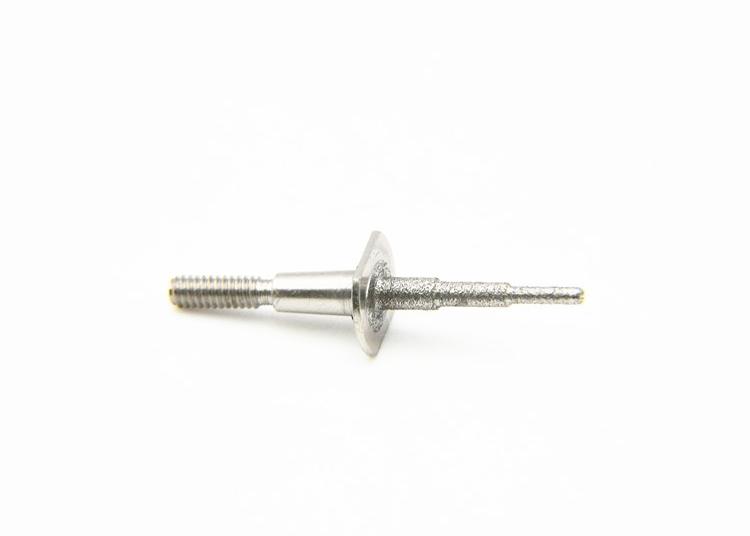
Diamond-coated dental zirconia milling burs offer excellent cutting efficiency when working with hard ceramics like zirconia or lithium disilicate. The coating maintains sharpness over extended use. It also reduces replacement frequency while ensuring consistent quality output.

How Does Material Choice Affect Performance?

Bur material directly influences performance characteristics such as heat generation, wear rate, and cutting speed. Harder materials like diamond coatings improve precision. Yet they can produce more frictional heat. Coolant management, therefore, becomes essential. Softer materials like carbide minimize vibration. They wear faster under heavy loads.

Exploring Bur Coatings: Which One Should You Choose?

Types of Coatings and Their Benefits

Diamond Coating

Diamond coatings make tools last longer. This helps when cutting hard materials. Zirconia blocks and hybrid ceramics count as examples. The coatings lower friction as the cutting happens.

Titanium Nitride (TiN) Coating

TiN coatings lower friction levels between tool and workpiece. They also extend lifespan during continuous operation cycles.

Nano-Coatings and Hybrid Layers

These combine multiple coating technologies to balance hardness with flexibility. They work well when switching between different restorative materials.

How Do Coatings Influence Milling Efficiency?

Proper coating selection minimizes tool wear while improving surface quality on milled restorations. Enhanced lubrication from advanced coatings prevents overheating during long sessions of CAD/CAM milling burs operation.
Roland zirconia milling burs support dental professionals as they make premium dental restorations. These burs deliver strong cutting performance. They also ensure long-lasting durability. In addition, they provide accurate precision. This fact shows that coated tools hold up well. They work efficiently even in the tough conditions found in most lab settings.

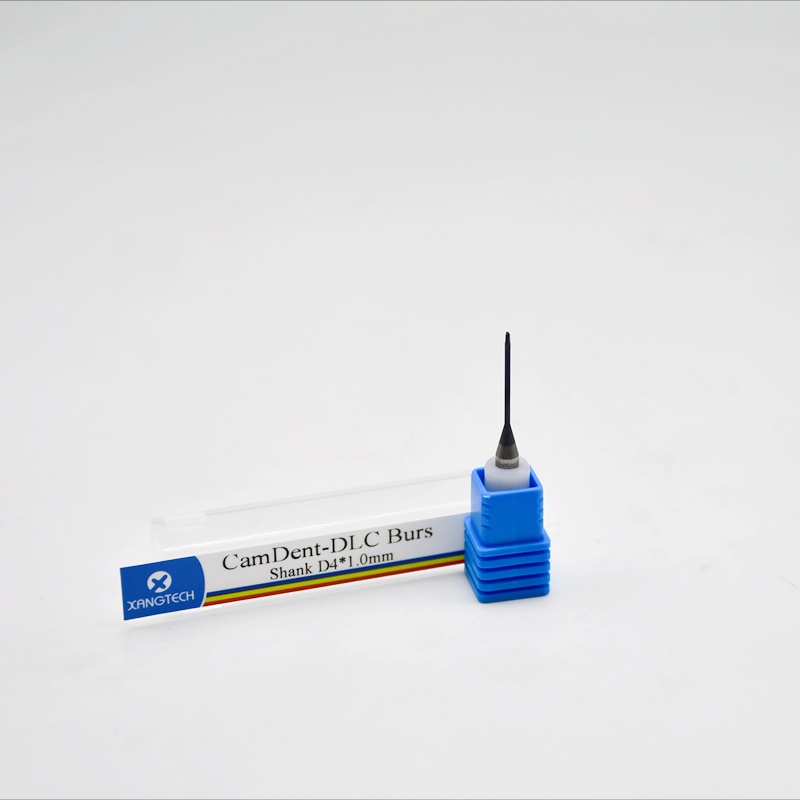
Camdent フライシング Bur

What Bur Sizes Are Suitable for Different Restorations?

Understanding Diameter Options in Milling Burs

Large-Diameter Burs (2–2.5 mm)

Used primarily during roughing stages to remove bulk material quickly without compromising stability.

Medium-Diameter Burs (1–1.5 mm)

Ideal for intermediate contouring steps where detail begins to emerge but structural strength remains necessary.

Small-Diameter Burs (0.3–1 mm)

These micro-burs for precision work handle intricate details around occlusal surfaces or margins requiring delicate control.

How to Match Bur Size with Restoration Type?

Crowns generally require both large- and medium-diameter tools. Large ones expedite shaping while medium ones refine contours before final polishing. Veneers rely more on smaller diameters since thin profiles demand precise edge definition without overcutting fragile ceramic layers.

Ensuring Compatibility Between Burs and CAD/CAM Systems: What Should You Check?

Factors Affecting Compatibility with Milling Machines

Compatibility checks ensure optimal performance between dental CAD/CAM milling burs and machinery:

*Shank size alignment with spindle holders prevents vibration.

*Software calibration parameters must correspond precisely with bur specifications.

*Toolpath programming should reflect correct diameter settings to maintain geometric integrity.

VHF’s milling cutter design focuses on high precision and efficient cutting, using high-quality materials (such as diamond coating) and has optimized geometry to ensure that it remains sharp during high-speed and high-load milling. This emphasizes how software-hardware synchronization sustains accuracy throughout operations.

Common Issues When Using Incompatible Burs for CAD/CAM Systems

Using incompatible tools can cause excessive vibration. This leads to premature breakage or reduced accuracy in milled restorations. Incorrect RPM settings may also cause overheating or tool failure. Both outcomes prove detrimental to restoration quality.

XANGTECH: Precision Engineering in Dental Milling Solutions

About XANGTECH’s Expertise in CAD/CAM Milling Tools

At XANGTECH, we specialize in producing high-performance CAD/CAM milling burs engineered specifically for digital dental workflows.

XANGTECH 社 reflects our dedication to excellence across all product lines—from zirconia blocks to advanced digital equipment. Our range includes carbide-based tools as well as diamond-coated options tailored to various substrates such as zirconia, PMMA discs, resin composites, or titanium alloys used within modern laboratories.

Our team continuously refines manufacturing processes through international standards compliance. This ensures every batch meets stringent tolerance requirements suited for both chairside clinics and full-scale laboratories worldwide.

Amann Girrbachフライス2

Key Features of XANGTECH Dental Milling Burs

Advanced Material Technology

We utilize high-density tungsten carbide sourced from trusted suppliers. This ensures consistent cutting performance even after prolonged use under heavy load conditions. It mirrors industrial-grade durability standards found in our other products, like porcelain furnaces or sintering machines described within our catalogues.

Optimized Coating Techniques

Our proprietary multi-layer coating methods extend tool life while maintaining razor-sharp edges through repeated cycles. They prove ideal when processing dense ceramic structures like super translucent zirconia blocks that demand stability under thermal stress conditions similar to those found inside sintering furnaces operating at 1650 °C.

System Compatibility

All our dental milling burs are designed for seamless integration with major global CAD/CAM systems. They ensure stable operation across diverse setups, whether in dry or wet environments. This works just as our XT50 Milling Machine guarantees “accurate and consistent milling outcomes” through advanced automation technology cited in our technical documentation.

FAQについて

Q: How often should I replace dental milling burs?

A: Regular replacement depends on usage intensity, material hardness, and coating type. It typically occurs after 20–50 units are milled to maintain dimensional accuracy throughout production runs.

Q: Can I use the same bur set for different materials?

A: It’s best practice to dedicate separate sets of zirconia milling burs versus PMMA cutters since cross-use leads to contamination affecting surface finish consistency across cases.

Q: What factors influence the lifespan of a milling bur?

A: Factors include bur composition quality, such as tungsten carbide versus diamond-coated, spindle speed calibration accuracy within your system software settings, coolant flow management preventing heat buildup during extended runs, plus adherence to proper cleaning protocols after each session.


共有する:

関連ニュース

How to Choose Dental Milling Burs for CAD CAM Systems Materials, Coatings, Sizes, and Compatibility
How to Choose Dental Milling Burs for CAD/CAM Systems: Materials, Coatings, Sizes, and Compatibility

お問い合わせ