



The Importance of Milling Burs in Dental Laboratories
What Role Do Milling Burs Play in Digital Dental Fabrication?
Milling burs serve as vital parts in digital dental production, especially in CAD/CAM dental systems. These tiny but key tools handle shaping, cutting and polishing dental prosthetics like crowns, bridges, inlays and veneers. The accuracy and detail of these prosthetics depend greatly on how well the milling bur works.
They affect the exactness, surface smoothness, and durability of prosthetic parts. A bur that makes neat, precise cuts guarantees a better fit and polish for the patient’s prosthetic. Plus, choosing the right bur influences output and cost savings in dental labs. Smooth cutting leads to quicker processing times and reduced strain on milling devices.
How Are Milling Burs Constructed and What Materials Are Commonly Used?
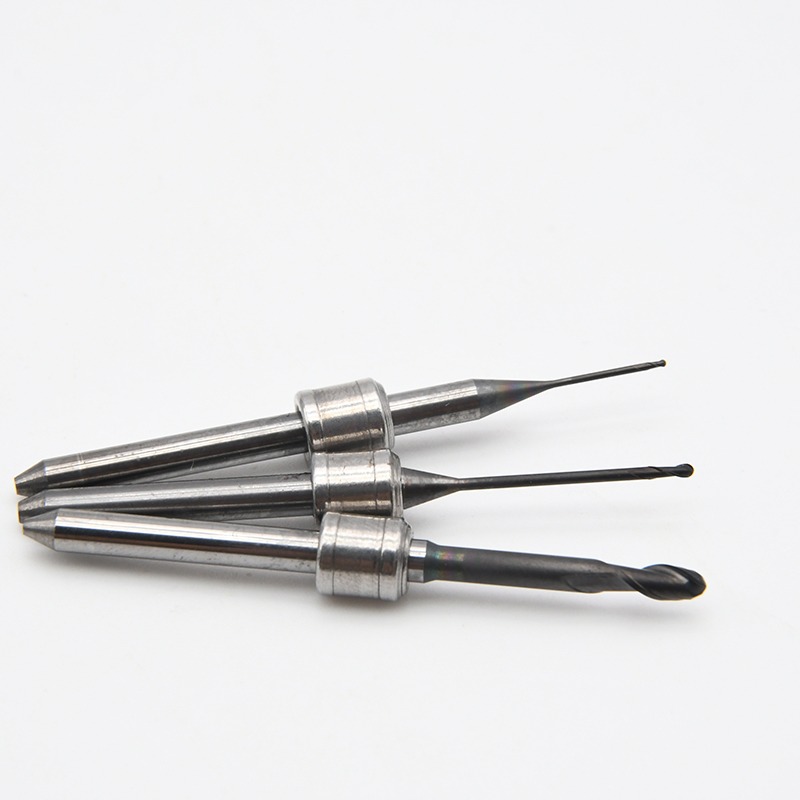
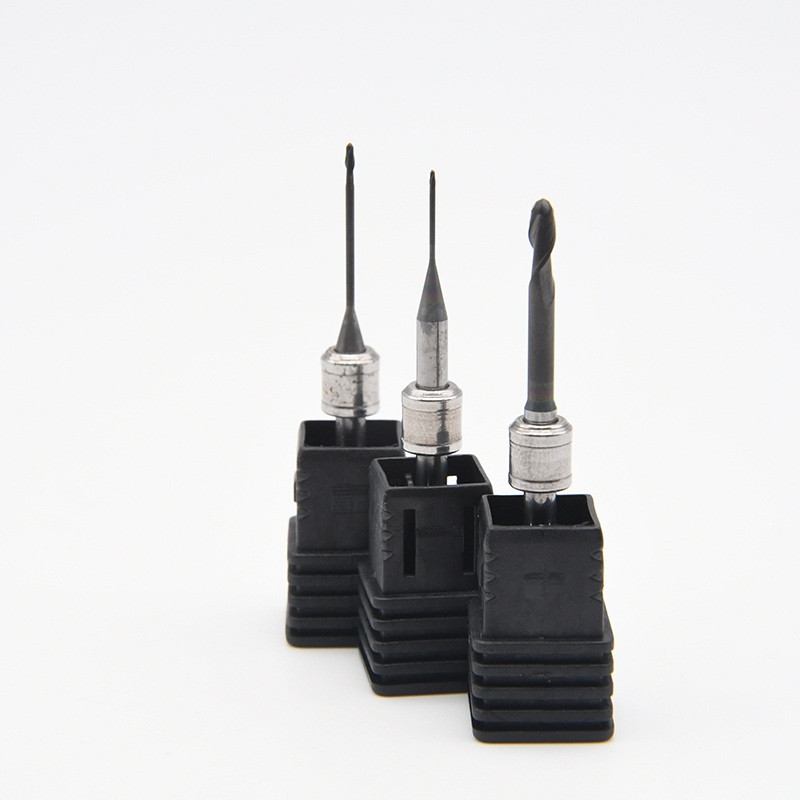
The build of a milling bur affects its toughness and efficiency. Most milling burs come from tungsten carbide because of its strength and ability to resist damage. Some get extra treatments like diamond or diamond-like carbon (DLC) coatings to lengthen their use.
The shape, flute pattern, and coating impact cutting speed and duration. For instance, burs with improved flute shapes remove material quicker and more precisely. Differences in form and size also ensure they work with various materials and milling machines.
Key Considerations When Choosing Milling Burs for 2025
What Factors Should Dental Labs Evaluate Before Purchasing a Milling Bur?
Dental labs need to review several performance aspects before picking a milling bur. Matching with particular CAD/CAM dental systems is essential for the best results. Not every bur suits or performs the same way on all machines.
The material kind is another vital point. Zirconia, for example, needs a tougher, longer-lasting bur than softer ones like wax or PMMA. Duration, cutting pace, and surface quality matter as performance measures. Checking these helps keep steady quality, cut downtime, and lower replacement expenses.
How Can Milling Bur Performance Be Optimized in Daily Lab Operations?
To get the most from milling burs in terms of length and correctness, labs should follow good care and handling methods. Routine cleaning and right storage prolong tool life and keep precision. Applying the proper spindle speed and feed rates suited to the material helps avoid too much damage.
Watching for signs of wear, like slower cutting or coarser finishes, lets technicians plan replacements at the right time. Tracking wear signs aids in scheduling timely swaps to prevent mistakes in prosthetics.
Introducing XANGTECH’s 2025 Milling Bur Solutions for Dental Laboratories
Who Is XANGTECH and Why Are Their Milling Burs Trusted by Professionals?
We at XANGTECH focus on top-quality milling burs built for accurate dental production. With 11 years of know-how, Nanyang Liandong Biotechnology Co., Ltd. deals in dental lab supplies and gear, including zirconia blocks, glass ceramics, PMMA discs, milling burs, and dental 3D scanners.
Our goal is to offer complete solutions and great support to dental experts around the world. We stress fresh ideas, device matching, and tight quality checks. Our burs earn trust from labs in more than 20 countries due to their reliability and strong output.
What Are the Unique Features of XANGTECH Roland Zirconia Milling Burs?
Roland zirconia milling burs aid dental experts in making fine dental prosthetics through their strong cutting ability, sturdiness, and great accuracy. Our burs use tungsten carbide and get DLC or diamond coatings to boost their lifespan.
XANGTECH Roland milling burs match fully with DWX-52D/DWX-52DCi/DWX-42W. They provide even surface finishes on zirconia with little chipping or heat harm. A DLC coated bur can handle 150 to 200 units of zirconia crowns. A diamond coated bur can manage 400 to 500 units of zirconia crowns.
How Do XANGTECH Wieland Milling Burs Enhance Lab Productivity?
Wieland milling burs work well in many settings, from small dental labs to big production lines. Our Wieland-compatible burs deal with zirconia, PMMA, wax, composites, and hybrid ceramics without trouble.
They offer high detail for tricky shapes and suit detailed crown and bridge work. The DLC and diamond coatings let our burs process up to 500 units per tool in ideal setups. Their long use keeps cutting power steady and cuts down on frequent change costs.
Why Choose XANGTECH Camdent Milling Burs for Precise Restorations?
Camdent zirconia milling burs slice cleanly and fit for finishing and adjusting various prosthetics. Our Camdent-compatible burs give solid size control over many CAD/CAM systems.
Camdent zirconia burs see wide use in dental prosthetic tasks. They mainly cover zirconia prosthetic tweaks, used for trimming and adjusting zirconia all-ceramic crowns, inlays, veneers, and other prosthetics. Their even design cuts down shaking during fast runs.
What Sets XANGTECH VHF Milling Burs Apart from Other Options?
VHF milling cutters find broad use in creating all-ceramic crowns and bridges. Our VHF-compatible burs have close tolerances that fit VHF machine needs exactly.
The diamond coating brings top results when handling thick materials like zirconia. These burs always give smooth surface finishes that lessen the call for after-work tweaks.
How Do XANGTECH Amann Girrbach Milling Burs Support Complex Restorative Designs?
XANGTECH milling bur can process materials with 10mm-25mm thickness. Made just for Amann Girrbach systems, our burs make detailed edge finishing simple.
Amann Girrbach zirconia milling bur uses diamond coating or diamond-like carbon, which offers fine hardness, damage resistance, and rust resistance to deal with strong materials well. They suit full-contour zirconia crowns where exact details count most.
FAQ
Q: What Is the Average Lifespan of a Dental Milling Bur?
A: The lifespan changes with the material cut, spindle speed, cooling setup, and how often it’s used—but usually spans 20 to 60 units per bur if handled right.
Q: How Often Should I Replace My Zirconia Milling Bur?
A: Swap your bur when wear shows up—such as more chipping, coarser surfaces, or slower cutting—to keep prosthetic quality high.
Q: Can One Type of Bur Be Used Across All Materials Like Zirconia, PMMA, or Wax?
A: No; though some burs serve multiple uses, picking burs for specific materials yields better outcomes—zirconia calls for sturdier burs than soft ones like wax or PMMA.







 English
  Spanish
  Russian
  Italian
  French
  Japanese
  Portuguese
  Arabic