
The Science Behind Lithium Disilicate Crowns
What Makes Lithium Disilicate Unique in Modern Dentistry?
Lithium disilicate is a glass-ceramic material. It has changed restorative dentistry. This change comes from its mix of durability, clarity, and flexibility. Experts value it for copying the natural light effects of enamel. That makes it perfect for front and back tooth fixes. Dental pros often compare lithium disilicate vs zirconia. They note that zirconia gives top strength. But lithium disilicate offers better looks and light spread.
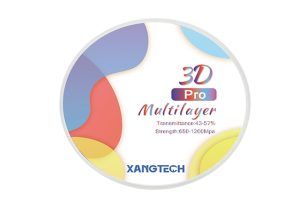
XANGTECH lithium disilicate provides key benefits for dental fixes. It shows strong chemical steadiness and great bending power. These traits help the lasting quality and dependability of the final dental piece. This blend of solid build and visual appeal lets restorers create real-looking fixes. They hold up against everyday stresses. The glass-ceramic makeup keeps a good mix of toughness and charm.
Also, lithium disilicate blocks work well with cutting tools. This material suits milling nicely. It cuts down on tool wear and makes them last longer. That boosts work flow. The easy crystal-forming step also speeds up lab tasks by cutting down on wait times. These points make lithium disilicate crowns one of the top choices in digital dentistry now.
How Does Lithium Disilicate Achieve Natural Shade Harmony?
The crystal setup of lithium disilicate lets light go through like real enamel. That is why lithium disilicate dental items give such true outcomes. Its light traits help fixes blend smoothly with nearby teeth. They create a smooth smile without clear lines between crown and tooth.
Techs can tweak clarity levels while making them. This matches the nearby teeth exactly. With set heating cycles, they can adjust small color shifts. That recreates natural changes in tone and depth. The flexibility of lithium disilicate crowns keeps even tricky beauty cases steady across many pieces.
New color-matching tools pair with digital aids. They boost this accuracy. Clinicians get steady results even in varied light. This skill makes lithium disilicate a top pick for folks wanting real-looking fixes. These copy the shine of natural enamel.
Achieving Dental Harmony Through Precision and Aesthetics
Why Is Shade Matching Critical for Smile Design?
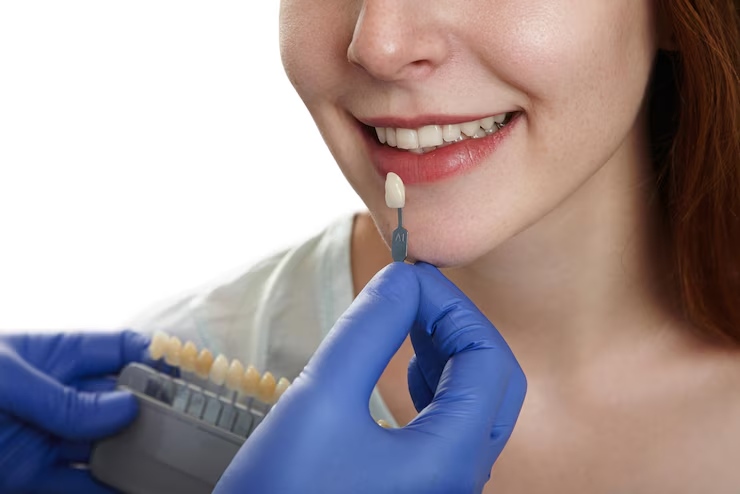
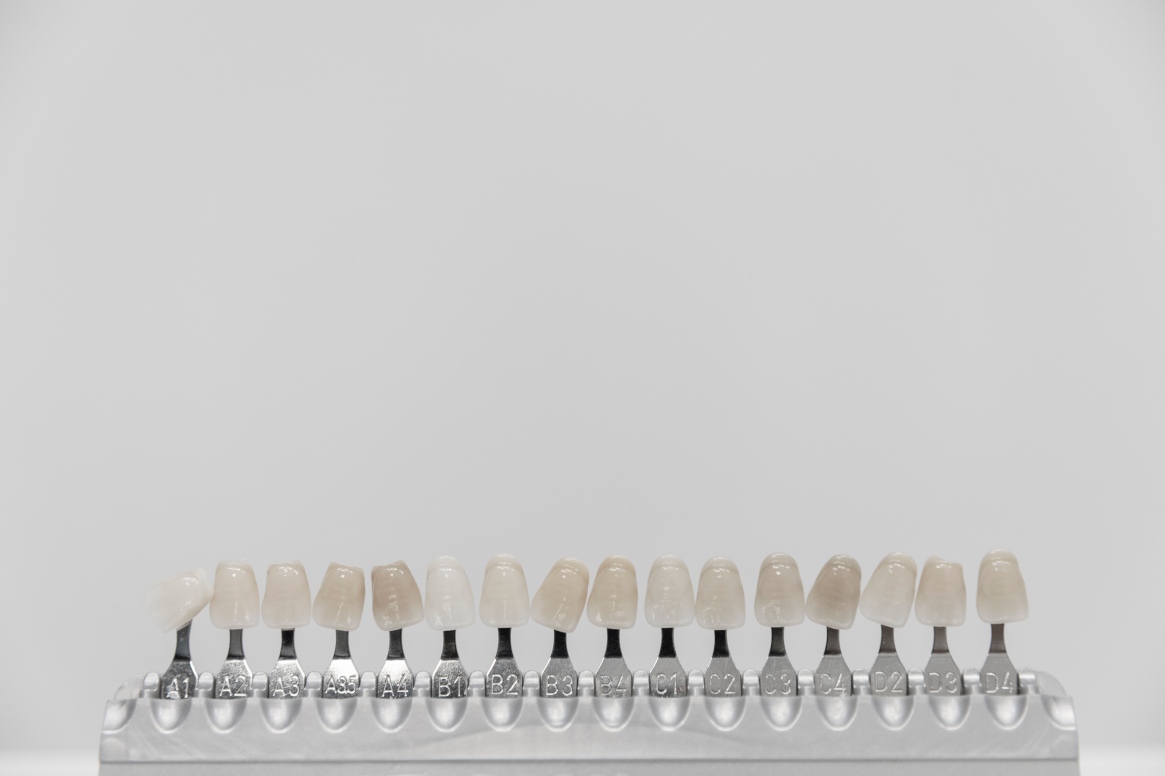
In beauty dentistry, color balance is key for good results. Right color picking makes sure dental fixes fit face traits. They look just like real teeth. When planning smiles with lithium disilicate crowns, doctors think about tone (color type), depth (strength), and light level (brightness). This creates evenness in the smile row.
Modern color guides aid pros in finding the best match to the patient’s teeth. Digital color check tools improve this. They measure color numbers clearly. That leads to steady results over many fixes or full mouth changes. For patients curious about what is lithium disilicate crown, it is a fix made for both power and exact color fit.
Techniques for Perfect Shade Reproduction with Lithium Disilicate
Layering Techniques for Enhanced Aesthetics
Layering methods are main for getting depth and life in ceramic fixes. Techs apply thin porcelain layers over the lithium disilicate base. This copies small changes in real enamel. Staining and shining steps adjust surface color and feel. The result is crowns with clarity shifts like true teeth.
This way works well with lithium disilicate crown items for front cases. There, light bounce affects looks a lot. Each layer adds to the full realness. It keeps the strong build too.
Optical Adjustments During Fabrication
Handling light traits while making them lets techs adjust brightness and clarity by tooth spot. For example, denser blocks suit back teeth. They need power more than see-through. While clearer blocks boost looks in front spots.
Changing heat levels can adjust these. It affects crystal size in the ceramic base. This is a key step for copying enamel-like glow. Such care makes sure every disilicate crown gets both working strength and sight balance.
Clinical Application of Lithium Disilicate Crowns
How Are Lithium Disilicate Crowns Fabricated?
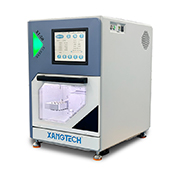
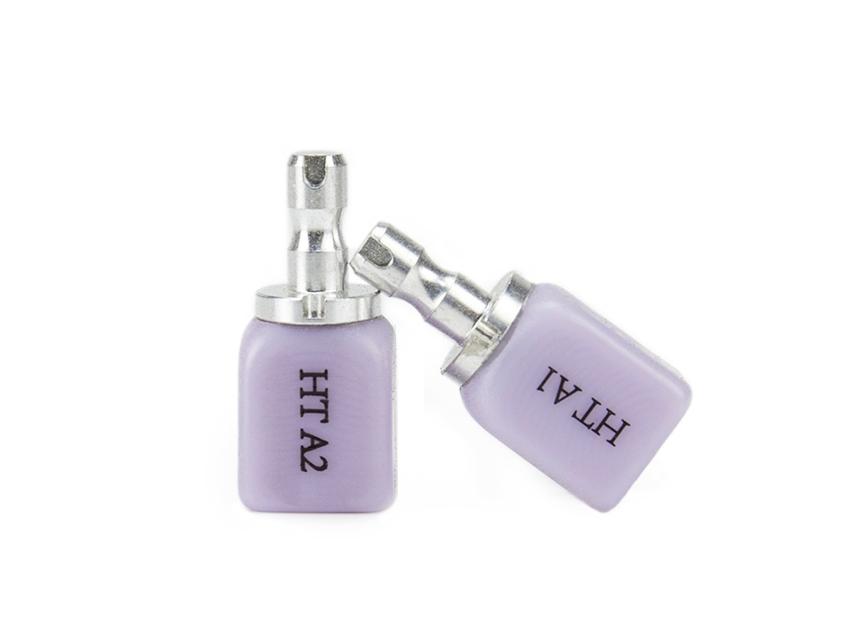
The making process starts with digital planning using CAD/CAM tech. CAD/CAM setups cut blocks into exact crown forms before crystal forming. Once cut, these soft forms get steady heat care. That turns them into full crystal glass ceramics with best strength traits.
Full crystal lithium disilicate blocks cut down on handling time. They keep strength. After cutting and crystal forming, smoothing or shining steps finish the fix’s surface shine. This copies the even feel of natural enamel. It also ensures safe fit in the mouth.
The outcome is a strong fix. It fights wear from chewing forces. It keeps beauty shine over many years. That makes it fit for tough uses like lithium disilicate bridges or veneers.
Factors Influencing Long-Term Performance
Bonding Protocols for Optimal Adhesion
Lasting quality relies a lot on right bonding steps. Surface roughing with hydrofluoric acid, then silane use, builds firm stick between ceramic and cement layers. Two-part resin cements are suggested. They ensure good setting even in spots with little light, like back teeth.
These steps together boost hold power under work loads. This is vital when looking at long-term checks like lithium disilicate crowns vs zirconia choices.
Maintenance Tips for Longevity
Regular care stretches fix life a lot. Usual cleaning visits stop plaque build at edges. There, small leaks could weaken stick over time. Patients should skip hard bite forces too. Mouth guards at night help for grinding cases with lithium teeth fixes.
Good upkeep makes these fixes last 10–15 years or more. It depends on personal habits. This shows progress in material tech and doctor skills in lithium disilicate in dentistry.
XANGTECH: Advancing Dental Ceramics with Precision Innovation
What Sets XANGTECH’s Lithium Disilicate Products Apart?
At XANGTECH, we focus on advanced dental items. We build them for exact cutting and steady beauty results in all fix uses. Our lineup has top ceramic glass options like lithium disilicate in our “Restoration Materials” area.
XANGTECH lithium disilicate gives big pluses for dental fixes. It has high chemical steadiness and strong bending power. These ensure long life under work stress. It keeps top clarity like natural enamel.
We make our full crystal lithium disilicate blocks to ease work flows. They cut after-steps without losing quality or strength trust. Our aim is to help dental pros with items that give sure results. They mix exact build with creative room needed in today’s smile plans.
Applications of XANGTECH’s Advanced Ceramics in Clinical Practice
Benefits for Dental Professionals and Patients Alike
Our items let dentists get steady outcomes. They use easy making steps backed by CAD/CAM fit with main systems. Patients gain from fixes that copy the look and touch of real enamel. This is a main point for joy in those getting lithium disilicate crowns or veneers from our items.
By adding new ideas to every part—from base material mix to last polish—we keep pushing restorative dentistry. We aim for more speed, rightness, and beauty skill worldwide.
FAQ
Q: Are lithium disilicate crowns stronger than traditional porcelain crowns?
A: Yes, they show much higher bending strength than usual porcelain items. This comes from their tight crystal setup. It makes them great for back load spots. They keep fine clarity linked to porcelain looks.
Q: Can lithium disilicate crowns be used for patients with bruxism?
A: They hold up for medium bite forces. But for bad grinding, patients need night guards. This cuts risk of chips or wear on their disilicate crowns over time.
Q: How long do lithium disilicate crowns typically last?
A: With good bonding and care routines—like regular visits—these fixes can last 10–15 years or more. It depends on mouth cleaning and bite habits for each case’s needs.







 English
  Spanish
  Russian
  Italian
  French
  Japanese
  Portuguese
  Arabic