
What Are CAD CAM Milling Burs and How Do They Work?
What Is a CAD CAM Milling Bur Used For in Dental Labs?
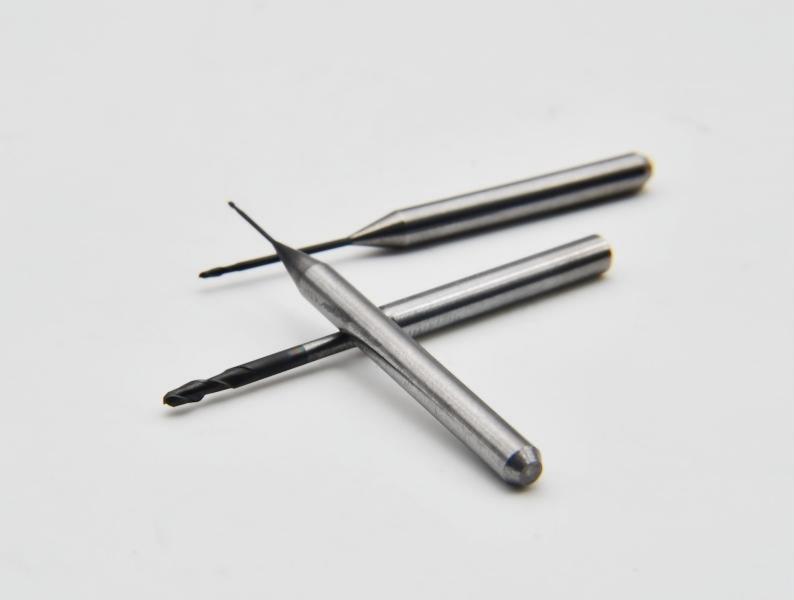
Spinning tips inside CAD CAM milling machines carve precise parts for teeth fixes. Found working quietly in dental tool setups, they play a key role today in digital dental work. With smooth motion, these bits allow quick, accurate creation of crowns, bridges, veneers, among similar items. These tools handle chopping, shredding, and shaping tough substances – zirconia, PMMA, wax, and ceramics – with sharp precision. Because they slice so cleanly, dentists can replicate digital details without endless hand-operated tweaks.
Inside, these burs link up without hassle to CAD and CAM platforms. Once a dental piece gets a digital blueprint, the machinery turns raw data into real parts. Instead of melting metal, they shape it straight from hard pre-cut pieces made of the same stuff.
How Does the CAD CAM Milling Process Operate?
A picture of the mouth – taken by scanner inside the jaw or in a lab – kicks things off. From that file, an expert builds the new dental piece using special design tools. Once shaped, the plan moves to a machine that brings it to life. A setup shapes how the milling machine works. It takes a suitable cad-cam tool – often a milling bur – to carve replacements from materials like zirconia, PMMA, or ceramic glass.
From a dense piece of material, the bur cuts away the replacement. Adhering closely to the digital pattern, it shapes the part. Depending on what needs doing, technicians pick different bur styles – suited to roughing, finishing, or specific tasks. At each step, the choice drives how well the work turns out.
Why Are CAD CAM Milling Burs Essential for Modern Dental Labs?
How Do They Improve Accuracy and Efficiency in Dental Restorations?
With fast rotation, detail tasks get easier while keeping surfaces even. Because of this, switching to another option often needs just tiny extra effort. Precision after cutting reduces hand adjustments afterward. Time stays saved when experts handle tasks. Because cad cam milling burs work consistently well, precise milling happens every time, especially for intricate parts.
When methods stay consistent, the quality of crowns, bridges, inlays, and veneers improves. Because of this steadiness, dental lab work finishes faster, especially when timelines shrink. Patients also notice better outcomes as a result.
What Materials Can Be Processed Using CAD CAM Milling Burs?
CAD CAM milling burs can manage various dental materials:
- Zirconia: Known for strength and biocompatibility.
- PMMA: Used for temporary restorations due to ease of milling.
- Wax: Ideal for testing fit before final fabrication.
- Glass ceramics: Offers aesthetic results for anterior restorations.
From quick fixes for teeth to long-lasting beautiful restorations, these supplies handle many tasks in clinics. Getting them right often means choosing exact bur shapes, tailored just for each job. Outcomes improve when the tool matches the mission.
How Can You Extend the Lifespan of Your CAD CAM Milling Burs?
What Are the Best Practices for Maintenance and Storage?
To sustain peak performance:
- Clean burs after each use to remove debris that can cause wear or corrosion.
- Store burs in dry, organized containers to prevent damage or contamination.
Staying apart in different materials reduces early-wear risks. That setup helps keep cuts precise.
When Should You Replace Your Milling Bur?
Indicators requiring replacement encompass:
- Decreased cutting efficiency, chipped edges, or extended milling durations.
- Regular inspection ensures optimal performance and prevents damage to restorations or machines.
Every day, techs can slip in routine inspections without slowing down. These stay-at-hand tests keep machines running and gear in good condition.
How Do You Select the Right CAD CAM Milling Bur for Your Application?
What Factors Should Be Considered When Choosing a Bur Type?
Picking the right cad cam milling bur comes down to a few key things
- The type of material being processed (e.g., zirconia vs. wax).
- Desired finish (rough milling vs. fine finishing).
- Compatibility with your milling machine’s spindle size and clamping mechanism.
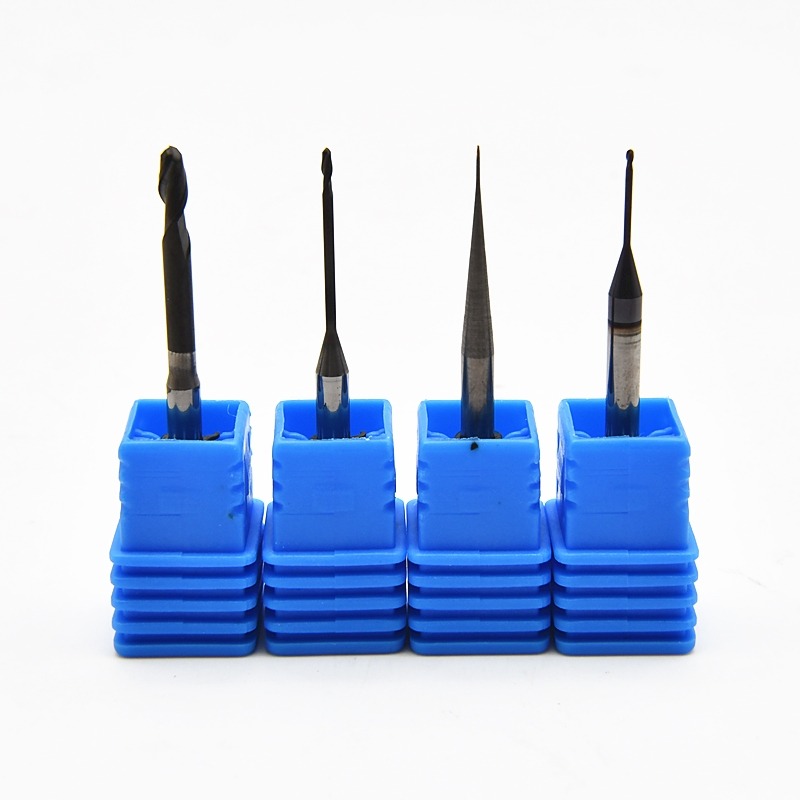
XANGTECH makes several bur sizes, some with DLC or DC coatings. Each type fits unique tasks.
Which Bur Geometries Are Available and What Are Their Uses?
Common Types of Bur Geometries:
- Flat-end burs: Ideal for surface flattening and roughing passes.
- Ball-end burs: Used for contouring and fine detailing work.
- Tapered burs: Suitable for narrow or deep cavity preparations.
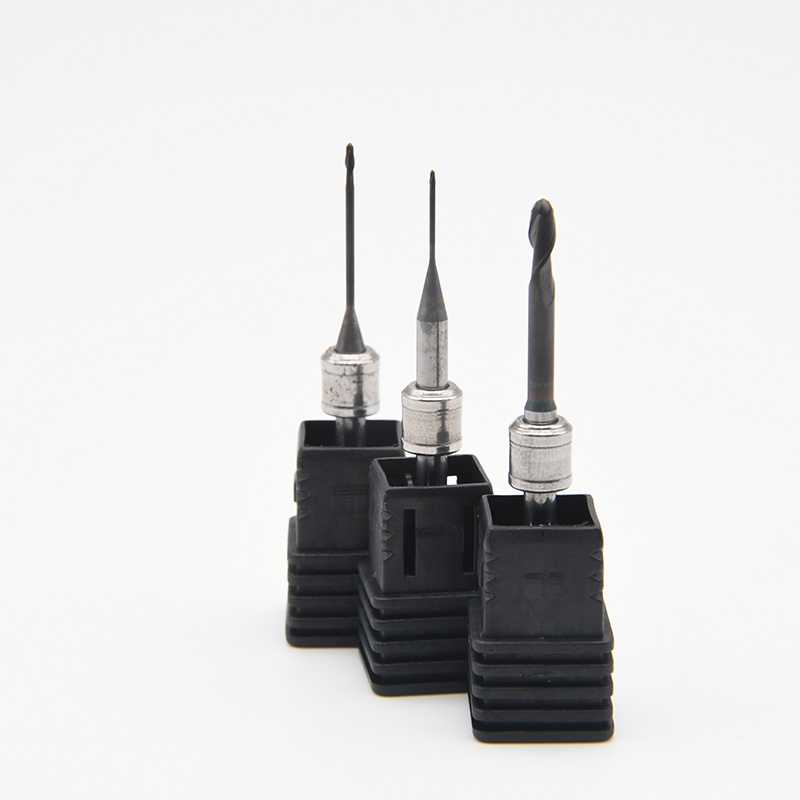
When geometry fits the task, it allows smooth and effective material reduction. This setup also protects the new part’s reliability.
What Makes XANGTECH CAD CAM Milling Burs Stand Out?
Who Is XANGTECH and What Do They Offer to Dental Professionals?
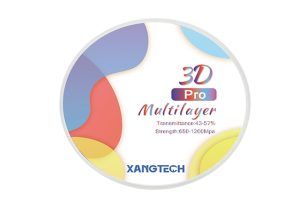
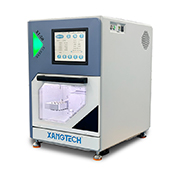
Eleven years into what began, XANGTECH focuses mainly on supplies and tools used in dental labs. Zirconia blocks take shape alongside glass ceramics, while PMMA discs share space with milling burrs. Digital dentistry fits within that scope – milling burs are part of a broader digital setup. Scanners used for three-dimensional imaging also fall under this category. These tools focus on efficiency, accuracy, and how well they work together.
Focused on supporting dentists worldwide, these solutions deliver complete answers alongside top-level support. Every item meets high expectations across global standards. They fit smoothly into workflows using main CAD or CAM tools.
Why Choose XANGTECH Milling Burs Over Generic Alternatives?
From powdery tungsten carbide, our milling burs are built to last. Because they hold up better, replacements come less often. Designed with care, each part cuts fast yet stays stable. Heat doesn’t spike, breaks stay rare – precision shapes performance. These traits matter most when working with delicate items such as ceramic glass, especially ones sensitive to heat or damage.
What’s more, our burs fit right into the mix with lots of machines already used in today’s dental labs. Because of that, they work well in settings where different setups are common.
FAQ
Q: What Is the Typical Lifespan of a CAD CAM Milling Bur?
A: Last thing you’d expect – bur lifespans differ with what they cut plus how often they run. Still, most last between fifty and one hundred fifty cuts before wearing out. Good upkeep helps them last longer than average.
Q: Can I Use One Type of Bur for All Materials?
A: No, different materials require specific bur types optimized for hardness, cutting speed, and heat resistance to avoid damage or poor results.
Q: Are XANGTECH Milling Burs Compatible With My Existing Equipment?
A: Most major dental mills can use XANGTECH burs – yet confirmation matters. Fitment details exist in specs or by contacting their support team.







 English
  Spanish
  Russian
  Italian
  French
  Japanese
  Portuguese
  Arabic