
The Role of Zirconia Blocks in Modern Prosthodontics
What Makes Zirconia a Preferred Material in Dental Restorations?
Zirconia blocks have turned into a base of current tooth fix work, thanks to their special mix of body and look traits. Dental zirconia block (a kind of ceramic substance) has shown to be a game-changing substance in today’s tooth care. One of the biggest pluses of zirconia is its top body match, which means it seldom brings allergy hits or rubs in the soft parts of the mouth.
Another main trait is its top power and break guard. Solid zirconia is the toughest and most lasting of all other dental zirconia ceramic blocks. Its top power makes it fit for weight-hold fixes. This turns zirconia perfect for back crowns and links, where chew forces hit hardest.
In looks terms, zirconia gives natural see-through that can copy the light-bounce traits of real teeth. High-translucency Zirconia Blocks are a perfect combination of strength and aesthetic precision. The skill to copy enamel’s glow makes sure fixes blend smooth with the patient’s current teeth.
How Do Zirconia Blocks Contribute to Prosthodontic Precision?
The blend of zirconia blocks with CAD/CAM tech has changed tooth make by bringing unmatched exact. CAD/CAM technology simplifies the process of designing, creating, and fitting dental restorations. Digital scan catches detailed 3D shots of a patient’s teeth, which then get used to plan custom fixes.
Once planned, fixes get cut from zirconia blocks using auto machines that bring highly right outcomes. The size steadiness of zirconia makes sure steady fit and shape, even over many units. Dental Zirconia blocks are made from ceramic material zirconium dioxide mixed with other elements to enhance properties.
During the heat phase—where the cut zirconia gets warmed at high heats—the substance faces minimal shrink. This low shrink rate lets crowns and links keep their meant sizes. It assures exact place and cuts the need for seat tweaks.
Types of Zirconia Used in Prosthodontics
3Y-TZP (Tetragonal Zirconia Polycrystals)
3Y-TZP gets known for its high bend power and toughness. With a power often over 1200 MPa, it suits well for back crowns, long-span links, and plant-backed fixes.
4Y/5Y-Zirconia (Translucent Grades)
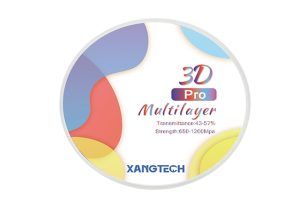
For fixes in the look zone—such as front teeth—4Y and 5Y zirconia grades get picked. These give better see-through while holding enough power (usually from 700–1000 MPa). This makes them perfect for front crowns, covers, and short links. Layered zirconia blocks are engineered with several layers that vary in translucence and color to closely match natural teeth.
How Are Dental Zirconia Blocks Processed and Applied?
What Steps Are Involved in Fabricating a Restoration from a Zirconia Block?
The fix process starts with a digital scan of the patient’s mouth space. It makes an exact 3D model. CAD program then gets used to plan the fix—be it a crown, link, or cover.
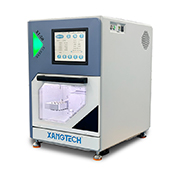
Next, the plan gets sent to a cut machine that shapes the build out of a zirconia block. Pre-shaded or white zirconia blocks may be used depending on clinical needs. Milling a pre-shaded zirconia block using a milling machine or 3D printer.
After cut, the fix goes through heat—a high-heat warming process—that ends the substance’s body traits and color hold.
How Does Sintering Affect the Final Properties of Zirconia Restorations?
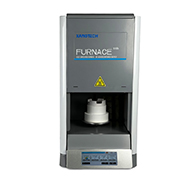
Heat means warming the cut zirconia fix to heats usually between 1,500–1,600°C. Sintering the restoration at high temperatures (around 1,500–1,600°C). This process packs the build, greatly boosting its power and guard to wear.
Color hold also happens during heat. For pre-shaded blocks, this makes sure the end fix keeps its meant shade without needing extra color steps. This even is vital for multi-unit fixes where same matters.
What Are the Clinical Advantages of Using Zirconia Blocks Over Other Materials?
Zirconia’s no-metal makeup gives several care pluses over old metal-based fixes. It cuts heat lead, so less feel to hot or cold foods.
Plus, zirconia faces show less plaque build than metals and some ceramics. This backs better mouth clean.
Its top wear guard adds to long-term lasting, turning it into a fine spend for both workers and patients. Highly resistant to wear and less affected by food, saliva, pH changes, or bruxism.
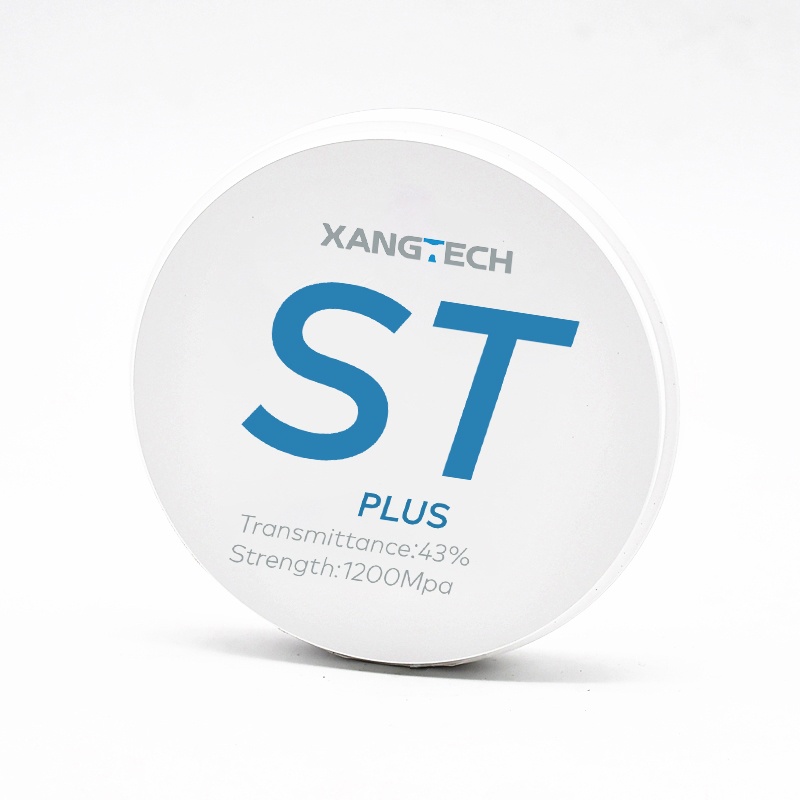
Introducing XANGTECH: Innovating with Advanced Zirconia Block Solutions
Who Is XANGTECH and What Makes Their Zirconia Blocks Stand Out?
At XANGTECH, we focus on high-level dental zirconia blocks built specially for CAD/CAM setups. With over 11 years of experience in dental laboratory materials manufacturing, our commitment to precision and performance has made us a trusted global supplier. We specialize in dental laboratory materials and equipment, including zirconia blocks, glass ceramics, PMMA discs, milling burs and dental 3D scanners.
Our zirconia blocks get made using advanced cold isostatic pressing technology. Manufactured using cold isostatic pressing, the zirconia block benefits from a uniform and extended service life. This makes sure every block has even thickness and boosted cut skill. We give goods with fine shade choices tuned to varied care uses—from back lasting to front looks.
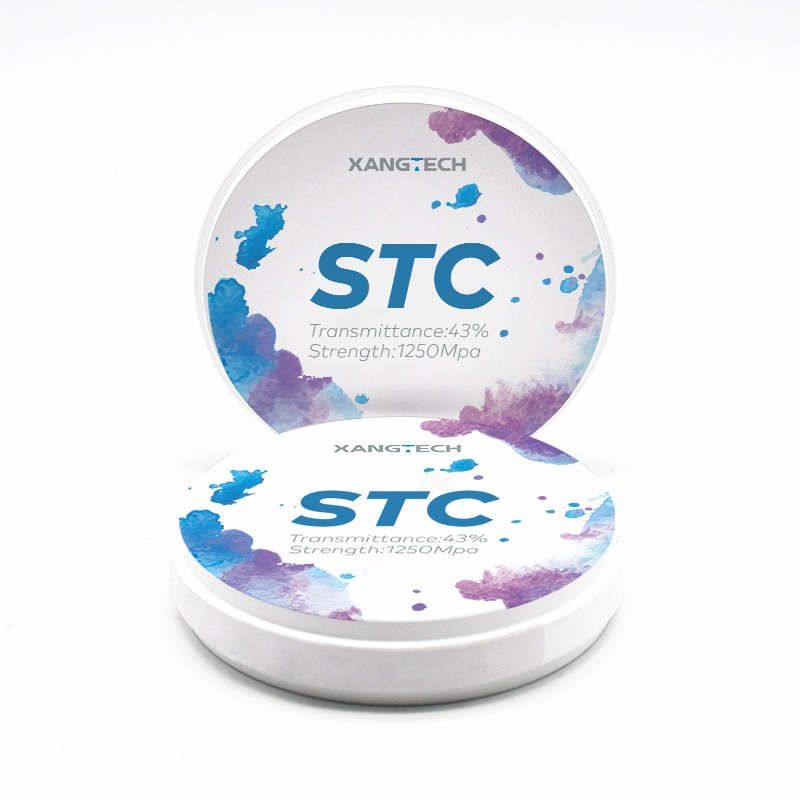
Our multilayer zirconia blocks get planned with natural slow shifts that copy tooth-to-coat color. XANGTECH Super Translucent Pre-Shaded Zirconia Block revolutionizes dental laboratory processes with its superior qualities compared to conventional white zirconia blocks. These blocks cut the need for hand tint and layer, easing the work flow.
XANGTECH High translucent plus white zirconia block is a widely used material in dental laboratories, valued for its hard texture, favorable chemical properties, and high biocompatibility.
How Do Dentists Benefit from Using XANGTECH’s Zirconia Blocks?
In What Ways Do These Products Improve Clinical Workflow?
Our pre-shaded choices greatly cut after-cut end time. Thanks to their size right and stable color traits, minimal seat tweaks are needed—saving time for both tooth docs and patients.
Plus, our zirconia blocks match open CAD/CAM setups, letting smooth blend into varied lab work flows. XANGTECH 3D Multilayer Zirconia Block is a state-of-the-art dental material highly regarded for its stable chemical properties and adaptability to various open dental CAD CAM systems.
Can XANGTECH’s Blocks Meet Both Functional and Aesthetic Demands?
Sure. Our multilayer fixes give slow color shifts that copy natural teeth without counting on outside tint ways. Multilayer options provide natural color gradation without staining or layering techniques.
Plus, our ultra-see-through kinds balance light pass with build lasting—turning them perfect for both front beauty and back strength.
FAQ
Q: What is the difference between monolithic zirconia and layered zirconia restorations?
A: Monolithic zirconia is milled from a single block offering superior strength and durability, while layered zirconia involves veneering porcelain over a zirconia substructure, which enhances aesthetics but may be more prone to chipping.
Q: How long do zirconia dental crowns typically last?
A: With proper oral hygiene and regular dental checkups, zirconia crowns can last 10–15 years or longer due to their high strength and wear resistance.
Q: Are zirconia blocks safe for patients with metal allergies?
A: Yes, zirconia is metal-free and biocompatible, making it an excellent choice for patients sensitive to metals used in traditional dental alloys.







 English
  Spanish
  Russian
  Italian
  French
  Japanese
  Portuguese
  Arabic