
Dental Zirconia Blocks for Restoration Applications
What Is a Dental Zirconia Block and How Is It Used in Restorations?
Dental zirconia blocks are pre-sintered ceramic items commonly applied in restorative dentistry. They help create crowns, bridges, inlays, onlays and implant abutments. These blocks get milled through CAD/CAM dental systems to make exact, tailored restorations. The digital process boosts efficiency. It also guarantees a better fit and finish for every dental prosthetic.
Zirconia stands out due to its outstanding mechanical toughness and superb biocompatibility. This lets it blend nicely with mouth tissues. At the same time, it cuts down on bad reactions. In dental restorations, picking top-quality zirconia blocks can greatly improve the result’s quality, longevity and visual charm. It resists breaks and wear quite well. That’s why it’s great for both back and front restorations.
Plus, CAD/CAM-friendly zirconia brings reliability and foreseeability to restorative results. Precision production and sintering create a tight microstructure in the blocks. This supports lasting performance and looks in everyday dental work.
What Types of Zirconia Are Commonly Used in Dentistry?
Various kinds of zirconia appear in dental clinics. They differ mostly by yttria amount and their key traits:
- 3Y-TZP (3 mol% yttria-stabilized tetragonal zirconia polycrystal) proves the toughest. It gives strong flexural power, perfect for back crowns and bridges.
- 4Y and 5Y zirconia have more yttria. This boosts clarity while trimming strength a bit. Such types work best for front restorations where looks matter most.
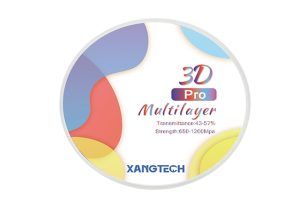
- Multilayer zirconia blocks show a gradual shift in clarity and hue. This copies the natural layers of enamel and dentin.
Multilayer zirconia blocks imitate the levels of real teeth. They mix durability with beauty. This setup lets dentists build restorations that function strongly. They also hit the top marks in cosmetic dentistry.
Key Factors to Consider When Choosing a Dental Zirconia Block
How Important Is Strength vs. Aesthetics in Your Clinical Application?
Finding the right mix of toughness and beauty matters a lot when picking a zirconia block for a specific job. Back restorations need materials with greater flexural strength, often above 1000 MPa. This handles heavy biting forces well. For those, less clear options like 3Y zirconia fit nicely.
On the other hand, front restorations call for strong clarity to match how real teeth let light through. Sure, clearer zirconias like 5Y have a touch less strength, around 600–900 MPa. Yet they deliver better visual results for areas people see.
Matching material features to what the case needs ensures solid lasting power and happy patients.
What Role Does Sintering Temperature Play in Final Restoration Quality?
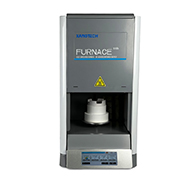
Sintering is a key step in turning milled zirconia into its final tough shape. The sintering heat affects the block’s density, clarity and overall sturdiness directly. Hotter temperatures raise density. But they might lower clarity if not managed right.
Sticking to the maker’s sintering plans is vital. This avoids bending or tiny cracks. Know the block’s shrinkage during sintering too. Smaller shrinkage often means more precise fits and less tweaking. So, getting a dependable sintering oven and sticking to exact steps is key for the best restoration results.
Why Does Shade Matching Matter in Dental Restorations?
Beauty counts hugely in restorative dentistry, especially up front. Spot-on shade matching makes sure prosthetics mix smoothly with nearby teeth.
A wide selection of shades and clarity degrees helps match real teeth well. Pre-shaded and multilayer blocks make this easier. They cut down or skip manual coloring. Also, steady color across batches is essential for big or multi-piece cases. This keeps things even across the mouth.

Introduction to XANGTECH Zirconia Blocks
Who Is XANGTECH and What Do They Offer in the Field of Dental Materials?
We at XANGTECH are a skilled maker with more than 11 years in the business. We focus on dental lab supplies like dental zirconia block for dental restoration use, glass ceramics, PMMA discs, milling burs and 3D scanners.
Our lineup covers a full set of zirconia choices—white zirconia blocks for affordability, high-clear pre-shaded blocks for beauty and multilayer zirconia for natural fade effects. Our goal is to provide complete solutions and top service to dental experts around the world.
What Makes XANGTECH Zirconia Blocks Suitable for Dental Restoration Use?
Our zirconia blocks blend great strength, from 600 MPa to over 1200 MPa, with fine clarity up to 59%. This varies by the block type you pick. XANGTECH super translucent pre-shaded zirconia block changes dental lab work with its better features over standard white zirconia blocks.
We provide cutting-edge multilayer picks like our 3D plus multilayer zirconia block. It has strength from 700–1100 MPa and light passage up to 57%. It’s perfect for full-mouth jobs. Furthermore, our 5D multilayer zirconia block boast a smart multilayer setup. This gives a smooth fade that closely matches real teeth.
Practical Questions When Selecting the Right Zirconia Block for Your Case
Should You Choose a Monolithic or Layered Approach for Your Restoration?
Monolithic restorations come from one solid zirconia piece. They take less time to make and give extra strength without added layers. These suit back uses where lasting well comes first.
But for front restorations needing deep beauty, layering with veneering porcelain can better copy enamel’s light traits. Our multilayer zirconia blocks strike a good balance. They build shade shifts right into the single block.
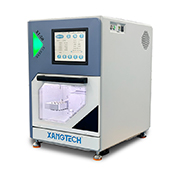
How Do You Know If a Zirconia Block Is Compatible With Your Milling Machine?
Before buying, check if the block size fits your milling machine’s holder. Also, confirm your CAM software matches the block’s path settings.
Our zirconia blocks are made for open CAD/CAM dental systems. They’re marked with clear specs to ease fitting into your digital flow.
What Are the Storage and Handling Requirements Before Sintering?
Keep zirconia blocks in dry spots free from dampness or dirt. While handling and milling, techs should use gloves. This stops oils or bits from dirtying the block surface.
Dirt can harm sticking during layering or mess up scan precision in design. Good handling keeps the restoration solid from beginning to end.

FAQ
Q: What is the average lifespan of a dental restoration made from zirconia blocks?
A: Zirconia-based restorations can last 10–15 years or more with proper oral hygiene and regular dental check-ups due to their high fracture resistance and biocompatibility.
Q: Can zirconia restorations cause allergic reactions or sensitivity?
A: Zirconia is considered highly biocompatible and rarely causes allergic reactions, making it a preferred choice even for patients with metal sensitivities.
Q: How do I choose between different translucency levels when selecting a zirconia block?
A: Translucency level depends on the restoration’s location: low translucency (more opaque) is ideal for back teeth requiring strength, while high translucency suits front teeth where aesthetics are critical.
Q: Are multilayer zirconia blocks worth the investment?
A: Yes. Our multilayer zirconia blocks provide smooth color transitions that replicate natural tooth structure while reducing manual shading time.
Q: Do your zirconia blocks meet international quality standards?
A: Absolutely. All our products are manufactured under strict technical standards with quality inspection services provided throughout production cycles.