
What Makes Lithium Disilicate Blocks Such a Hit in Dentistry?
Why Do Folks Use Lithium Disilicate Blocks So Much for Dental Fixes?
Lithium disilicate blocks get plenty of love in fix-up dentistry for a handful of solid reasons. They bring a nice combo of real toughness and natural-looking style. That suits them just right for work where function and appearance both play a big part.
In everyday use, these blocks help make crowns, veneers, inlays and onlays. A big plus is their fit with current chairside CAD/CAM dental systems. Lithium disilicate arrives in CAD/CAM blocks that allow much faster processing. The full process—from digital scan to final bonding—can finish in under 90 minutes. As a result, it suits same-day restorations well. This boosts patient satisfaction.
How Do These Blocks Compare to Other Ceramic Materials?
Lithium disilicate blocks often resist chipping better than regular porcelain. They can copy natural enamel closely. Plus, they offer true translucency and shade-matching. For this reason, they stand out for front restorations where looks are key.
Exploring the Biaxial Flexural Strength of Lithium Disilicate Blocks
What Is Biaxial Flexural Strength and Why Does It Matter?
Biaxial flexural strength measures how a material holds up against breaking from pressure in several directions. In dental work, this counts a lot. Chewing forces hit teeth from different angles. So, greater flexural strength means better durability and longer life in the mouth.
This trait matters most for thin restorations or cases with little tooth reduction. A material with good biaxial flexural strength keeps the restoration from cracking or failing too soon.
How Strong Are Lithium Disilicate Blocks Under Pressure?
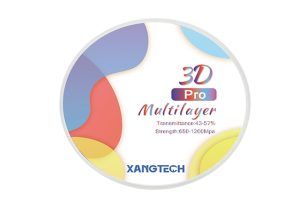
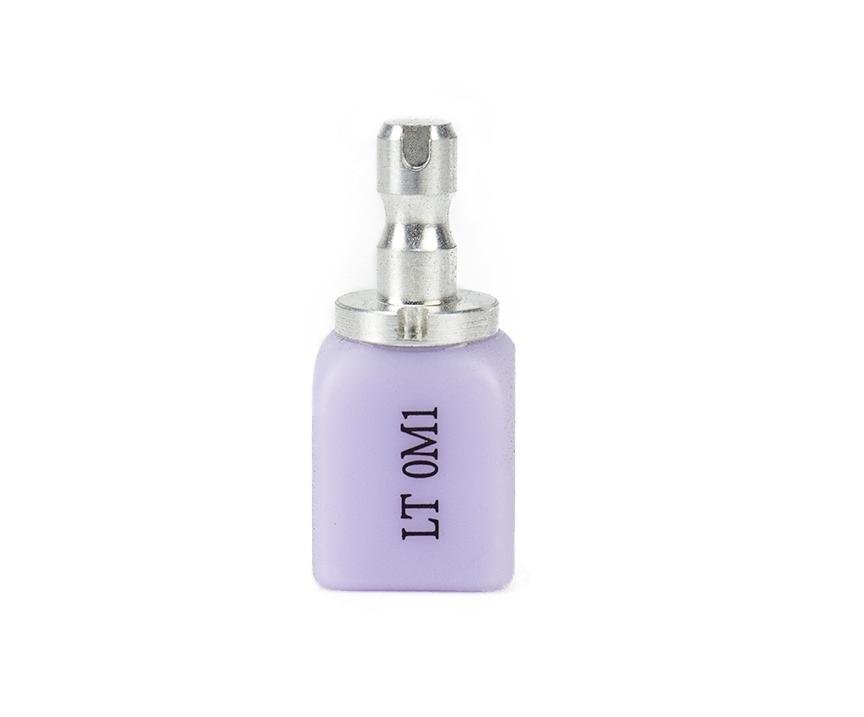
XANGTECH lithium disilicate brings clear benefits for dental restorations. It shows high chemical stability and strong bending strength. These traits help ensure the prosthesis lasts and works reliably. Biaxial flexural strength after sintering: 400(+60 Mpa/-60 Mpa). This puts it solidly in the 360–400 MPa range or above.
Strength stands as another key benefit of lithium disilicate. Even when little tooth structure is left, these blocks hold up well. They deliver steady results over time.
Do Lithium Disilicate Blocks Maintain Their Color Over Time?
What Affects the Color Stability of Dental Ceramics?
Several outside factors can impact color stability in dental ceramics. Everyday contact with staining items like coffee, tea or red wine can slowly change the look of restorations. Also, the surface finish and glaze quality play a big role. Smoother, well-glazed surfaces fight stains better. In addition, ongoing touch with oral fluids might lead to slight shade changes over years.
How Stable Is the Color of Lithium Disilicate Restorations?
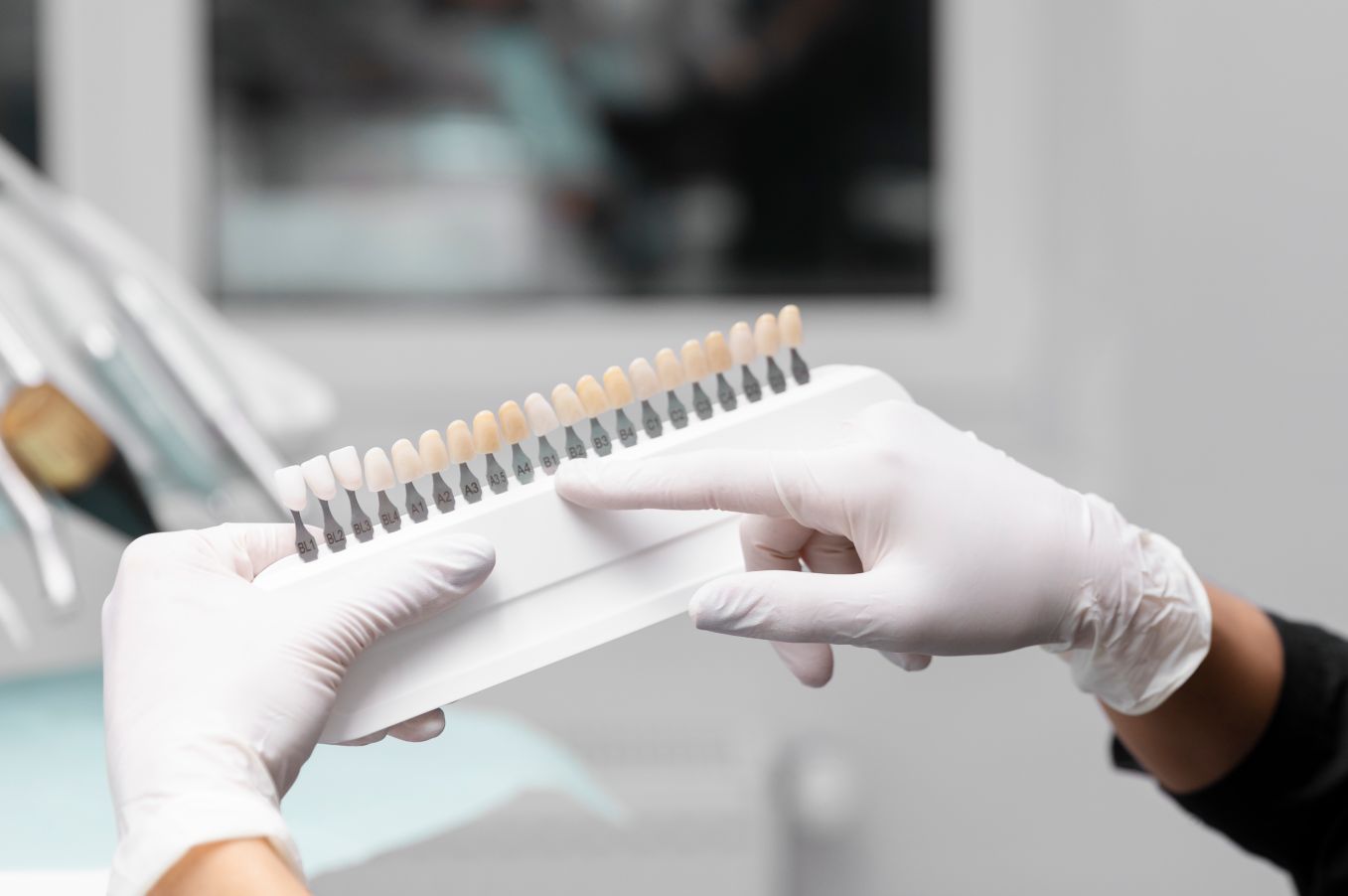
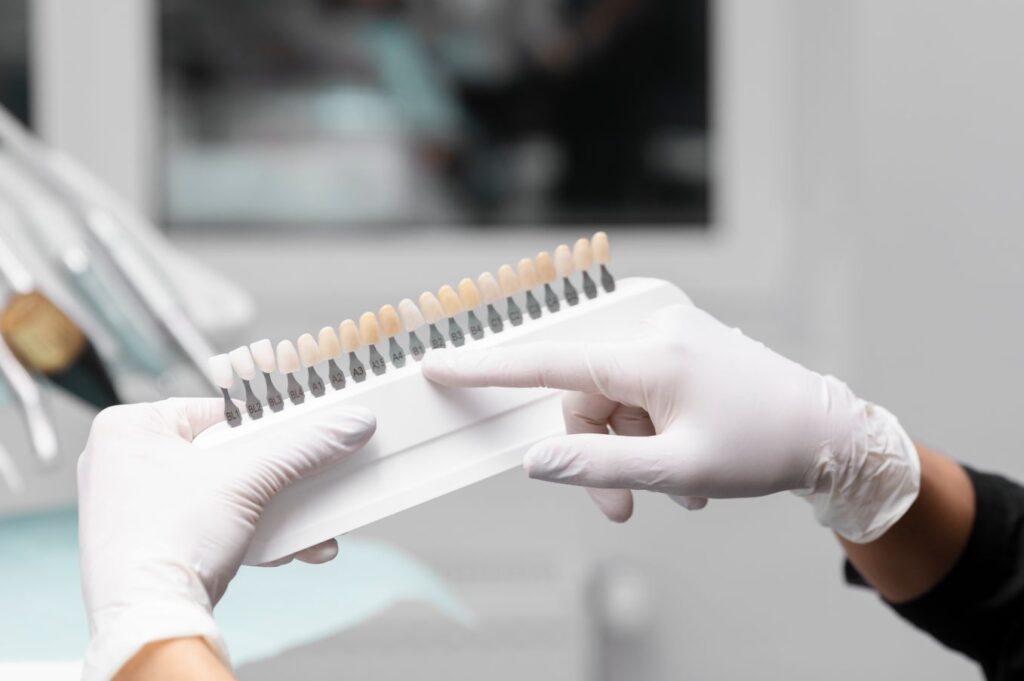
On the looks side, lithium disilicate shines in creating restorations with top translucency and color matching. These are vital for a fine, natural finish. When glazed and polished right, lithium disilicate resists discoloration well. Its true translucency lets it blend nicely with nearby teeth. It keeps its charm for years.
This blend of lasting visual appeal and tough mechanics makes lithium disilicate a smart pick for visible mouth areas.
Common Questions About Lithium Disilicate Performance in Real Life
Can These Blocks Withstand Daily Wear and Tear?
Yes, lithium disilicate blocks are built to handle routine functional stress. They avoid cracking or wearing out quickly. Their mechanical features make sure restorations cope with everyday chewing forces. For this reason, they suit many dental uses, including bites in front and back teeth.
Are They Suitable for People Who Grind Their Teeth (Bruxism)?
Though lithium disilicate is sturdy, bruxism poses a special issue from steady grinding forces. For serious grinders, experts suggest extra protection like night guards. This extends the restoration’s life. It also shields the opposing teeth.
How Long Do Restorations Made with Lithium Disilicate Typically Last?
With proper oral care and regular dental visits, lithium disilicate restorations often endure 10 to 15 years or longer. Their toughness and color hold make them a solid long-term fix for various needs.
Where Does XANGTECH Fit into the Picture of High-Quality Lithium Disilicate Products?
What Sets XANGTECH’s Lithium Disilicate Blocks Apart?
At XANGTECH, we focus on premium lithium disilicate blocks that mix strength and appeal. XANGTECH lithium disilicate brings key advantages for dental restorations. It features high chemical stability and solid bending strength.
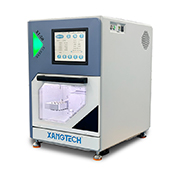
Our blocks work well for milling in both wet and dry setups. They cut down tool wear and lengthen bur life. This material mills easily. It lessens bur wear and makes them last longer. The crystallization step is straightforward and quick. This raises lab efficiency without hurting quality or looks.
We guarantee steady biaxial flexural performance in every batch. So, dental pros can trust each restoration they create.
Why Choose XANGTECH for Your Dental Restorative Needs?
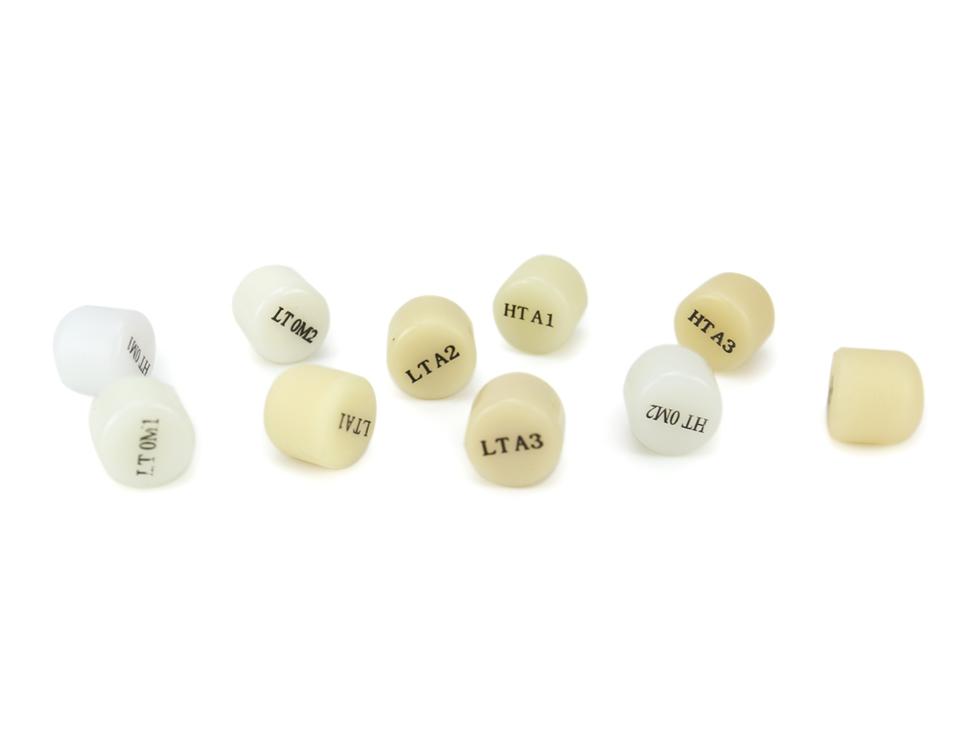
With more than 11 years in dental lab materials, we’ve earned a name for quality and dependability. Nanyang Liandong Biotechnology Co., Ltd. has 11 years of experience. It focuses on dental laboratory materials and equipment. Our lithium disilicate blocks come in various shades and translucency levels. This meets patients’ style needs with ease.
Whether making crowns, bridges, inlays, onlays or veneers, our materials perform reliably. They unite enduring function with natural beauty.
FAQ
Q: Are lithium disilicate blocks safe for people with metal allergies?
A: Yes, they are metal-free ceramic materials, making them an excellent choice for patients with metal sensitivities.
Q: Can lithium disilicate be used for both front and back teeth restorations?
A: Absolutely! Their combination of strength and translucency makes them suitable for both anterior (front) and posterior (back) applications.
Q: Do lithium disilicate restorations require special maintenance?
A: Not really — just regular brushing, flossing and dental checkups will keep them looking great over time.







 English
  Spanish
  Russian
  Italian
  French
  Japanese
  Portuguese
  Arabic