
Why Are PMMA Blocks Important in Modern Dental Restorations?
Digital dentistry has completely changed restorative processes. It puts more focus on accuracy, speed, and consistent looks. In this change, the PMMA block has turned into a vital material for dental labs and offices. They want dependable results. People use PMMA blocks a lot for temporary fixes, planning setups, and practical tests. These blocks handle many clinical uses. And they fit right into CAD/CAM dental systems.
One main reason PMMA blocks matter so much is their good mix of solid strength and easy handling. Unlike old in-office temporary stuff, a PMMA block gives even thickness. It also shows steady action during cutting. Plus, it ensures a solid fit. As patients want more from temporary restorations, multilayer PMMA blocks offer a fix. This gives both practical use and real-looking beauty.
What Is a PMMA Block and How Does It Work in CAD/CAM Dentistry?
What Is a PMMA Block and What Are Its Key Components?
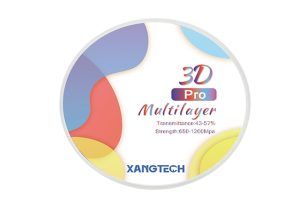
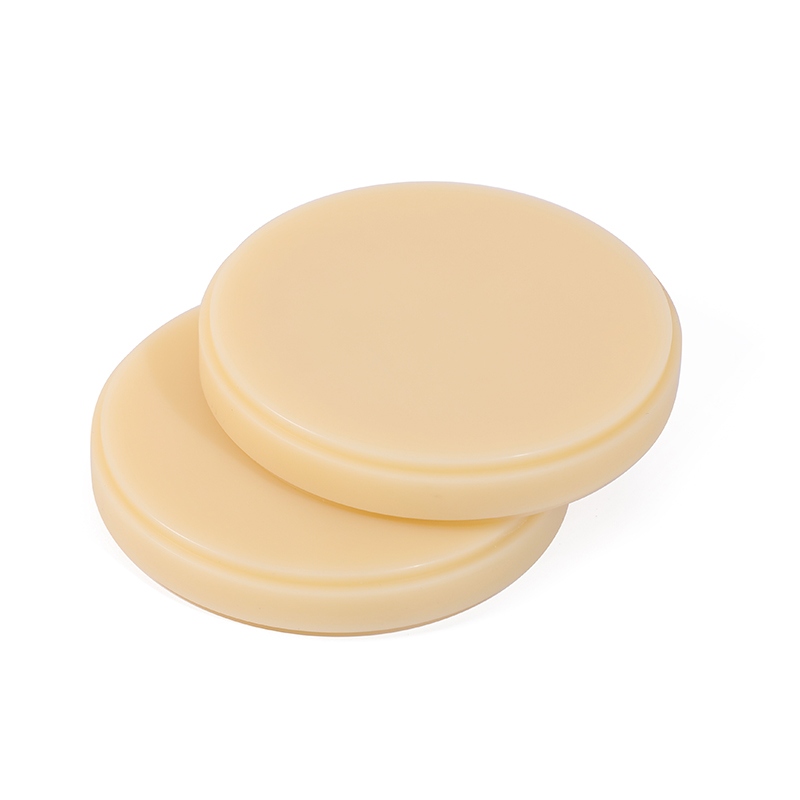
A PMMA block is a pre-hardened dental material from polymethyl methacrylate. It gets made for digital making. In multilayer styles, the block has several color and clarity layers. These shift slowly from base to edge areas. This setup lets cut restorations copy how natural teeth look and act with light better.
When set against single-layer stuff, multilayer PMMA blocks give better depth, true shades, and smooth sight flow. These traits make them a great pick for front temporary fixes. There, looks really affect how happy patients feel.
How Does a PMMA Block Function in Dental CAD/CAM Systems?
In a CAD/CAM process, the PMMA block acts as the base stuff for computer-planned fixes. After mouth scans or turning models digital, techs plan restorations with CAD tools. Then, they cut them right from the block. PMMA’s even build makes cutting go smooth. It also lowers tool damage and keeps sizes spot on.
Since PMMA blocks stay steady and polish easy, techs can make restorations fast. They do this without hurting surface finish. This steadiness cuts down on re-dos. It speeds up delivery times. And it helps get even clinical wins.
What Clinical Benefits Can Be Achieved with Multilayer PMMA Blocks?
Can Multilayer PMMA Blocks Provide Better Esthetics Than Single-Layer Blocks?
Multilayer PMMA blocks get built to boost look results. Their inside shade fades end the dull look common in one-piece temporary materials. By copying enamel and dentin shifts, multilayer PMMA blocks make restorations seem more alive. This happens even without much surface work.
This edge matters a lot for long temporary fixes. Patients want a natural look over time there. Multilayer builds help keep sight balance with nearby teeth. So, this raises patient trust and buy-in.
How Do PMMA Blocks Improve Strength and Longevity in Provisional Restorations?
Besides looks, PMMA blocks give solid physical action. Their managed hardening leads to strong bend hold and break resistance. This fits them for multi-piece bridges, implant temp supports, and cases needing long wear.
Multilayer PMMA blocks also show good wear hold and shade steadiness. This helps fixes keep their look through care. These traits lead to fewer breaks and an easier clinical flow.
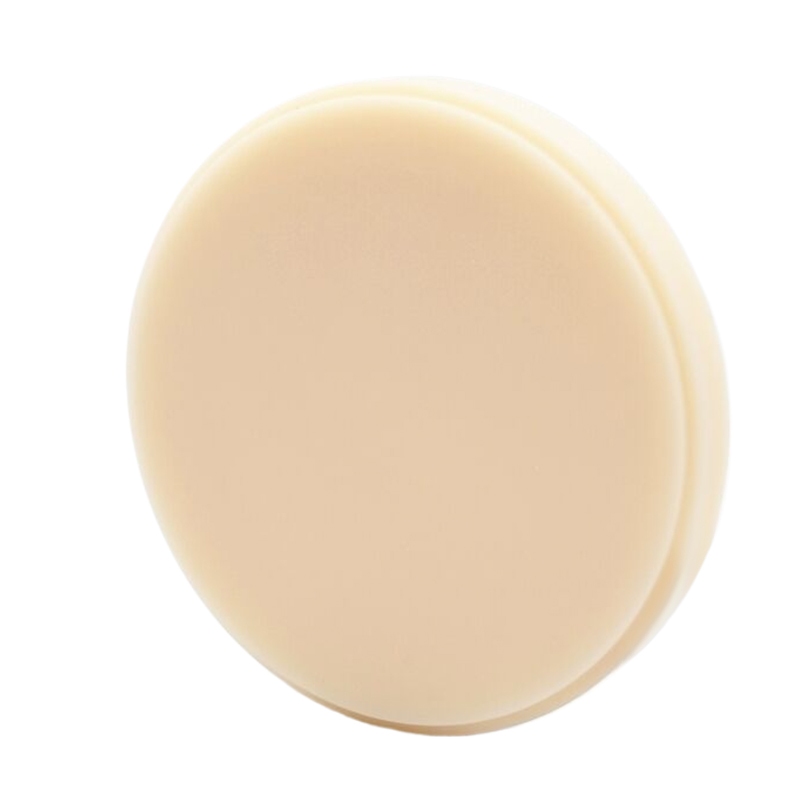
Introducing XANGTECH and Our Multilayer PMMA Block Solutions
At XANGTECH, we aim to supply forward dental materials that back current digital processes. With years in dental material building, we shaped our PMMA block options. They match the real and look needs of today’s fix dentistry.
Our PMMA blocks get made under tight quality checks. This ensures even thickness, steady shade shifts, and solid cutting action. We provide both single-layer and multilayer PMMA block choices. So, dental pros can pick the best material for each clinical need.
Our multilayer PMMA block goods come with smooth color fades and steady physical traits. This mix lets fixes gain natural looks while keeping strength and lasting power. We tune our products to work with main CAD/CAM dental systems. This means easy fit into lab and office flows.
At XANGTECH, we put biocompatibility and patient safety first. Our PMMA block materials suit mouth use. They give a light, comfy fix for temporary restorations. By keeping at our mixes and making steps, we work to bring materials that aid dental pros. These help get steady, top results.
How Should Dental Professionals Choose the Right PMMA Block for Their Practice?
What Factors Should Be Considered When Selecting a PMMA Block?
Picking the right PMMA block means checking a few main points. Shade choices and clarity matter big for look cases. This rings true in front areas. Physical power and break hold need review too. That’s for fixes set to stay long.
Cutting action counts as another key thought. A good PMMA block should cut clean without chips or too much tool wear. This allows exact edges and quick making. Evenness across batches brings sure results. And it trims material loss.
Are There Specific Indications for Using Multilayer Versus Single-Layer Blocks?
Multilayer PMMA blocks suit fixes where looks come first. Think front temps or patient-seen tests. Their built-in shade shifts cut extra stain and finish work.
Single-layer PMMA blocks might fit back fixes, planning uses, or spots with low sight needs. Getting the clinical need helps dental pros choose the right PMMA block for each case.
What 2026 Trends Are Driving Innovations in Dental PMMA Block Technology?
As digital dentistry keeps growing, PMMA block tech moves with it. By 2026, shifts like AI-aided planning, better cutting methods, and upgraded material blends shape temporary fix paths.
Demand grows for materials that mix speed with real looks. Multilayer PMMA blocks answer this by cutting hand tasks. Yet they bring natural results. Long shade hold, better wear resistance, and flow fit turn into main goals in material work.
As patient wants climb and digital processes spread, PMMA blocks will stay a main part of fix dentistry.
FAQ
Q: What is the difference between a PMMA block and other dental restorative materials?
A: A PMMA block offers a unique combination of strength, biocompatibility, and ease of milling. It is especially suitable for provisional restorations and diagnostic applications, providing predictable results within digital workflows.
Q: How long can restorations made with a PMMA block last?
A: Restorations made from a PMMA block can last several months to over a year, depending on occlusal forces, oral hygiene, and clinical conditions. Multilayer PMMA blocks are particularly suitable for long-term provisional use.
Q: Is a PMMA block suitable for both provisional and final restorations?
A: PMMA blocks are primarily intended for provisional restorations, temporary crowns, bridges, and diagnostic purposes. Final restorations usually require materials such as ceramics for long-term placement.







 English
  Spanish
  Russian
  Italian
  French
  Japanese
  Portuguese
  Arabic