

The Mechanical Properties of PMMA Blocks
What Is a PMMA Block and Why Is It Widely Used?
Polymethyl methacrylate (PMMA) is a synthetic resin. It has gained broad use in many areas because of its superb clarity, toughness and ease of handling. PMMA blocks are ready-made solid chunks of this substance. People often use them in dental, medical and industrial settings.
PMMA provides many benefits over materials commonly chosen for display purposes. Its light weight and great transparency make it especially handy for tasks needing accuracy. In dentistry, experts frequently use PMMA to create temporary crowns, bridges, denture bases and structures supported by implants.
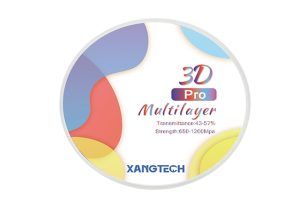
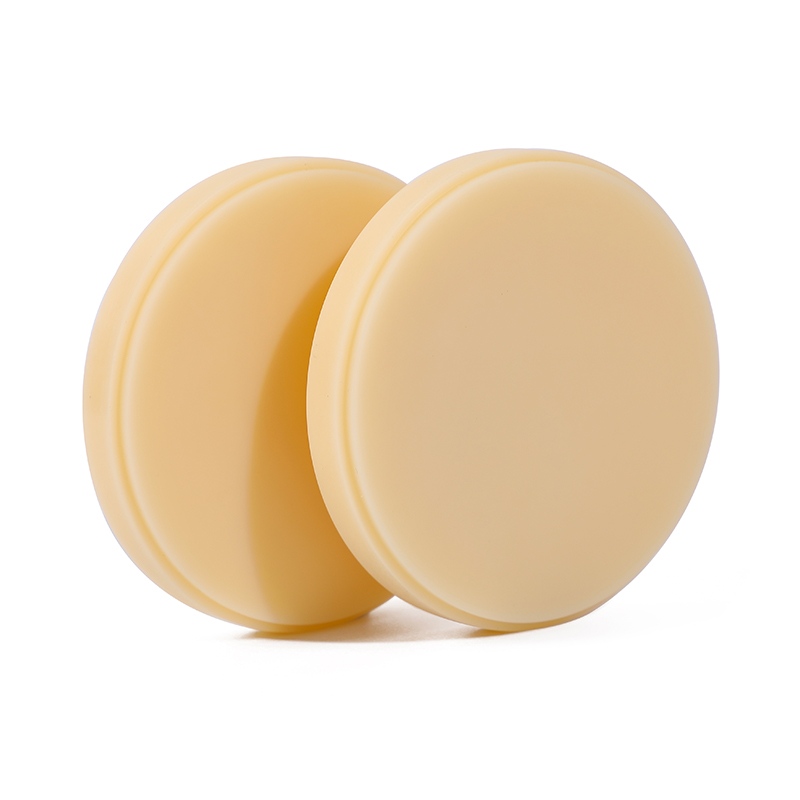
XANGTECH monolayer PMMA Discs serve as a key material in modern dentistry. They are carefully crafted to produce strong and dependable dental prosthetics. Their excellent machinability fits well with CAD/CAM dental systems. This ensures steady results and little wear on tools.
Outside of dentistry, PMMA’s ability to handle impacts and resist damage from the environment makes it a top pick for prototyping clear mechanical components. It also works well for building teaching models.
What Is Flexural Strength and How Does It Apply to PMMA Blocks?
Flexural strength means a material’s power to avoid bending under pressure. It specifically shows how well it can handle bending forces without snapping. For PMMA blocks, this trait matters a lot during milling and in everyday use inside the mouth or in industrial setups.
The bending strength: 88 MPa shows that these PMMA blocks can take a good amount of force before they crack or warp. This quality suits them for jobs that bear weight, like dental bridges or splints. Stress often builds up in those spots.
Keeping the structure sound during making is vital. This is true especially when you need high accuracy. For instance, when crafting a dental crown with CNC milling gear, any weakness in bending could cause tiny breaks or size issues. The steady flexural strength of top PMMA keeps restorations tough and exact.
How Is Modulus of Elasticity Measured in PMMA Blocks?
The modulus of elasticity measures a material’s firmness. It gauges how well it bounces back to its starting form after stress deforms it. For PMMA blocks, this value usually sits near 100MPa. That gives a good mix of rigidity for different cutting and use situations.
A larger modulus means smaller changes under pressure. This is key for dental work that needs a tight fit and steady action under biting force. On the other hand, material that is too stiff might break easily. PMMA hits a fine balance between firmness and bendiness.
With their ideal strength and durability, these blocks fit a broad array of dental tasks. They promise lasting results and happy patients.
Factors Affecting Flexural Strength and Modulus in PMMA Blocks
What Environmental Conditions Influence Mechanical Performance?
Outside factors can change PMMA’s mechanical traits. Shifts in temperature might adjust its firmness and cause swelling or shrinking. Long exposure to UV light could lead to surface wear or discoloration. This harms looks and soundness. Humidity matters too. Even though the water absorption rate: <1%, ongoing contact in damp spots may affect size steadiness.
So, you should optimize storage to keep structural features intact over time. Stay away from direct sun and very moist places. That will help hold the material’s power and sharpness.
How Do Manufacturing Processes Impact the Properties of PMMA Blocks?
The evenness of flexural strength and modulus of elasticity in PMMA blocks relies heavily on how they are made. The way polymerization happens, curing duration, heat management and material cleanliness all shape the end product’s worth.
The makeup of the material is fine-tuned to cut down on tool damage during cutting. This not only lengthens the life of cutting tools but also lowers running costs and scraps. Any trapped air bubbles or dirt added during making can weaken the block’s inner build. That cuts its skill to bear mechanical loads.
Makers who apply tight quality rules and steady processing ways guarantee better sameness from one batch to the next. This is crucial for top-performing fields like fixing dentistry or industrial model-making.
Introducing XANGTECH’s PMMA Block Solutions
What Makes XANGTECH’s PMMA Blocks Stand Out?
At XANGTECH, we focus on making high-grade PMMA blocks. We tailor them for exact tasks like CAD/CAM dental systems. Our items are built with a prime mix of mechanics. They blend solid flexural strength with a dependable modulus of elasticity.
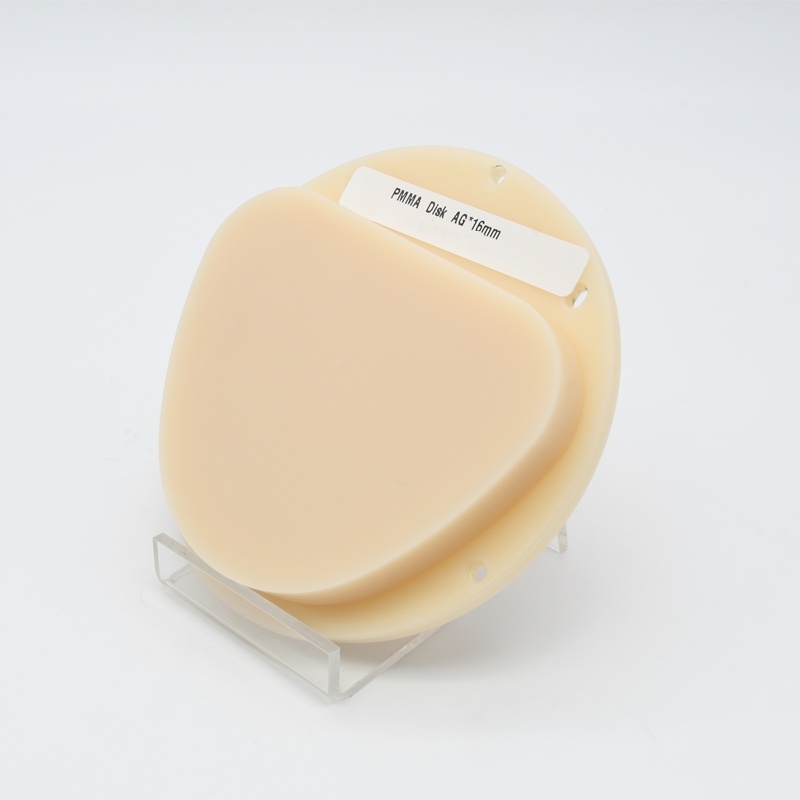
XANGTECH Amann Girrbach Monolayer PMMA Disc offers top-notch machinability and physical traits. We make sure each batch gets thorough quality tests. This keeps evenness in elasticity, density and break resistance.
Our products’ build stability lets them handle repeated strain in both making and patient use. Plus, their biocompatibility keeps them safe for inside-the-mouth tasks.
Where Are XANGTECH’s PMMA Blocks Commonly Applied?
Dental Applications
Our PMMA blocks see wide use in temporary crowns, bridges, denture bases and implant-supported fixes. Its biocompatibility means it can go safely into the mouth without causing soreness or allergies.
Industrial Prototyping
Due to their clear sight and mechanical steadiness, our PMMA blocks suit making see-through parts. These must keep size accuracy under weight.
Educational Use and Research Labs
We provide very clear PMMA choices. They machine easily into show models for body studies, engineering tests, or mechanical setups.
Practical Considerations When Choosing a PMMA Block
What Should You Look for When Selecting a High-performance PMMA Block?
When picking PMMA block choices for your task, focus on these details:
- Flexural strength: typically between 80–120 MPa
- Modulus of elasticity: around 100MP
- Density: 1.35~1.45g/cm³
- Biocompatibility certifications if used in medical or dental environments
- Shore hardness: 85-90
Also check that they work with your cutting systems like CNC or CAD/CAM gear.
How Can You Maximize the Lifespan of Your PMMA Block Components?
Proper Storage Conditions
Store PMMA blocks far from sun, hot spots and damp areas. This stops early breakdown.
Avoid Overheating During Machining
Pick right spindle speeds and cooling setups to avoid heat harm. Too much warmth in milling can spark tiny cracks or twisting.
Regular Inspection for Microcracks
Check cut parts now and then for first signs of tiredness or damage. Do this especially in weight-bearing jobs. It helps keep safety and workability.
FAQ
Q: What is the typical flexural strength range for a high-quality PMMA block?
A: High-quality PMMA blocks usually have a flexural strength between 80 MPa to 120 MPa, depending on formulation and processing methods.
Q: Can I use XANGTECH’s PMMA blocks with standard dental milling machines?
A: Yes, our PMMA blocks are designed for compatibility with most CAD/CAM milling systems commonly used in dental labs.
Q: How does the modulus of elasticity affect the performance of a machined part made from a PMMA block?
A: A higher modulus of elasticity means the part will be more rigid under stress, reducing deformation during use — especially important in load-bearing or precision-fit applications.







 English
  Spanish
  Russian
  Italian
  French
  Japanese
  Portuguese
  Arabic