

O que Milling Burs e Por que Eles Importam na Milling Dental?
A Básica de Milling Burs
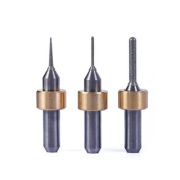
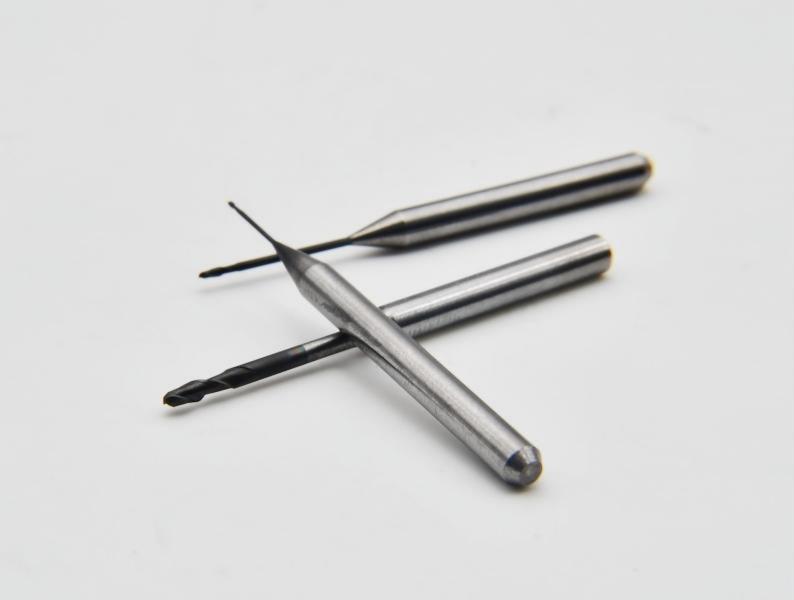
Os burros de molhimento atuam como ferramentas rotativas chaves de corte em máquinas de molhimento dental. Elas formam e poliam materiais para restaurações dentárias. Isto inclui zircônia, PMMA ou cera. Cada buro de molhamento tem geometria e revestimentos específicos para corresponder ao seu objetivo. O bur s design forma precisão, qualidade da superfície e vida de ferramentas desde formação básica até trabalho detalhado.
Burs aparecem em diferentes tamanhos. As pessoas medim por diâmetro da cabeça e comprimento completo. Muitos obtêm revestimentos como diamante ou DLC para melhorar a força. O tipo de revestimento decide como um buro maneja o calor e esfregar em molhimento rápido.
Como a molhada de buracos contribui para a qualidade da restauração dental?
Um buro de molho. o padrão afeta o resultado final das restaurações dentárias. Boas bursas fazem até superfícies em coroas, pontes, interiores e outras próteses. Isso reduz o apelo para mudanças após a molhadura. Eles reduzem os riscos de chips e pequenas rupturas em materiais sensíveis como zircônia. Então, as próteses obtêm estrutura firme e facilidade do paciente.
Além disso, um buro de molhamento constante assegura que as restaurações se encaixem exatamente. Isso levanta a prótese é tempo duradouro. Ele curta o tempo de ajuste na cadeira.
Tipos de Milling Burs e Suas Aplicações
Quais são os diferentes tipos de Burs de Milling?
Diversos tipos de buro de molhamento tipo por forma e revestimento. - Burs cobertos - principalmente com diamante ou DLC - dão melhor proteção do uso e tratamento de calor em trabalhos de molhimento. Explosões não cobertas encaixam em materiais mais suaves ou tarefas finais.
Para formas, burros de extremidade plana são adequados à grande remoção de material. Os buracos de bola coincidem com pontos curvos e terminam. Os burros tapeados funcionam muito bem para detalhes exatos em formas difíceis. Os tamanhos correm de grandes diâmetros para trabalho bruto para ferramentas de pequeno diâmetro para terminação precisa.
Quais materiais são compatíveis com Burs de Milling?
Materiales dentários distintos exigem certos tipos de buro de molhamento:
- Circónia: Esta cerâmica firme precisa de fortes burs com boa resistência ao calor. Os burros de molhamento de zircônia Roland encontram amplo uso em restaurações dentárias, particularmente em trabalhar com materiais de zircônia.
- PMMA: Como material de resin a mais leve, PMMA fabrica bem com ferramentas menos rugosas. Esses burs de estresse cortando velocidade sobre proteção do uso.
- Wax: Fabricas de cera muito suaves, melhor com burros intensos para saltar derretendo ou dobrando. - Velocidades rápidas com pressão suave.
As melhores práticas para Utilizar e Manter Burs de Milling
Como você pode alargar a vida de um Milling Bur?
Para impulsionar seu buro de molhamento o trabalho e o comprimento, o cuidado constante prova-se vital:
- Lavar burros completamente após cada uso. Isso impede a construção de bloquear o desempenho.
- Salta a pressão pesada no molhamento. Deixe o buro lidar com o trabalho para evitar danos na fronteira precoce.
- Muda velocidade do espinho pelo material. Os mais suaves geralmente precisam de velocidades mais lentas do que as firmes.
Essas maneiras não só prolongam a ferramenta’ é tempo mas também manter a qualidade de restauração mesmo.
Quando você deveria substituir uma bruxa de molhimento dental?
Alguns sinais mostram isso. é tempo de trocar seu buraco de molhimento:
- Vestimento claro ou chips no ponto.
- Uma queda simples em velocidade de corte ou direito.
- Resultados de superfície mais pesados ou restaurações mal aptas.
- Passando pelo fabricante as rondas sugeridas de uso podem causar dano à restauração e máquina.
O bur revestido pelo DLC pode perfurar 150 a 200 unidades de coroa de circónia. O buro revestido de diamante pode fabricar 400 a 500 unidades de coroa de circónia. Observar esses usos limita ajudas para evitar problemas cedo.
Escolhar o Bur direito: O que você deve procurar?
Como você escolhe uma queimadura para seu laboratório dental?
Escolhar o buro de molhimento correto começa ligando-o ao material à mão. Tome esses casos:
- Escolha burs duros e revestidos para circónia.
- Seleccione ferramentas mais intensas para cera e burs mais leves para PMMA.
Se seu processo valoriza for ça, pense em revestimentos de diamante ou DLC para longas corridas. Além disso, certifice-se de que o bur’ o tamanho e a largura do cabelo correspondem à sua máquina de molhamento dental.
Que papel a precisão desempenha na seleção de um buraco?
A precisão importa muito nas restaurações dentárias. Para terminações muito finas, burros finos de terminação dão extremidades fortes que poliam superfícies sem magoar partes fracas. Quando você lida com formas difíceis como áreas de morder ou lacunas fechadas, burs de ponta de bola ou tapered oferecem um alcance e agarramento mais finos.
O melhor grau de precisão não apenas elevadores parece, mas também influencia a adaptação prótese. Ela afeta o conforto do paciente e o comprimento da restauração.
Descobrir a s érie Roland Zirconia Milling Bur da XANGTECH
Por que escolher o XANGTECH Roland Zirconia Milling Bur?
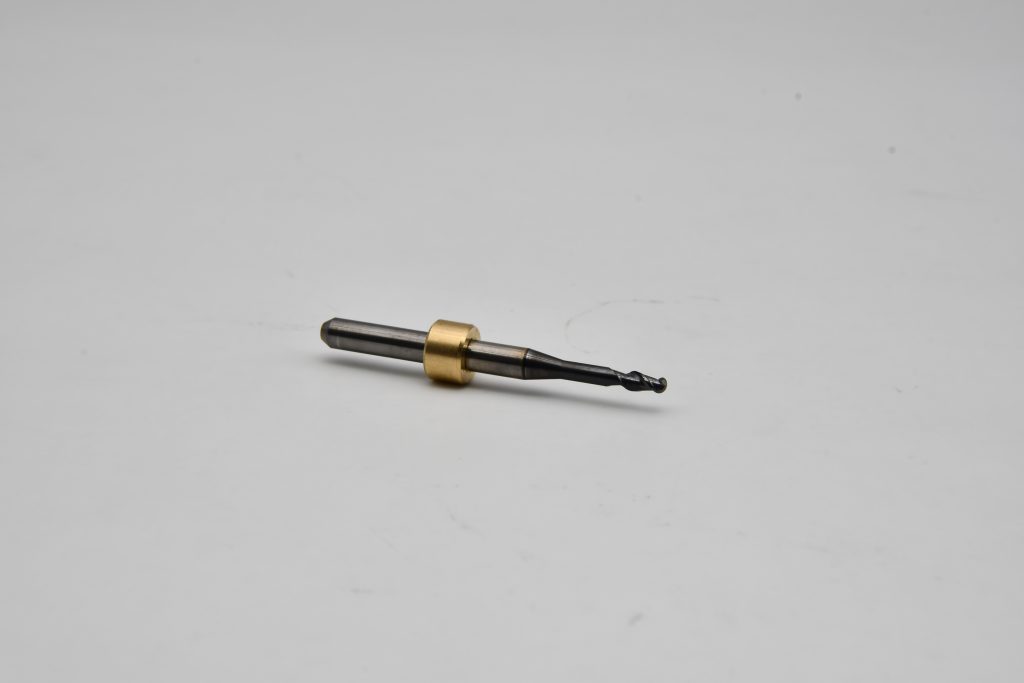
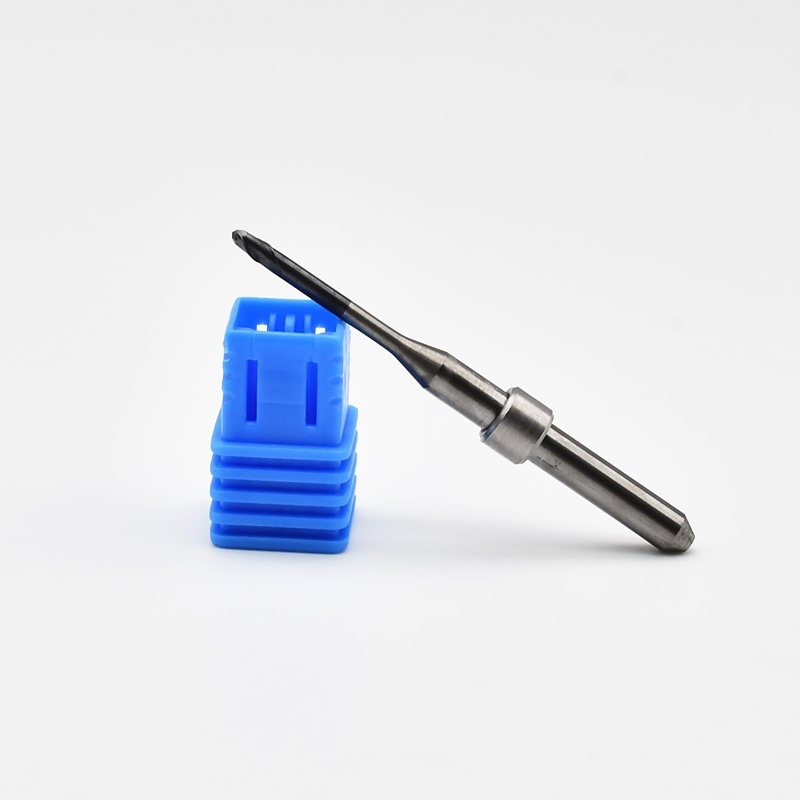
No XANGTECH, nos sentimos orgulhosos de fornecer burros de molhamento de zircônia Roland feitos para o melhor trabalho com materiais de zircônia. - Roland zirconia milling burs ajuda os dentários a fazer restaurações dentárias sólidas. Eles trazem um bom trabalho de corte, força e exactidão. Nossos bens encaixam nos sistemas Roland como DWX-52D/DWX-52DCi/DWX-42W. Isso traz facilidade para o seu laboratório.
Nossas explosões de molhamento de zircônia Roland mantêm-se constantes a velocidades rápidas e pressões firmes. Eles dão um forte trabalho de corte. Mesmo em tarefas de circônia dura, nossos burros continuam mesmo cortando. Eles reduzem o dano ao calor e asseguram bons resultados na superfície.
O que estabelece o XANGTECH Milling Burs Aparte dos outros?
Nossos bens brilham devido ao nosso foco em materiais sólidos e fabricação exata. Nossos burros de molhamento dental Roland são como burros finos com forte uso. Misturamos carbono de tungstênio com revestimentos frescos como DC/DLC para garantir força em uso duro.
XANGTECH Roland molher burs são 100% compatíveis com o sistema dental Cad Cam. Com formas de flauta sintonizadas que cortam a construção de calor e retalhos limpos, nossos burros deixam os laboratórios ganhar mais com menos. Eles reduzem as taxas de mudança sem perder qualidade.
XANGTECH's Milling Burs
Posso usar o Roland Zirconia Milling Bur do XANGTECH em outros materiais além da zirconia?
Embora nosso buro de molhamento de zircônia Roland coincida com o principal de zircônia, é preciso como cerâmica com configurações certas. Ainda assim, o trabalho pode mudar por dificuldade.
Quanto tempo uma circónia típica de XANGTECH dura antes de precisar de substituição?
Em uso habitual, nossas explosões revestidas por DLC gerem 150-200 unidades. Os revestidos com diamantes atingiram até 400-500 unidades. O cuidado certo pode crescer muito desta vez.
FAQ
Q: Qual é a diferença entre rupturação e terminação de buracos em molhamento dental?
A: Burgas rugosas removem material em massa rápido, mas deixam uma superfície grossa; - terminar burs refinar detalhes e suavizar superfícies para restaurações finais.
Q: Quantas vezes eu deveria limpar meus buracos dentários?
A: Recomenda-se limpá-los após cada uso ou pelo menos diariamente para evitar construções que possam afetar o desempenho ou reduzir a vida das ferramentas.
Q: Pode usar um erro molhamento explodir danos na minha restauração dental?
A: Sim, usar um buro inadequado pode levar a fraturas em materiais delicados como zircônia, ou mesmo danificar sua máquina de molhimento ao longo do tempo.


