
Exploring Advances in Dental Milling Technology
How is Technology Transforming Dental Milling Machines?
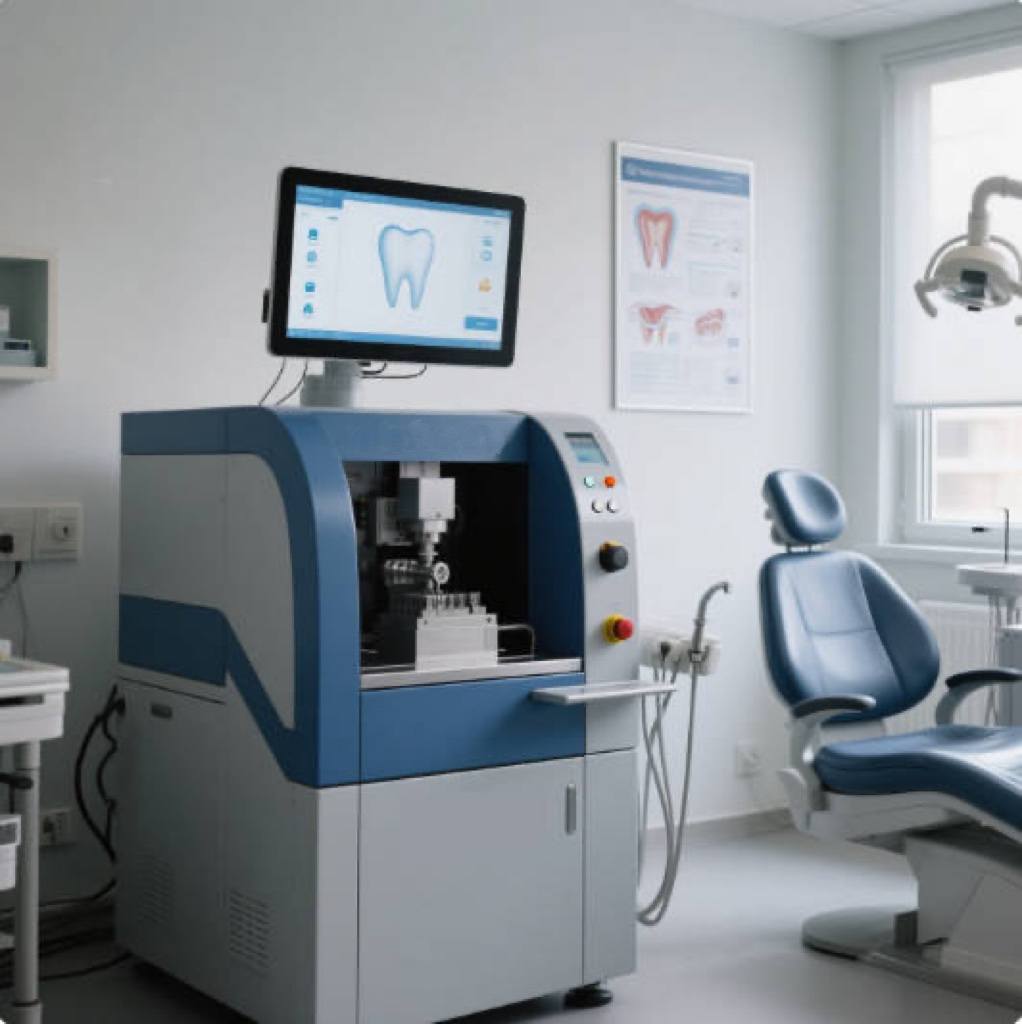
The growth of dental milling machines comes from adding strong CAD/CAM systems. These have changed accuracy and productivity in current dental labs. CAD/CAM milling lets workers plan and make restorations with accuracy under a millimeter. This makes sure prosthetics fit well in a patient’s mouth. The digital process cuts down hand work. It also boosts the ability to repeat tasks. As a result, the milling machine dental laboratory setup becomes more productive and steady.
Automation has also changed milling in dentistry. It lowers hand mistakes and improves steady work. Automatic tool changers, smart setup systems, and live tracking let machines run non-stop with little watching. These fully meet the productive work needs of complex dentures and restorations. Such automation makes sure even hard designs get done perfectly. At the same time, it cuts worker tiredness.
In addition, new ideas in software have improved design skills in cad cam milling tasks. Strong modeling programs now copy stress spread and improve biting surfaces before real making starts. Adding AI-based design tools lets workers create restorations that work well and look better. These steps forward together turn what is dental milling into a very automatic, digitally led process that backs exact dentistry.
What Are the Benefits of Using Advanced Dental Milling Machines?
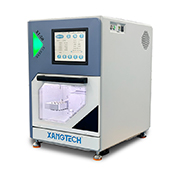
Current cad cam milling machine dental options give several gains for both workers and patients. The main gain is their better accuracy when making crowns, bridges, or implant abutments. The XANGTECH XT máquina de molhamento de 50 is made to handle the strict needs of today’s dental labs. It raises both output and accuracy to the highest. This level of accuracy leads to better-fitting prosthetics. They improve patient ease and lasting time.
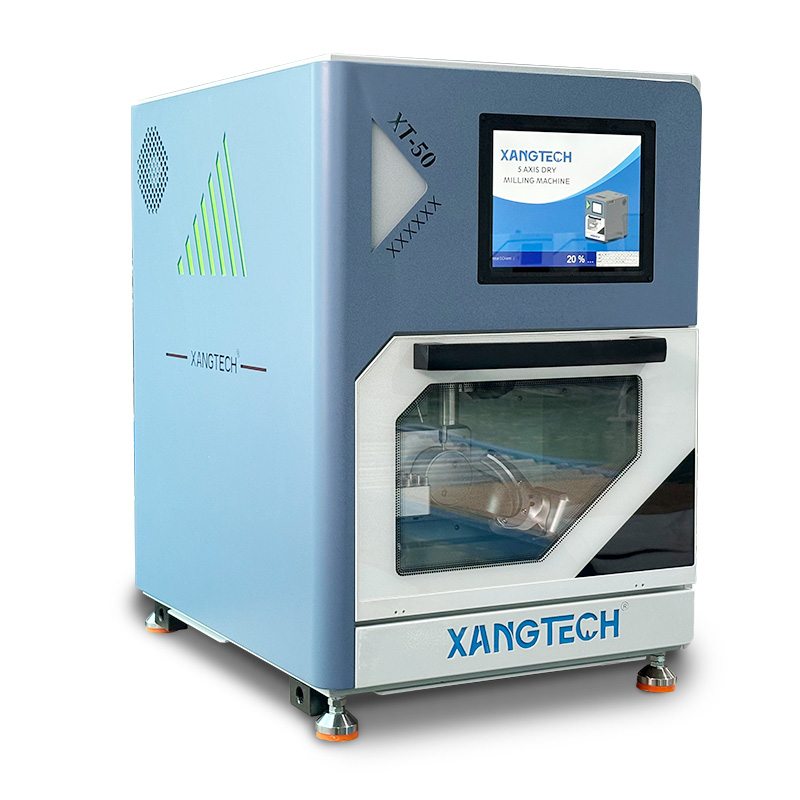
Another key gain is the drop in material waste and work costs through better tool paths and resource handling. Its C-type clamp gets the most from material use. It raises use by 20%, which greatly cuts waste and lowers material costs. Such features show how strong building can help green practices in dental labs.
Moreover, these machines raise output through quicker work times and non-stop runs. Its power-off resume function ensures uninterrupted operation. It does this by automatically restarting milling tasks after sudden stops. Thus, it stops repeat processes and boosts overall productivity. This type of automation keeps steady task flow even during power changes—an important feature for high-need denture milling machine setups.
Material Utilization Strategies in Dental Milling
How Can We Optimize Material Usage in Dental Milling Processes?
Making the best use of materials is key to low-cost making in any milling machine in dentistry. Methods like nesting improvement let several restorations get milled from one block with little waste. Tool path improvement adds to this by figuring the best cutting ways based on shape study.
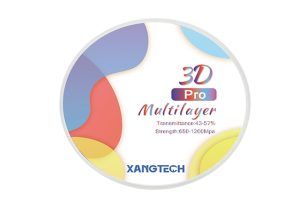
Multi-layered materials also hold a main role in resource saving by mixing strength levels in one block. The XANGTECH 3D Multilayer Zirconia Block is a top new dental material. It is well liked for its steady chemical traits and fit with various open dental CAD CAM systems. Its layered makeup lets workers get natural color shifts without extra shading steps. This cuts time and supply use while keeping high-quality results.
What Materials Are Commonly Used in Dental Milling?
Several materials lead in modern cad cam milling tasks due to their flexibility and work traits: zirconia, PMMA, wax blocks, lithium disilicate, and PEEK composites.
Each material offers distinct advantages. Zirconia offers a long lifespan; PMMA provides beauty and flexibility; wax is useful for early models; lithium disilicate brings clarity similar to natural tooth enamel; PEEK offers lightweight yet strong options for special frames.
The Future of Dental Milling: Innovations and Trends
What Emerging Technologies Are Shaping the Future of Dental Milling?
New technologies like mixed 3D printing joined with usual CNC milling are changing making options. This joining lets labs make detailed shapes that subtractive ways alone cannot do. It links additive making with exact machining for hard repair cases.
The Internet of Things (IoT) adds more links among tools in a connected lab setup. Smart sensors built into machines watch spindle wear, coolant flow, shake levels, and heat changes. This allows smart upkeep instead of fix-after-break repairs. Such digital links ensure steady run times across every cad cam milling spot while cutting work stop times.
How Do These Innovations Affect the Dental Industry?
These tech steps forward are changing task flows in dental labs worldwide. They allow custom care options on a large scale. Custom work once held back by hand skills can now happen digitally. It uses patient-only scans added to cad cam software setups. As a result, doctors can give quicker finish times without losing accuracy or looks.
Moreover, automation lowers human mistake rates. It also frees workers from repeat tasks. So they can focus on better-value design work. This changes how experts see productivity in modern digital dentistry setups.
Spotlight on XANGTECH: Pioneering Innovations in Dental Milling
Why Choose XANGTECH for Your Dental Milling Needs?
Em XANGTECH, we feel proud in giving top new solutions made for today’s tough dental workers. They seek steadiness and new ideas from every denture milling machine we make. Our goal is based in giving full solutions backed by strong after-sales service links worldwide.
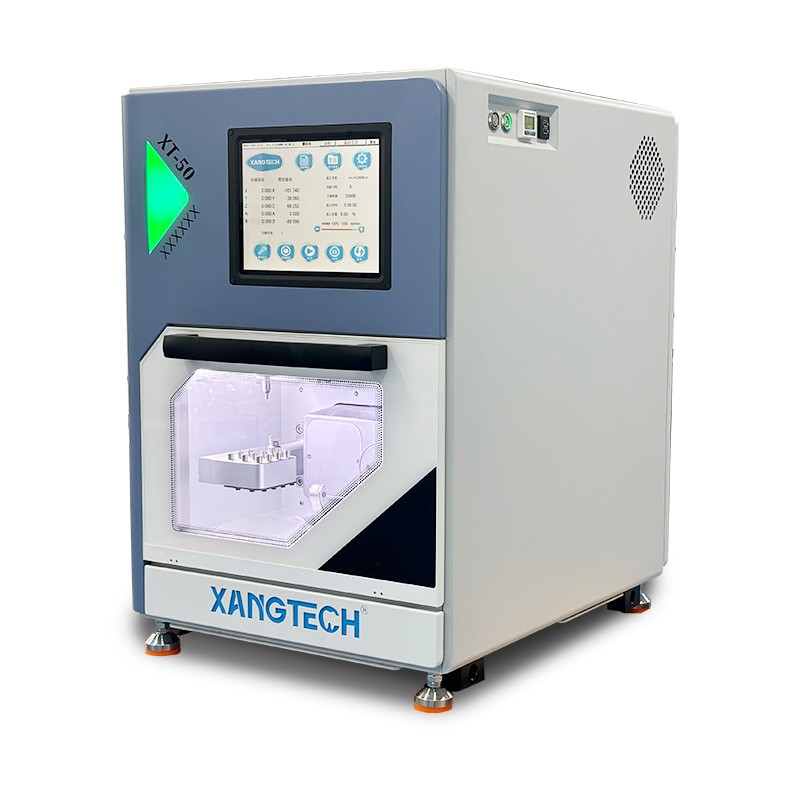
Our XT50 model shows our promise to top quality: Its B-axis gives a wide angle range of +350° to -910°. This lets exact making of hard large-angle implants. Meanwhile our RX-8Y system grows flexibility through multi-material ability. It processes up to eight types at the same time with easy touch-screen control setups that make user work simple.
Customer views always point out our products’ dependability under non-stop run conditions. This comes thanks to built-in safety extras like automatic setup functions combined with far-off service help features open worldwide through our engineering team links.
FAQ
Q: How Do Advanced Milling Machines Reduce Material Waste?
A: Advanced machines use precise cutting paths to minimize excess material removal leading to less waste while incorporating intelligent clamping mechanisms that improve yield efficiency per block used.
Q: What Are the Key Features to Look for in a Dental Milling Machine?
A: Look for features such as multi-axis capability high-speed spindles user-friendly interfaces automated calibration systems power-off resume functionality integrated cooling circuits—all critical when evaluating advantages of milling machine options suitable for professional laboratories.
Q: Can New Technologies Improve the Longevity of Dental Restorations?
A: Yes, precise CAD/CAM milling enhances fit, finish, and surface smoothness. These factors collectively improve durability, ensuring long – lasting restorations capable of maintaining structural integrity under functional loads over extended periods.







 Portuguese
  English
  Spanish
  Russian
  Italian
  French
  Japanese
  Arabic