
ما الذي يجعل ديسيليكات الليثيوم مادة موثوقة لاسترداد الأسنان؟
تركيب وخصائص هيكلية ديسيليكات الليثيوم
ديسيليكات الليثيوم هو مادة زجاجية سيراميكية تتكون أساسا من بلورات ديسيليكات الليثيوم وضعت داخل قاعدة زجاجية. هذا الإعداد الخاص يعزز صلابته وصفاته البصرية. ونتيجة لذلك ، يبرز كخيار أفضل في إصلاح طب الأسنان. يضيف الجزء الكريستالي إلى استقراره الميكانيكي الصلب. وفي الوقت نفسه، تعطي قاعدة الزجاج وضوحاً ينسخ عن كثب مينا الأسنان الحقيقي.
ليثيوم ديسيليكات يجلب فوائد رئيسية لإصلاحات الأسنان. يظهر استقرار كيميائي قوي وقوة الانحناء الملحوظة. هذه الصفات تساعد على الجودة الدائمة والموثوقية للمنتج النهائي. إنهم يتأكدون من أن كتل ديسيليكات الليثيوم يمكن أن تتعامل مع كل من الاحتياجات العملية والبصرية في استخدام العالم الحقيقي. بالإضافة إلى ذلك ، تعمل هذه المادة بشكل جيد مع أدوات القطع. يقلل من ارتداء الأدوات ويجعلها تدوم لفترة أطول. وبالتالي ، فإنه يحسن سير العمل.
يتيح وضوحه لخبراء طب الأسنان خلق نتائج واقعية مثل الأسنان الطبيعية. في أجزاء رقيقة مثل القشرة أو التاج الجزئي ، تضمن هذه الميزة الخلط السلس مع الأسنان القريبة. كما يظهر ديسيليكات الليثيوم تناسبًا رائعًا للارتباط مع أسمنت الراتنج. هذا يخلق ارتباطا قويا بين الإصلاح وقاعدة الأسنان.
كيف يقارن ديسيليكات الليثيوم مع مواد طب الأسنان الأخرى؟
عندما تنظر إلى ديسيليكات الليثيوم مقابل الزركونياكل واحد له نقاط قوة واضحة بناء على احتياجات المريض. الزيركونيا تلمع في صلابة وقوة دائمة. ومع ذلك ، غالبا ما تبدو أكثر غامضة. من ناحية أخرى ، يقدم ديسيليكات الليثيوم مظهرًا أفضل بفضل وضوحه الأكبر. بالنسبة إلى الإصلاحات الأمامية حيث تبدو أهمًا ، عادة ما تفوز تاج ديسيليكات الليثيوم.
من الناحية الميكانيكية ، تصل قوة الانحناء في الاتجاهين بعد التدفئة إلى 400 (60 ميجا باس / -60 ميجا باس). هذا يفوز السيراميك الزجاجي القديم. هذا المزيج من المظهر والقوة يناسبه للاستخدامات الأمامية والخلفية تحت ضغط عضة طبيعي. علاوة على ذلك ، فإنه يتحمل أفضل ضد رقائق من الخزف المعتاد من السيراميك الأسنان السابق.
أطباء الأسنان غالبا ما يختارون الليثيوم ديسيليكات التاج الأسنان. إنها تعطي نتائج دائمة دون فقدان جاذبية أو غرض. في إصلاحات الزركونيا مقابل ديسيليكات الليثيوم ، يعطي الخيار الثاني انتشار ضوئي أفضل وتناسب الظل. هذا أمر حيوي للابتسامات الطبيعية.
هل ديسيليكات الليثيوم قوي بما فيه الكفاية للاستخدام على المدى الطويل؟
تقييم القوة الميكانيكية والمتانة مع مرور الوقت
تم بناء كتل ديسيليكات الليثيوم لتستمر تحت ضغوط اللغز اليومية. تقع قوة الانحناء المعتادة بين 360 و 400 ميجا باس. وهذا يعطي ما يكفي من الارتداد إلى الوراء للتاج، والشرائح، والشرائح، والشرائح. خصائصها الميكانيكية تتأكد من أن الإصلاحات يمكن أن تأخذ ضغوطا يوميا. لذلك ، فإنه يخدم بشكل جيد في العديد من مهام طب الأسنان.
كشفت الاختبارات في العالم الحقيقي أن إصلاحات مختبر التاج ديسيليكات الليثيوم المصنوعة بشكل جيد يمكن أن تستمر أكثر من عشر سنوات. هذا ينطبق على عادات العناية بالفم الجيدة. مزيج من الصلابة العالية - حوالي 5400 فيكر - واستقرار الانحناء يحافظ على التغييرات أو الانقطاعات منخفضة مع مرور الوقت.
المادة’ كما يساعد الإعداد على الحفاظ على صوت الهيكل تحت إجراءات العض المتكررة. سواء كانت مصنوعة كقطع فردية أو طبقات إضافية ، فإن كتل CAD / CAM ديسيليكات الليثيوم تحافظ على سماتها الميكانيكية. يفعلون ذلك حتى بعد اتصال طويل مع التحولات الحرارية وقوة المضغ.
كيف يعمل في الظروف الفموية اليومية؟
يتعامل ديسيليكات الليثيوم مع إعدادات الفم الشائعة بشكل جيد جداً. وتشمل هذه التغيرات الحرارية والتلامس مع الأطعمة أو المشروبات الحامضة. استقراره الكيميائي يوقف الانهيار من البصق أو الأحماض الغذائية. من زاوية المظهر ، يبرز ديسيليكات الليثيوم في إعطاء إصلاحات مع أعلى وضوح ومطابقة الظل. هذه هي المفتاح لنهاية جيدة وحقيقية.
الاكسارات النادرة عند ربطها باليمين تجعلها موثوقة للشرائح الأمامية والتاج الخلفي تحت قوة العض العادية. بسبب تطابقها مع إعدادات ربط الراتنج ، يمكن لأطباء الأسنان الحصول على عصا طويلة الأجل تحارب الروابط الفضيحة أو بقع الحافة.
بالإضافة إلى ذلك ، فإن المادة’ مجموعة s تدعم كل من طرق العصا المضغوطة والتدفقات الرقمية مع أنظمة CAD / CAM. وهذا يعطي خيارات في عمل الأسنان بناء على احتياجات الحالة.
التطبيقات السريرية: أين Lithium Disilicate Excel؟
الاستخدامات الشائعة في طب الأسنان الترميمي
يرى ديسيليكات الليثيوم استخدام واسع في خطوات الإصلاح المختلفة. وهي تدين هذا إلى مزيجها المتساوي من الجاذبية والقوة الدائمة. غالبا ما يستخدمه أطباء الأسنان للتاج الفردي ، والشرائح ، والشرائح ، والجسور القصيرة حيث يحسب المظهر الكثير. بما أنه ينسخ المينا’ وضوح جيد جدا، فإنه يناسب أفضل لإصلاحات الأسنان الأمامية.
بالنسبة للبقع الخلفية مثل التمولارات أو التمولارات التي تواجه دفعة عضة طبيعية ، تعمل جسور ديسيليكات الليثيوم المدعومة بشكل جيد باستمرار. إنها تتجنب فقدان الشرائح أو الشكل. التعامل البسيط من خلال الضغط أو القطع يزيد من سرعة العمل في المختبرات ، مما يجعل ترميمات التاج ديسيليكات الليثيوم.
ما هي العوامل التي تؤثر على نجاحها في ترميم الأسنان؟
يعتمد نجاح أي إصلاح ديسيليكات الليثيوم بشكل كبير على أسلوب التحضير وطريقة الارتباط. تقطيع الأسنان بما يكفي يعطي سمك مناسب لأفضل صلابة. وفي الوقت نفسه، لا يزال يبدو كاملا. خطوات الترابط مع أسمنت الراتنج المتطابقة تحسن انتشار الضغط في الإصلاح.
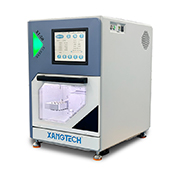
مهارات طبيب الأسنان مهمة جدا أيضا. العمل الدقيق أثناء صنع يؤثر على تناسب الحافة والقرب من تطابق الظل. دقة أداة المختبر تساعد بنفس القدر. أعلى التروس مثل XANGTECH’ آلات القطع تضمن جودة ثابتة في صنع. يحتفظون بحدود قريبة لجميع الأنواع الثابتة.
نظرة دقيقة على الأداء الجمالي ورضا المريض
لماذا يفضل المرضى استعادة ديسيليكات الليثيوم؟
عادة ما يحب المرضى خيارات التاج ديسيليكات الليثيوم. يخلطون المظهر العلوي بسهولة. سمة مرور الضوء الحقيقي تجعل لمعان الأسنان الحقيقي. هذا يفوز خيارات المعادن. بما أن هذه الإصلاحات تفتقر إلى المعادن ، فإنها تتجاوز مخاطر استجابات الحساسية أو اضطراب الأنسجة التي تظهر في الأشخاص الحساسين للمعادن.
يضيف استقرار الظل الكثير إلى الفرح المريض. يحافظ ديسيليكات الليثيوم على لونه على مر السنين. تجنب البقع من القهوة أو النبيذ. هذه النتيجة المؤكدة تناسب المرضى الذين يريدون وظائف طب الأسنان القوية ولكن مرضية للعين.
التوازن بين الجمال والوظائف: هل يستحق الاستثمار؟
من وجهة نظر طب الأسنان، وضع المال في الليثيوم ديسيليكات التاج الأسنان يعطي قيمة كبيرة على المدى الطويل. إنهم يقدمون ميزات مزدوجة من الاستئناف والارتداد. يحتاجون إلى تبادل أقل من الأشياء الأضعف مثل خلاطات الراتنج أو الخزف الرقيق.
على الرغم من أن تكاليف البداية تفوق السيراميك المعتاد ، إلا أن الصيانة القليلة تساوي ذلك في وقت لاحق. بالنسبة للمرضى الذين يقدرون المظهر الحقيقي مع العمل الصلب - وخاصة أولئك الذين يريدون مباراة من الأمام إلى الخلف - يبقى ديسيليكات الليثيوم أحد أفضل خيارات المال اليوم.
مساهمة XANGTECH في حلول ديسيليكات الليثيوم المتقدمة
مواد مبتكرة مهندسة من قبل XANGTECH
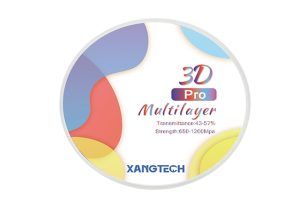
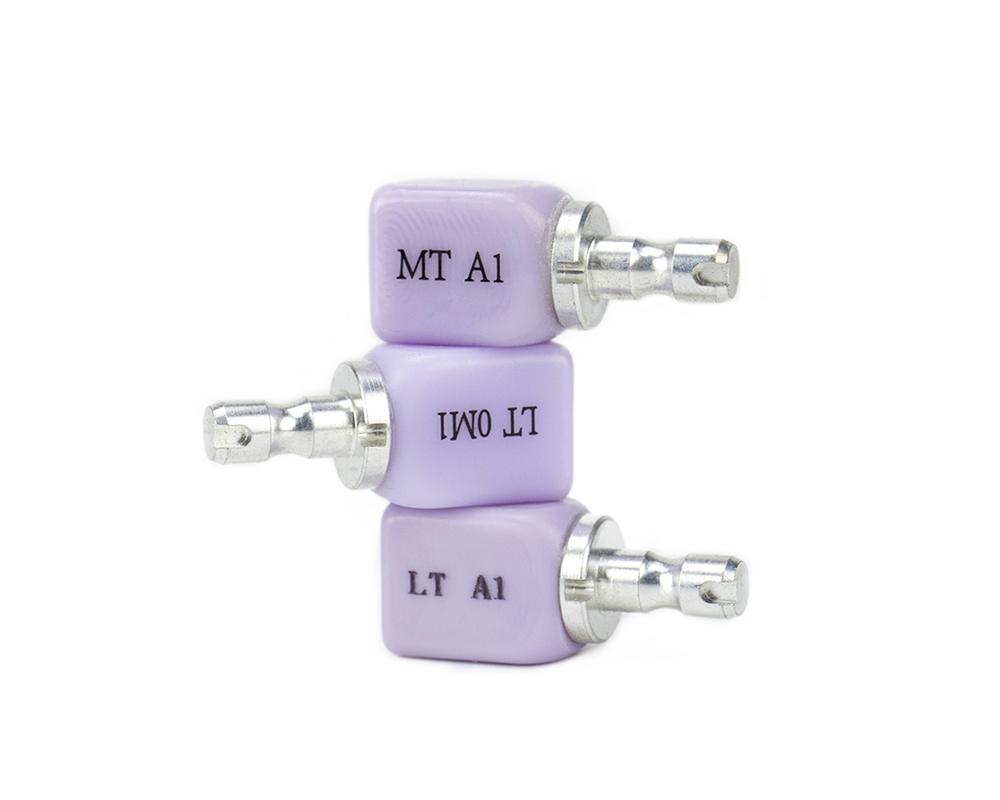
عند XANGTECHونحن نركز على إنشاء المواد السيراميكية عالية الأداء اليوم’ احتياجات إصلاح الأسنان. خطنا يغطي المواد الثابتة مثل كتل الزركونيا والخيارات الزجاجية السيراميكية مثل ديسيليكات الليثيوم. XANGTECH ديسيليكات الليثيوم يوفر مزايا كبيرة لتجديد الأسنان. يتم ضبط مجموعة كتلة ديسيليكات الليثيوم لدينا لأنظمة القطع CAD / CAM وطرق الصحافة. وهذا يتيح التقنيين الاختيار أثناء صنع مع الحفاظ على أفضل النتائج.
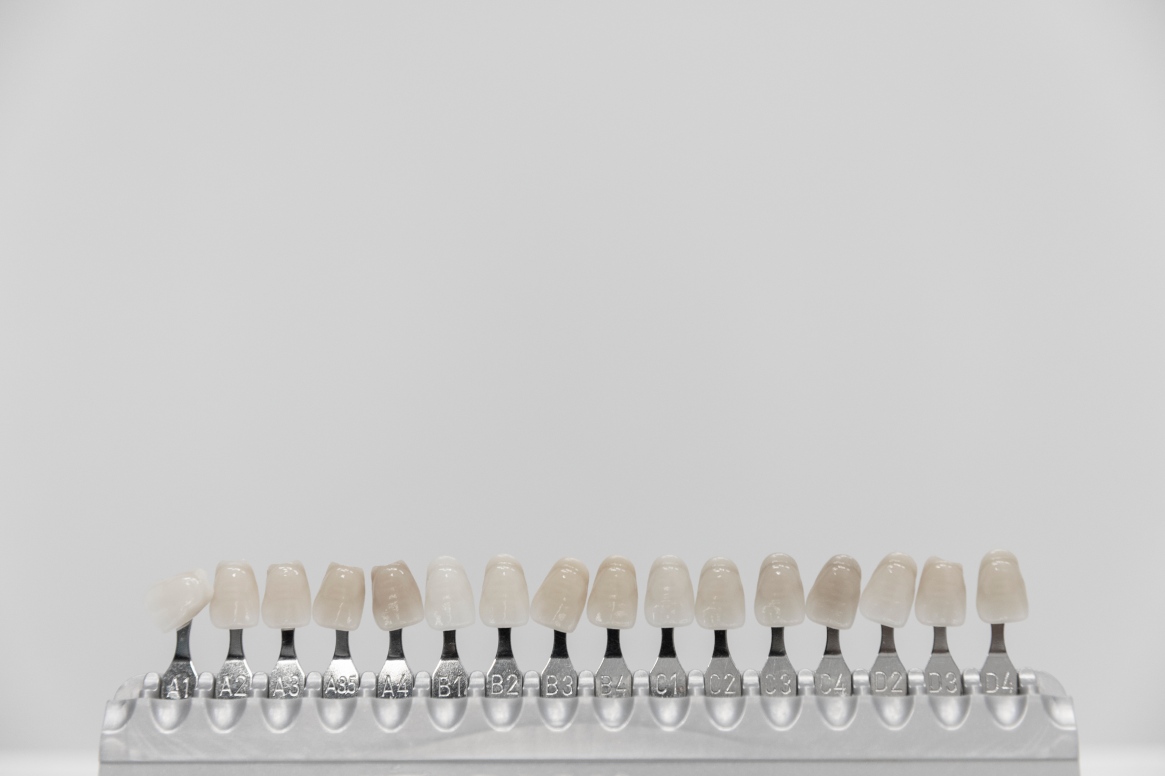
نحن نبني عناصرنا بوضوح متساوي (LT / HT) على العديد من الظلال (A1-D2؛ BL1-BL4). هذا يسمح بمطابقة الظل الدقيقة لجميع حالات المرضى. خطوة التدفئة السهلة تقلل من وقت صنع. ومع ذلك، فإنه لا يقلل من الإنتاج. هذا هو زائد رئيسي للمختبرات الكاملة التي تتعامل مع الكثير من العناصر المخصصة ، مثل ما هو قطع التاج ديسيليكات الليثيوم أو الجسور.
فوائد اختيار منتجات XANGTECH لمحترفي طب الأسنان
من خلال اختيار موادنا، يستفيد عمال طب الأسنان من عمليات فحص الجودة المستمرة. هذه تأتي من تكنولوجيا التصنيع الحديثة. نحن نقدم إعدادات كاملة للمواد الإصلاحية والأدوات الرقمية مثل الأفران والقطاع. تعهدنا يجلب نتائج مؤكدة. ينطبق هذا سواء كان صنع قشرة واحدة أو إصلاحات متعددة مع مجموعة كتلة CAD / CAM ديسيليكات الليثيوم.
نحن نستمر في وضع الأموال في الدراسات لتعزيز الدائمة من خلال بناء بلورات أفضل. هذه ترفع مقاومة كسر. وفي الوقت نفسه ، يحافظون على مستويات الوضوح المطلوبة من قبل قواعد طب الأسنان في جميع أنحاء العالم.
أسئلة متكررة
س: كم من الوقت يستمر عادة التاج ديسيليكات الليثيوم؟
ج: يمكن لمعظم تاج ديسيليكات الليثيوم المصنعة احترافياً أن تستمر بين 10 و 15 سنة أو أكثر عندما يتم الحفاظ عليها بشكل صحيح من خلال الرعاية الروتينية والفحوصات.
س: هل يمكن استخدام ديسيليكات الليثيوم لإعادة الأسنان الخلفية؟
ج: نعم - الجسور ديسيليكات الليثيوم أو التاجين الخلفية تعمل بشكل جيد تحت قوى المضغ المعتدلة عندما تدعمها تصميم التحضير المناسب.
س: هل ديسيليكات الليثيوم آمن للمرضى الذين يعانون من حساسية المعادن؟
ج: بالتأكيد. توفر هذه السيراميك الخالية من المعادن التوافق البيولوجي الكامل مما يجعلها خيارات مثالية للأفراد الحساسين الذين يبحثون عن خيارات ترميمية آمنة خالية من ردود الفعل الحساسية.


