
Lo que hace que los discos PMMA sean una opción popular en las restauraciones dentales modernas
El uso creciente de PMMA en odontología
El PMMA (polimetilmetacrilato) se ha convertido en uno de los materiales más utilizados en odontología restaurativa. Esto se debe a su fuerte mezcla de biocompatibilidad, maquinabilidad y encanto visual. Es especialmente valorado por la creación de coronas temporales, puentes, restauraciones de arco completo y estructuras apoyadas por implantes. Los discos de PMMA monocapa de XANGTECH sirven como un material esencial en la actualidad. Odontología. Están cuidadosamente diseñados para hacer prótesis dentales robustas y fiables. Esta flexibilidad les conviene tanto para usos breves como duraderos.
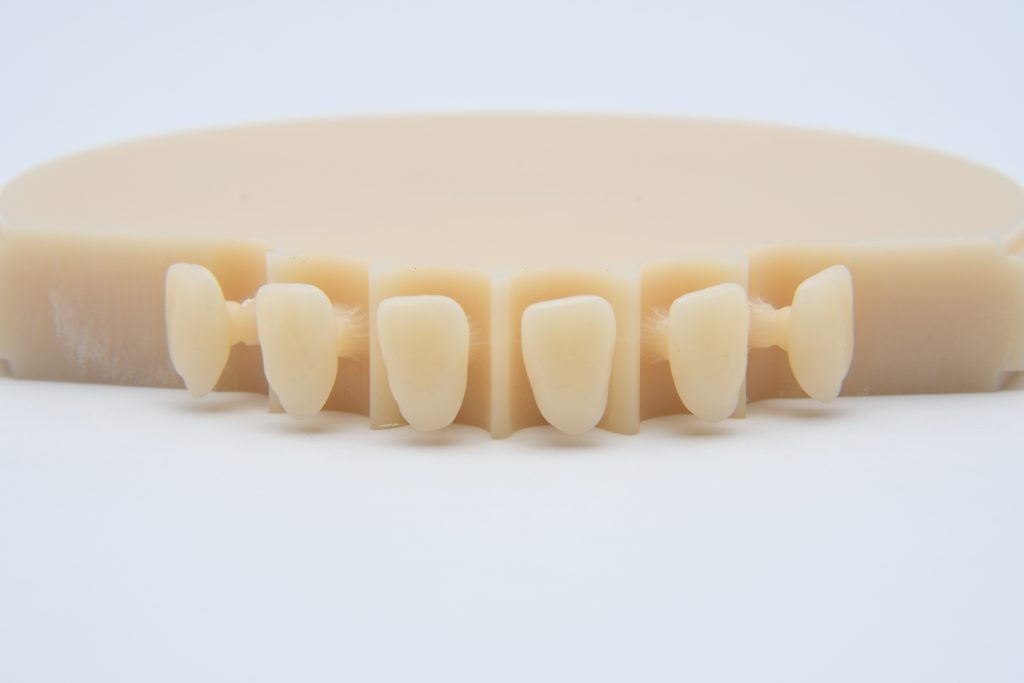
El bajo costo del PMMA en comparación con los materiales de cerámica o zirconia también ha impulsado su adopción más amplia en laboratorios y clínicas dentales. Se encaja perfectamente en los flujos de trabajo digitales. Estos flujos de trabajo utilizan sistemas de fresado CAD/CAM para una producción precisa. XANGTECH Amann Girrbach Disco PMMA monocapa está construido para sistemas de fresado CAD/CAM. Permite la creación de diversas restauraciones dentales, como coronas, puentes, chapas y estructuras soportadas por implantes. La combinación de manejo económico, sencillo y resultados constantes posiciona los discos PMMA como un material clave entre las mejores opciones de discos PMMA dentales en el mercado hoy en día.
La evolución hacia opciones avanzadas de disco PMMA
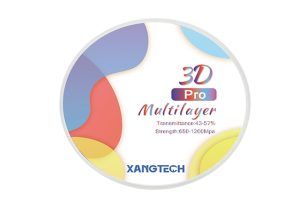
Los bloques básicos de PMMA de un solo tono han cambiado a tipos multicapa más complejos. Estos muestran cambios de color naturales como el esmalte y la dentina. Tales cambios han mejorado la apariencia sin aumentar la dificultad de manejo. Los avances en la tecnología CAD/CAM también han mejorado la precisión y la fiabilidad. Los discos pmma multicapa XANGTECH ofrecen muchas ventajas que los convierten en un material preferido para restauraciones dentales.
Los laboratorios dentales actuales ahora pueden acceder a una gama más amplia de tonos, translucidez y resistencias mecánicas. Este progreso permite a los médicos elegir entre los discos en blanco de PMMA monocapa superior para restauraciones prácticas. O pueden elegir los mejores discos multicapa PMMA para un trabajo frontal realista.
¿Cómo se diferencian los discos PMMA multicapa y monocapa?
Composición estructural: ¿qué los diferencia?
Los discos PMMA monocapa están hechos de un único bloque de resina uniforme. Esto proporciona un rendimiento mecánico constante durante todo el proceso. Por otra parte, los discos multicapa tienen varias capas con diferentes tonos y translucencias. Estos imitan estrechamente la estructura dental natural. Discos PMMA multicapa Son altamente flexibles. Funcionan bien para muchas restauraciones dentales. Su construcción en capas permite a los técnicos obtener cambios naturales de las áreas cervicales a las incisales. Y lo hacen sin colorear a mano.
Comparación de rendimiento estético
Los resultados estéticos varían mucho entre estos dos tipos de discos. Los diseños multicapa dan cambios de tono suaves que copian dientes reales. Mientras tanto, los tipos monocapa mantienen el color uniforme, lo que se adapta mejor para restauraciones de espaldas donde la apariencia importa menos. Los discos PMMA monocapa proporcionan rasgos de color estables. Esto ayuda a los profesionales dentales a lograr grandes resultados estéticos. Para situaciones que necesitan efectos reales, como coronas frontales, el disco superior de PMMA multicapa ofrece una mejor translucidez y profundidad de color.
Durabilidad y eficiencia de fresado
La durabilidad depende de la densidad de la estructura interna y la uniformidad del polímero. Las versiones multicapa a menudo muestran una mejor resistencia al desgaste. Esto proviene de métodos de capa refinados. Sin embargo, las opciones de monocapa son más fáciles de fresar. Se adaptan a la salida de alto volumen o ajustes de entrenamiento. La velocidad de fresado también depende del ajuste de la máquina. Los modernos sistemas de fresado de XANGTECH aseguran un emparejamiento fácil con ambos tipos de discos. Ayuda a procesos de fabricación eficientes. Esto reduce el tiempo de producción. Al mismo tiempo, mantiene una alta precisión.
Para los laboratorios que buscan una mezcla de rendimiento y ahorro de costos, el bloque en blanco de PMMA monocapa superior sigue siendo una opción económica pero confiable.
¿Qué tipo de dentista deberían elegir en 2026?
Evaluación de aplicaciones clínicas: ¿Cuándo utilizar cada opción?
Escenarios ideales para discos PMMA multicapa
Los tipos de capas múltiples se sugieren cuando los looks vienen primero. Esto es especialmente cierto en áreas frontales o puentes largos que necesitan desplazamientos uniformes de sombra sobre varias unidades. Su sombreado realista reduce los pasos posteriores al trabajo como la tinción o la formación de capas.
Escenarios ideales para discos PMMA monocapa
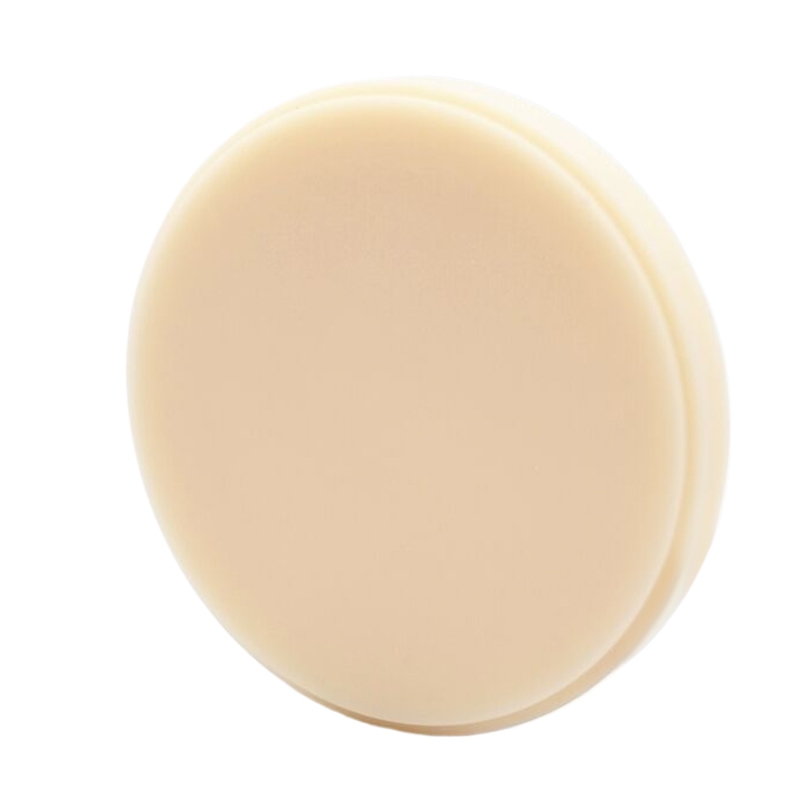
Los discos monocapa todavía ofrecen beneficios en regiones posteriores o casos temporales. Aquí, la dureza estructural importa más que los cambios estéticos. También encajan cuando los tiempos de finalización rápidos son clave. O cuando los fondos están limitados. Esto los convierte en parte del grupo líder de discos PMMA monocapa de los principales fabricantes.
Costo vs. Rendimiento: ¿Vale la pena la actualización?
Mientras que los artículos multicapa suelen costar más debido a su compleja construcción, cortan el tiempo en las fases de acabado. Esto sucede mediante la reducción de las tareas de sombreado de manos. Las monocapas pueden necesitar pulido o acristalamiento adicional. Pero permanecen muy económicos para usos regulares. La elección final depende de las necesidades del paciente y los enfoques del proceso de laboratorio. Podría ser el realismo de gama alta del mejor disco multicapa PMMA. O la utilidad de una elección monocapa sólida.
¿Cómo están innovando los fabricantes en la tecnología de discos PMMA?
Los avances materiales que dan forma a las tendencias de 2026
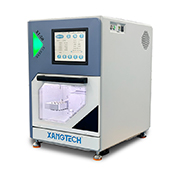
Los estudios en curso buscan aumentar la resistencia a la flexión. Al mismo tiempo, mantienen el equilibrio de transparencia en cada capa. Mejores formas de polimerización reducen la tensión interna durante la fresadora. Esto conduce a menos pequeñas grietas e incluso superficies después del pulido. La vinculación con los flujos de trabajo digitales asegura la coincidencia exacta de colores. Esto utiliza guías de sombra integradas en el software CAD / CAM como las en Máquinas de fresado de XANGTECH.
Desarrollos de sostenibilidad y biocompatibilidad
Los fabricantes ahora enfatizan más las formas de producción verde. Esto reduce los residuos en los procesos de fabricación. Sin embargo, tienen estándares completos de aprobación de biocompatibilidad. Su método de producción ecológico coincide con el creciente enfoque en la sostenibilidad en el campo dental. Los pasos de prueba más fuertes garantizan un uso bucal seguro. Esto es cierto incluso durante mucho tiempo.
La contribución de XANGTECH a las soluciones PMMA dentales de alta calidad en 2026
Gama de productos multicapa y monocapa de XANGTECH
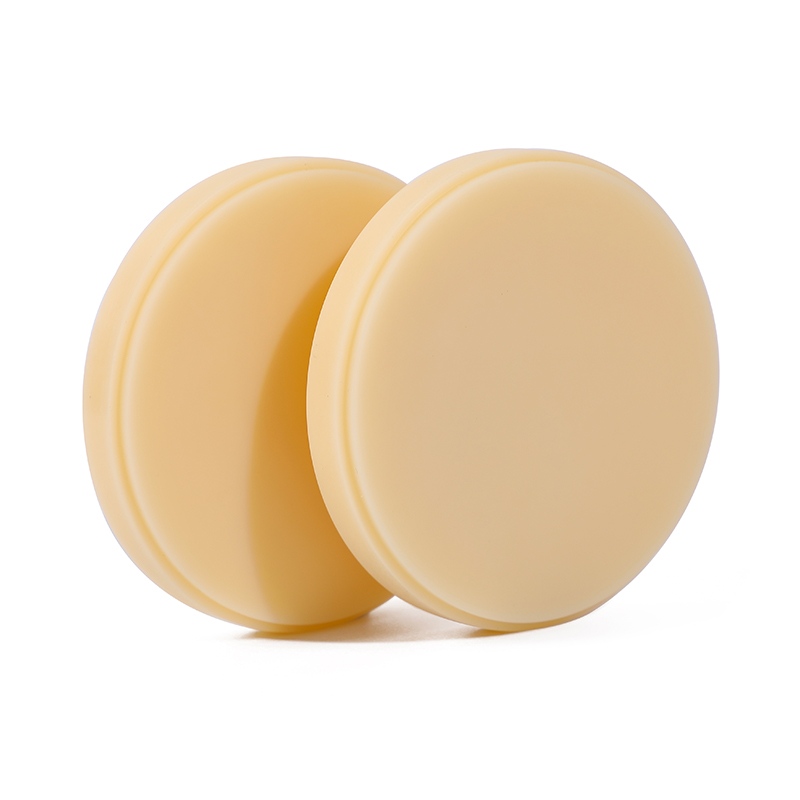
Como un fabricante calificado de discos pmma multicapa y fabricante de discos pmma monocapa con más de diez años de experiencia suministrando mercados mundiales, en XANGTECH proporcionamos soluciones cuidadosamente hechas. Estos se ajustan a las necesidades clínicas actuales. Nuestra línea incluye materiales de restauración como Zirconia Block, Ceramic Glass y PMMA Block. Se encuentran en grupos tales como disco pmma monocapa y disco pmma multicapa. Nuestros tipos multicapa mezclan dureza con cambios naturales de translucidez. Estos son perfectos para resultados reales. Mientras tanto, nuestras monocapas dan una solidez mecánica constante. Esto se adapta al trabajo diario de laboratorio o uso escolar.
Cada disco XANGTECH funciona con los principales sistemas CAD/CAM de todo el mundo. Esto garantiza una conexión suave sin importar la configuración. Y se destaca como algunas de las mejores opciones de bloqueo de disco pmma hoy en día.
Por qué XANGTECH destaca en el mercado de materiales dentales
Utilizamos procesos de fabricación de vanguardia. Estos aseguran una capa de sombra correcta en todas nuestras capas múltiples. También mantienen la estabilidad del tamaño después de fresar. Nuestros duros controles de calidad prometen la mejor pulibilidad después del trabajo. Esta es una razón principal para obtener brillos similares al esmalte que más gustan a los pacientes. XANGTECH Amann Girrbach Monolayer PMMA Disc tiene máxima mecanizabilidad y rasgos físicos. Como una fábrica de discos multicapa pmma confiable enfocada en nuevas ideas, seguimos construyendo materiales verdes. Estos respaldan tanto la calidad clínica como el cuidado ecológico.
Preguntas frecuentes
P: ¿Cuál es la principal diferencia entre discos PMMA multicapa y monocapa?
R: Las capas múltiples contienen varias capas de color que copian los desplazamientos dentales de una manera natural. Las monocapas mantienen la coloración uniforme a través de un bloque de resina. Cada uno se ajusta a diferentes objetivos clínicos en función de las necesidades de apariencia.
P: ¿Son los discos PMMA multicapa más fuertes que las monocapas?
R: En general, sí. Su maquillaje en capas a menudo mejora la producción estructural a través de una dispersión de densidad uniforme. Y todavía cumple con las reglas básicas de resistencia dental establecidas por los mejores estándares de fábrica de discos multicapa de pmma como el nuestro.
P: ¿Qué tipo se adapta mejor a las restauraciones estéticas?
R: Para usos frontales que necesitan efectos de sombreado reales sin pasos de tinción adicionales, los mejores discos multicapa pmma son imbatibles. Esto se debe a sus habilidades de imitación de gradiente incorporadas de los principales fabricantes de discos multicapa pmma como XANGTECH.


