
Qu'est-ce qu'une fraise dentaire et comment fonctionne-t-elle ?
Fonction des fraises dentaires dans les systèmes de CFAO
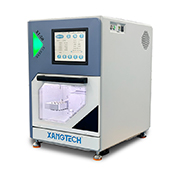
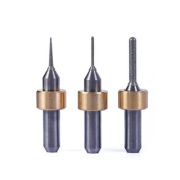
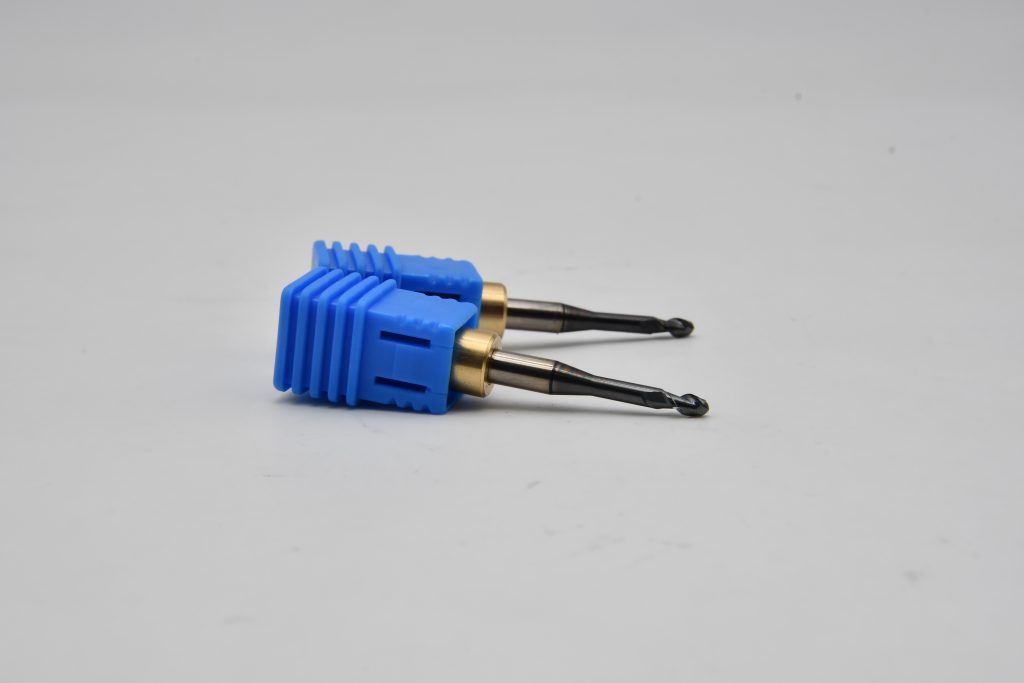
Borses de fraisage dentaire Les fraises sont des outils de précision. Elles permettent de couper, façonner et lisser les matériaux dentaires au sein de systèmes de conception et de fabrication assistées par ordinateur (CFAO). Ces fraises CFAO enlèvent des couches de matériaux tels que la zircone, le PMMA, la cire ou la résine composite. Ce procédé permet de réaliser des restaurations détaillées comme des couronnes, des bridges et des facettes. La forme et le revêtement de chaque fraise sont essentiels. Les fraises diamantées conviennent aux céramiques dures, tandis que les fraises en carbure sont plus performantes sur les polymères plus tendres. Ces choix influent sur la vitesse de coupe, la qualité de surface finale et la durée de vie de l'outil.
Dans les flux de travail de la dentisterie numérique, les fraises dentaires CFAO permettent de transformer les plans numériques en restaurations concrètes. Le logiciel de la machine contrôle chaque trajectoire de coupe, garantissant une précision au micron près. Des revêtements spéciaux sur les fraises améliorent leur résistance à l'usure et réduisent la friction lors de la rotation rapide. Ces deux caractéristiques contribuent à prolonger la durée de vie de l'outil et à préserver la qualité des surfaces.
Types de fraises dentaires utilisées en dentisterie moderne
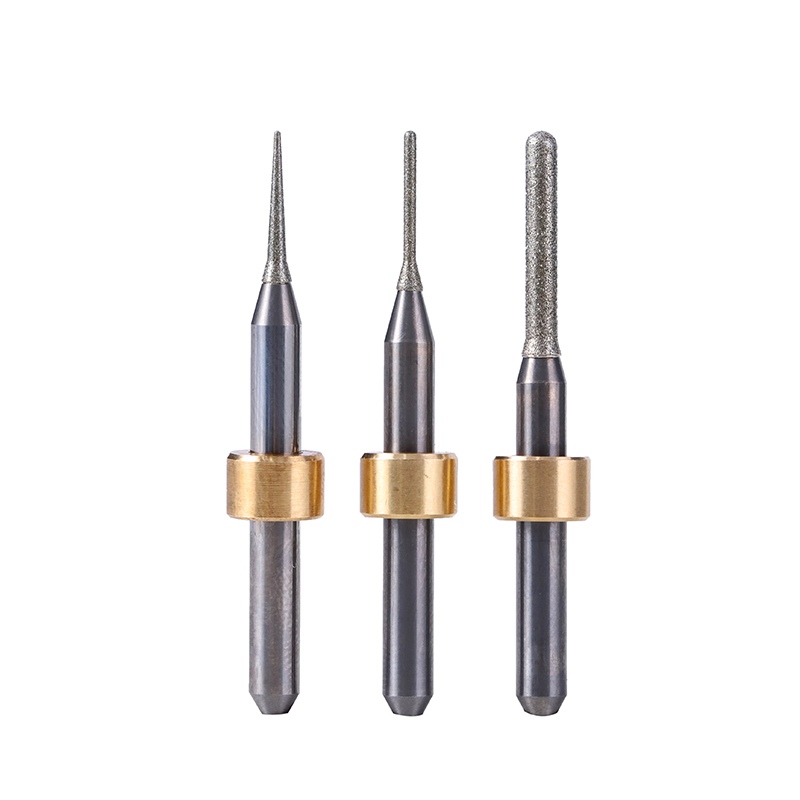
Différentes fraises sont adaptées aux différentes étapes d'usinage et aux différents matériaux. Les fraises diamantées sont performantes sur les matériaux durs comme la zircone. Elles conservent leur tranchant même sous forte pression. Les fraises en carbure conviennent aux matériaux plus tendres tels que le PMMA ou la cire. Elles offrent une bonne flexibilité et sont efficaces pour l'ébauche.
Les formes spécifiques ont également leur importance. Les fraises étagées permettent l'ébauche. Les fraises cylindriques assurent la finition des parois. Les fraises coniques ou sphériques créent des contours précis. Chaque forme contribue à la réalisation de formes complexes grâce aux systèmes de CAO/FAO actuels. Ces systèmes dominent aujourd'hui le marché des fraises dentaires.
Comment choisir la fraise dentaire adaptée au fraisage de la zircone
Quels facteurs faut-il prendre en compte lors du choix d'une fraise ?
Le choix des fraises pour le fraisage de la zircone implique de prendre en compte plusieurs aspects techniques. La zircone étant un matériau très dur, il est nécessaire d'utiliser des fraises à revêtement diamant ou DLC qui conservent leur tranchant même en cas de forte friction. L'adaptation à la machine est également primordiale : chaque fraise doit correspondre au diamètre de broche et au porte-outil du système CAO/FAO utilisé.
La qualité de surface souhaitée influe également sur le choix. Les revêtements à grain fin offrent des résultats plus lisses et nécessitent une vitesse de rotation plus lente. L'équilibre entre ces deux points garantit une production stable et prévient l'usure prématurée et l'écaillage lors du fraisage de la zircone.
Relation entre la géométrie de la fraise et la précision de fraisage
La forme de la fraise influe sur la précision et la durée de vie de l'outil. Les petits diamètres permettent un travail de précision sur les surfaces de coupe, mais s'usent plus rapidement sous charge. Les grands diamètres offrent une meilleure stabilité lors de l'ébauche, mais peuvent limiter le travail de contournage fin. Une bonne planification de la trajectoire d'outil dans le logiciel améliore la précision, répartit uniformément l'enlèvement de matière et prolonge la durée de vie de la fraise.
Lors du fraisage de céramiques denses comme la zircone, il est essentiel de régler correctement la vitesse d'avance, la vitesse de broche et le fluide de refroidissement. Ces réglages permettent d'éviter la surchauffe et les microfissures susceptibles d'endommager la restauration finale.
Comment le type de machine influence-t-il le choix de votre fraise dentaire ?
Compatibilité des fraises avec les machines CAO/FAO 4 et 5 axes
Pour des résultats optimaux, la conception des fraises doit être adaptée au type de machine. Les machines à quatre axes réalisent les restaurations standard avec des jeux de fraises de base. Ces jeux permettent des coupes verticales et horizontales. Les systèmes à cinq axes nécessitent des fraises plus longues ou coudées. Ces fraises permettent d'atteindre les contre-dépouilles et les formes complexes sous différents angles.
La longueur de l'outil doit correspondre à l'amplitude de mouvement de la machine. Cette correspondance évite les collisions lors des rotations ou des inclinaisons. Les machines à cinq axes permettent de réaliser des courbes plus douces. Cette capacité contribue à produire des restaurations d'aspect naturel à partir de blocs de zircone.
Erreurs courantes lors de l'association des fraises aux machines
Certaines erreurs sont fréquentes. Des diamètres de tige incorrects peuvent provoquer des vibrations ou des cassures. Ignorer les vitesses de broche recommandées réduit la durée de vie de l'outil. Un débit de liquide de refroidissement insuffisant nuit au contrôle de la température lors du fraisage de la zircone. Un réglage correct de la pression d'air est également important. Il empêche la poussière d'obstruer les porte-outils. Ce problème survient fréquemment lors des travaux de fraisage dentaires rapides avec des fraises CAD/CAM.
Comment prolonger la durée de vie de vos fraises dentaires
Pratiques de maintenance qui améliorent la durabilité
Un entretien régulier prolonge la durée de vie des fraises. Nettoyez-les après chaque utilisation. Cette étape permet d'éliminer la poussière de zircone qui émousse les tranchants au fil du temps. Rangez les outils dans des étuis secs pour éviter la corrosion et les ébréchures. Les revêtements diamantés nécessitent un entretien particulier. Inspectez régulièrement les outils à la loupe. Les premiers signes d'usure sont visibles avant qu'ils n'affectent la qualité du travail.
Respectez les recommandations du fabricant concernant les temps de réaffûtage. Cette pratique garantit des performances constantes sur de nombreux cycles de production. De nombreux laboratoires professionnels utilisent désormais cette méthode pour les fraises dentaires de grande taille.
Paramètres de fraisage optimaux pour les matériaux en zircone
La vitesse d'avance, la vitesse de broche et les paramètres de refroidissement doivent être conformes aux recommandations pour la zircone. Les modifications apportées en fonction de la dureté du matériau permettent de réduire la chaleur et d'assurer une évacuation régulière des copeaux. Remplacez rapidement les outils usés, car ceux-ci engendrent des forces de coupe irrégulières. Ces forces peuvent entraîner des défauts dimensionnels sur les couronnes ou les bridges lors de séries longues.
Fraises dentaires XANGTECH : outils de précision pour applications sur zircone
Pourquoi les professionnels choisissent XANGTECH pour leurs solutions de fraisage CAO/FAO
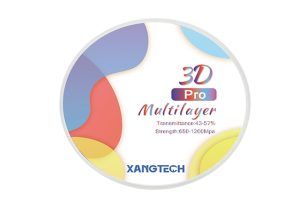
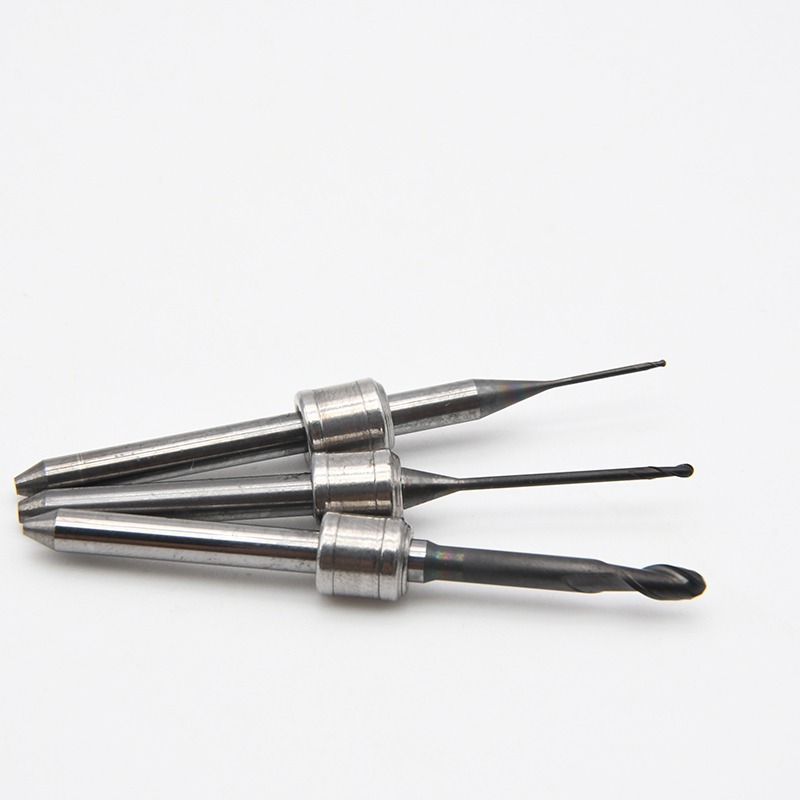
Chez XANGTECH, nous fabriquons des fraises de fraisage CAD/CAM haute performance pour le travail de la zircone dans les laboratoires dentaires modernes. XANGTECH Amann Girrbach brosses de fraisage en zirconie Nos fraises sont soumises à des contrôles de qualité rigoureux. Elles répondent à des normes élevées et offrent des performances stables et fiables pour les travaux de restauration dentaire. Compatibles avec les principaux systèmes CFAO du monde entier, leur conception de précision garantit un ajustement parfait sur différentes broches.
Nous appliquons des revêtements de pointe, comme le carbone amorphe (DLC). Ces revêtements offrent une excellente résistance à l'usure sur les céramiques dures telles que la zircone. La fraise à zircone Amann Girrbach utilise un revêtement diamant ou DLC. Ce choix garantit une dureté, une résistance à l'usure et une résistance à la corrosion optimales. Les revêtements sont parfaitement adaptés aux matériaux à haute résistance. Les clients bénéficient ainsi de vitesses de coupe efficaces sans compromettre la qualité de surface ni la précision dimensionnelle.
Principales caractéristiques de la gamme de fraises dentaires XANGTECH
Haute efficacité de coupe et longévité
Notre technologie de revêtement offre une excellente résistance à l'abrasion lors d'usinages prolongés de céramiques denses telles que les blocs de zircone. Les fraises conservent leur tranchant et leurs performances de coupe même en cas d'utilisation intensive. Cette conception prolonge leur durée de vie et réduit les temps d'arrêt liés aux changements d'outils fréquents.
Précision constante lors de multiples restaurations
Chaque XANGTECH La fraise dentaire est fabriquée selon des normes de tolérance très strictes. Ce procédé garantit une concentricité stable tout au long du cycle de fabrication. Il en résulte une qualité constante, de la première couronne au dernier bridge. Les laboratoires s'appuient sur cette constance pour maintenir des standards de production élevés sur l'ensemble du marché des fraises dentaires.
Gamme de produits complète
Nous proposons une vaste sélection d'outils, incluant des fraises à ébaucher étagées, des fraises de finition coniques, des fraises à bout sphérique et des fraises latérales cylindriques. Toutes les versions conviennent aux étapes d'ébauche et de finition des flux de travail numériques. Notre gamme est compatible avec de nombreux modèles de restauration sur systèmes 4 ou 5 axes. Grâce à notre technologie de fraisage de zircone, nous optimisons chaque étape pour des résultats d'une précision optimale.
FAQ (questions fréquentes)
Q : À quelle fréquence dois-je remplacer mes fraises dentaires ?
A : Remplacez les fraises dentaires lorsqu'elles s'émoussent ou que leur vitesse de coupe diminue. Cela se produit généralement après la réalisation de plusieurs dizaines d'unités en zircone. La durée exacte dépend de l'intensité de la charge de travail.
Q : Puis-je utiliser le même jeu de fraises pour différents matériaux comme la zircone et le PMMA ?
A : Nous le déconseillons. Chaque matériau nécessite des revêtements et des formes spécifiques, adaptés à son niveau de dureté. L'utilisation d'un ensemble inadapté entraîne une usure prématurée des outils.
Q : Qu’est-ce qui provoque l’écaillage ou la fissuration lors du fraisage de la zircone ?
A : Les causes fréquentes incluent une vitesse de broche trop élevée, des avances incorrectes, des outils usés ou un refroidissement insuffisant. Des réglages appropriés et des solutions de fraisage professionnelles comme celles de XANGTECH permettent d'éviter ces problèmes.


