
Quels sont les facteurs qui influent sur la sélection d'une borne de fraisage pour les matériaux abrasifs?
Comment la dureté du matériau affecte le choix du broyeur de fraisage
Lors du choix d'une borne de fraisage pour les matériaux bruts, la ténacité de la pièce à travailler compte comme l'un des principaux éléments. Des matériaux plus durs nécessitent des bornes avec une plus grande résistance à l'usure et une puissance de coupe plus forte. Cette configuration offre des performances constantes et moins de pannes d'outils. Prenons la zirconie, par exemple. Il est connu pour sa solidité et sa qualité durable. Il nécessite des bornes de fraisage CAD/CAM dentaires personnalisées qui maintiennent leur netteté dans des situations difficiles. Le maquillage du matériau donne la meilleure forme. Il sélectionne également le type de revêtement qui réduit le frottement et la hausse de chaleur.
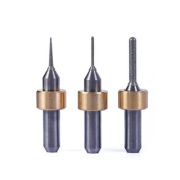
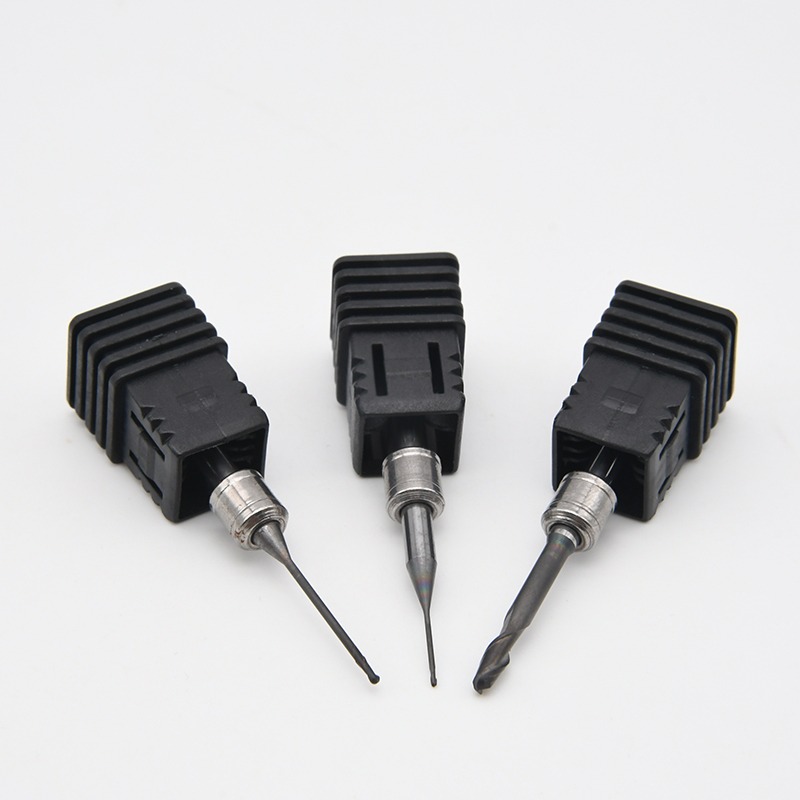
XANGTECH Amann Girrbach broyeur de fraisage de zirconie utilise un revêtement de diamant ou du carbone semblable au diamant. Cela offre une dureté fine, une résistance à l'usure et une défense contre la rouille. Ainsi, il gère correctement les matériaux à haute résistance. Cet exemple montre comment le choix d'un revêtement est directement lié à la résistance du matériau et aux résultats prévus. La sélection d'un bur qui correspond au degré de ténacité augmente la production, la qualité de finition de surface et la puissance durable de l'outil.
Évaluation de l'efficacité et de la durabilité de la coupe
Le rendement de coupe dépend de l'efficacité avec laquelle une borne de fraisage maintient sa pointe de pointe lors d'un travail prolongé avec des objets bruts comme la zirconie ou le verre en céramique. Burs construits pour ces matériaux doivent mélanger l'acuité avec la résistance. Cela évite une rupture précoce. Trop de frottement peut causer des dommages thermiques. Cela entraîne des pauses ou des taches inégales sur les restaurations. Des installations de refroidissement adaptées, qu'il s'agisse d'air ou de liquide, aident à manipuler la température pendant les travaux de fraisage rapides.
La borne de fraisage VHF fonctionne bien pour les systèmes de fraisage VHF. Il s’associe parfaitement aux configurations matérielles et logicielles de VHF. Cet accouplement garantit un bon rendement de fraisage et des résultats précis. Un tel accouplement assure une meilleure sortie de coupe. Il maintient également une longue période de service dans les paramètres durs. En outre, l'application de lubrifiant ou de rondes de coupe espacées aide à maintenir l'intégrité de l'outil dans les zones à frottement élevé.
Caractéristiques clés de conception qui définissent une borne de fraisage efficace
Considérations sur la géométrie et la conception de la flûte
La forme d'une borne de fraisage - y compris le nombre de flûtes, la forme et l'angle - forme l'enlèvement des puces, le contrôle des secoussements et la précision totale immédiatement. Angles de flûte fine réglage stimuler le mouvement de puce. Ils réduisent également le bruit dans le processus. Pour les matériaux bruts comme la zirconie ou les disques PMMA dans les fixations dentaires, le choix des styles à une, deux ou plusieurs flûtes dépend de l'épaisseur du matériau et de la vitesse de fraisage nécessaire.
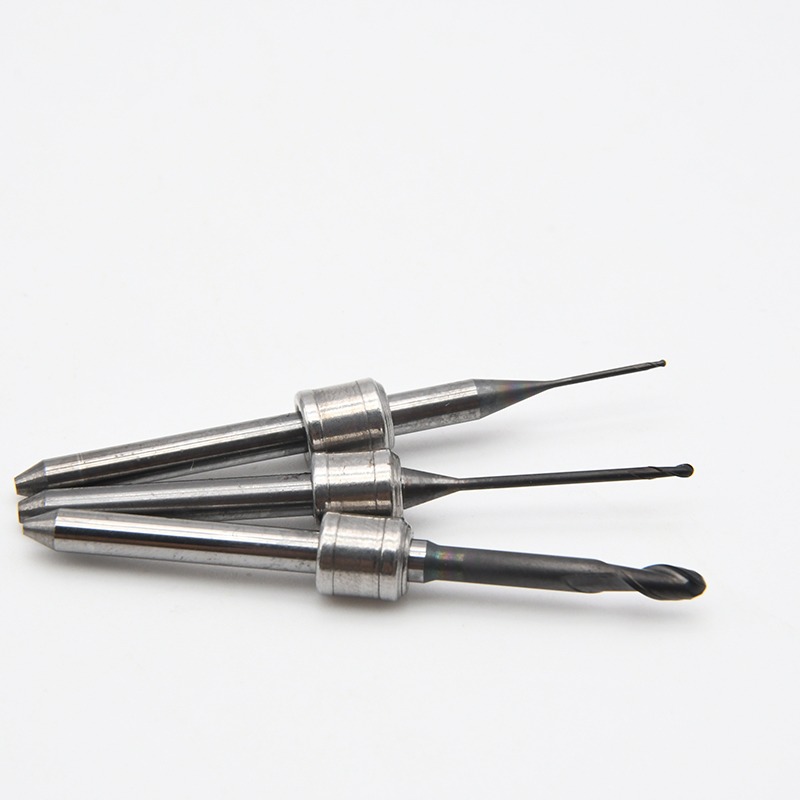
Les bornes de fraisage Wieland sont constituées de bornes en carbure fin. Ils offrent des aiguilles revêtues de diamant, qui résistent et luttent contre l'usure, et s'adaptent à des matériaux durs tels que la zirconie. Ce choix de forme permet une meilleure suppression des puces et une norme de bord stable même après une longue utilisation.
Types de revêtements qui prolongent la durée de vie de l'outil
Options de revêtement communes pour les applications abrasives
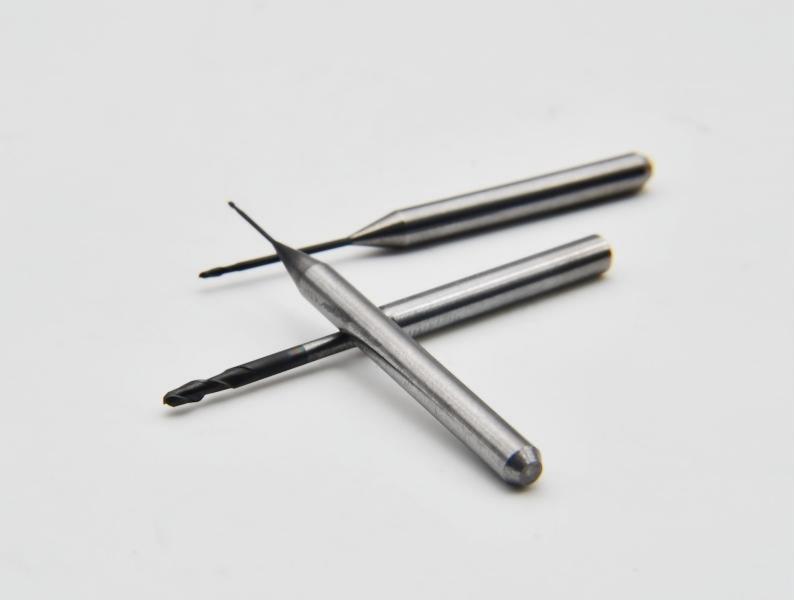
Le revêtement mis sur une borne de fraisage joue un rôle clé dans l'allongement de sa durée de travail. Les revêtements à base de titane augmentent la résistance de surface. Ils réduisent le frottement lors du contact continu avec des bases fermes. Les revêtements diamantés (DLC) offrent une protection de haut niveau contre l'usure - idéal pour les bornes de fraisage CAD/CAM dentaires fonctionnant sur blocs de zirconie ou céramique.
Les borses de fraisage en zirconie Roland sont largement utilisées dans les fixations dentaires, en particulier dans le travail des matériaux en zirconie. Le revêtement en diamant et le revêtement en carbone semblable au diamant sur ces bornes leur accordent une durée de service prolongée. Ils restent enthousiastes même dans des milieux de travail forts. L'alignement des revêtements sur le matériau coupé et la norme de finition assure une précision constante au cours des différents cycles de production.
Comment associer les spécifications de la borne de fraisage aux besoins de l'application
Quels sont les paramètres clés à considérer avant d'acheter?
Avant d'acheter des bornes de fraisage à came cad, les utilisateurs doivent évaluer des détails tels que le diamètre, la taille de la tige, la longueur de la flûte, la correspondance de vitesse de la broche et l'allocation de taux d'alimentation. Ces détails définissent à quel point le bur s'adapte parfaitement aux systèmes CAD/CAM actuels dans les ateliers dentaires. Les bornes de fraisage en zirconie XANGTECH Amann Girrbach s'associent parfaitement aux systèmes d'usinage CAD/CAM habituels sur le marché. Cette combinaison assure un mélange facile de flux de travail sur différents systèmes numériques.
Les choix de vitesse forment la texture de surface standard. Dans le même temps, la résistance de la broche oscille le rythme d'enlèvement du matériau. La combinaison de ces aspects promet des performances solides sur divers travaux difficiles sans nuire à la précision ou provoquer une usure supplémentaire.
Équilibrer les coûts, les performances et la longévité
Les dépenses sur les produits des fabricants de borses de fraise dentaire de haut niveau offrent généralement une plus grande valeur à long terme que le choix d'options budgétaires nécessitant des remplacements fréquents. Le carbure de tungstène fin mélangé avec des revêtements frais réduit beaucoup le temps d'arrêt des déplacements d'outils. Les borses de fraisage Wieland sont fabriquées avec une technologie exacte. Le niveau et la fermeté des bors sont très élevés. Ils offrent une longue vie. Ils continuent à couper la force. Ils réduisent les coûts des swaps réguliers. Juger le coût de propriété total par rapport au prix de départ assure des dépenses durables dans la force de production.
Défis communs lors de la fraisage de matériaux abrasifs - et comment les surmonter
Gérer la génération de chaleur pendant les opérations de fraisage
Trop de chaleur est l'un des principaux problèmes dans la manipulation rapide des matériaux bruts. Il peut emboîtir rapidement les bords de coupe ou déclencher de minuscules ruptures dans des pièces fragiles comme la céramique ou les couronnes en zirconie. L'utilisation de configurations de liquide de refroidissement ou d'espaces de coupe variables permet aux travailleurs de maintenir des points de température primaires tout au long des travaux.
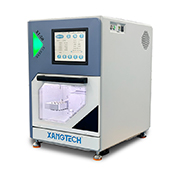
XANGTECH Fraiseuse de métaux RX-8H mélange le système de refroidissement à l'eau, le débit d'huile de coupe et la compression d'air. Ces pièces mélangées illustrent des plans solides de traitement thermique qui bloquent la surchauffage lors de longues courses.
Prévenir l'usure prématurée de l'outil dans des conditions de frottement élevé
Pour bloquer l'usure précoce en dessous d'une pression de frottement constante, les travailleurs devraient vérifier régulièrement les bords de débordement pour détecter des taches noires ou des signes de rupture. L'essuyement après chaque tour nettoie les restes de morceaux qui pourraient accélérer l'usure dans les prochains tours. Le stockage adéquat dans les points d'humidité gérés ajoute à la longueur d'utilisation entre les tâches.
L'expertise de XANGTECH dans les borses de fraisage de précision pour les matériaux abrasifs
Pourquoi choisir XANGTECH pour des solutions de fraisage de haute durabilité?
Chez XANGTECH, nous nous concentrons sur l'élaboration de borses de fraisage dentaires à cam de cad fabriquées avec précision. Ces cibles sont utilisées à des fins rudes telles que la manipulation du disilicate de zirconie ou de lithium. Nos produits comprennent des revêtements frais qui soulèvent la ténacité même sous de fortes charges. Ils gardent même les finitions sur tous les types de restauration.
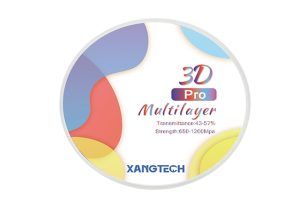
Matériaux et équipements de laboratoire dentaire de haute qualité pour des résultats supérieurs-XANGTECH reflète notre engagement de fournir des réparations larges. Cela comprend les produits de restauration tels que les blocs de zirconie et les disques PMMA. Il couvre les équipements numériques tels que les fours à frittage et les fours à porcelaine, tous adaptés aux trajets CAD/CAM actuels.
Notre innovation alimentée par la recherche garantit la stabilité des contrôles du plan aux résultats. Ainsi, chaque bien atteint des normes mondiales rigoureuses recherchées par les experts partout.
Caractéristiques du produit qui distinguent XANGTECH Fraisage Burs
Points saillants de l'approche d'ingénierie de XANGTECH
Notre façon d'ingénierie se concentre sur l'ajustement fin de la forme de la flûte pour couper l'agitation tout en élevant le rythme dans les tâches délicates de contour. Notre technologie de revêtement spéciale protège l'usure contre des bases robustes telles que des blocs de zirconie multicouches super translucides ou des disques PMMA roses pour la construction prothétique à court terme.
Chaque bur fait face à des tests difficiles pour confirmer la précision de la taille et la durabilité dans les utilisations difficiles. Grâce à des ajustements réguliers des cycles d'entrée de laboratoire, nous fournissons des outils solides qui aident les travailleurs à obtenir des résultats de correction optimale en toute douceur.
FAQ (questions fréquentes)
Q: Quel type de broche de fraisage fonctionne le mieux pour des matériaux extrêmement durs?
R: Pour les articles très difficiles tels que les blocs de zirconie ou la céramique de disilicate de lithium, les borses de fraisage de cérec revêtues de diamant donnent une tenue de ténacité inégalée et une protection contre l'usure. Ceux-ci correspondent à des emplois exacts à long terme.
Q: À quelle fréquence les bornes de fraisage doivent-elles être remplacées lors du travail avec des substances abrasives?
R: Le taux d'échange change avec la résistance à la charge. Néanmoins, des contrôles réguliers après quelques étapes aident à détecter la bluntness précoce avant qu'elle ne baisse la précision ou la norme de brillance de surface.
Q: Une borne de fraisage peut-elle être utilisée sur différents types de matériaux abrasifs?
R: Bien que les borses de fraisage à cam cad complètes apparaissent et puissent faire face à des maquillages mixtes - des disques PMMA à la céramique hybride - l'application de styles personnalisés par type de matériau soulève souvent la stabilité de précision et la production de durée de vie complète sur toutes les utilisations dentaires.


