
What Are 3Y, 4Y, and 5Y Zirconia?
Composition Differences Between 3Y, 4Y, and 5Y Zirconia
Zirconia used in dental restorations is stabilized with yttria (Y₂O₃), and the number preceding “Y” indicates the molar percentage of yttria in the material. 3Y zirconia contains approximately 3 mol% yttria, resulting in a predominantly tetragonal crystal structure that provides exceptional mechanical strength. 4Y zirconia, with 4 mol% yttria, has a mixed structure of tetragonal and cubic phases, offering a balance between strength and translucency. 5Y zirconia contains about 5 mol% yttria, leading to a higher cubic phase proportion that enhances translucency but reduces overall toughness.
The way cubic and tetragonal phases connect shapes how these materials react to stress. The tetragonal phase goes through transformation toughening. This happens when small cracks set off phase shifts that take in energy. That makes it great for use with lots of stress. On the other hand, the cubic phase stays steady. But it adds nothing to transformation toughening. This is why zirconias with more yttria let more light through. Yet they have less strength.
These makeup differences affect light and strength traits. Yttria content rises from 3Y to 5Y. This makes the material let more light pass. Light scatters less where grains meet. Flexural strength drops at the same time. The cause is weaker help from phase change toughening.
Why Do Yttria Levels Matter in Dental Zirconia Blocks?
In making dental zirconia blocks, the yttria amount decides the balance between looks and strength. More yttria, such as in 5Y, makes the material more transparent. This happens because it adds extra cubic crystals. These crystals let light pass through well. That feature proves key for front restorations. Looks count a lot there. Yet it lowers the bend strength at the same time. The reason lies in how cubic grains stay fixed when a force is applied.
Reduced yttria levels, such as those found in 3Y, boost resistance to fractures. This happens via transformation toughening. The change makes the material fit well for crowns or bridges in the back of the mouth. Those spots often face strong biting forces. Dentists, therefore, need to pick zirconia based on each case. They must match the wish for nice looks with the need for solid strength. This step leads to lasting success in both front and back tooth areas.
Comparing Strength and Translucency Among 3Y, 4Y, and 5Y Zirconia
Mechanical Properties: Which Zirconia Offers Greater Strength?
Among the three types, 3Y zirconia exhibits the highest flexural strength—typically exceeding 1000 MPa—due to its dense tetragonal structure and effective transformation toughening mechanism. 4Y zirconia ranges around 850–1000 MPa, maintaining sufficient strength for most single crowns while offering better optical qualities than 3Y. 5Y zirconia, dominated by cubic crystals, generally presents flexural strengths between 600–800 MPa.
Grain size also plays a part in overall performance. Smaller grains help boost density. At the same time, they limit how microcracks spread. In materials with lower yttria content, the tetragonal grains can shift under stress. This shift adds much to their excellent toughness. Consequently, 3Y zirconia remains the preferred choice for posterior restorations requiring high load-bearing capacity, such as multi-unit bridges or implant frameworks.
Optical Characteristics: How Does Translucency Differ?
Translucency rises with increasing cubic content because cubic crystals scatter less light than tetragonal ones. Thus, 5Y zirconia achieves enamel-like translucency ideal for aesthetic zones. In contrast, 3Y zirconia appears more opaque but ensures unmatched durability.
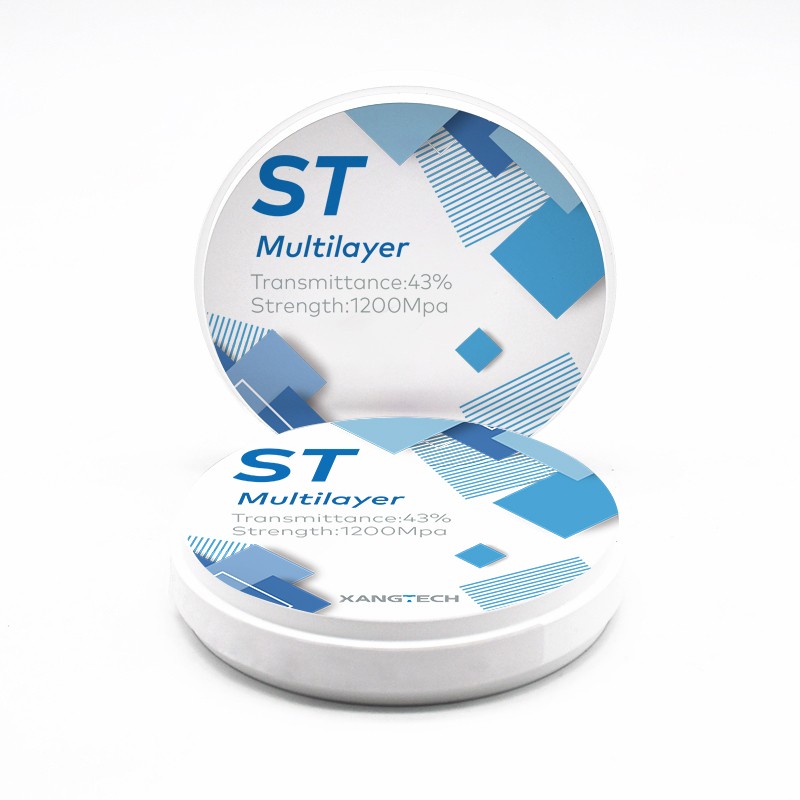
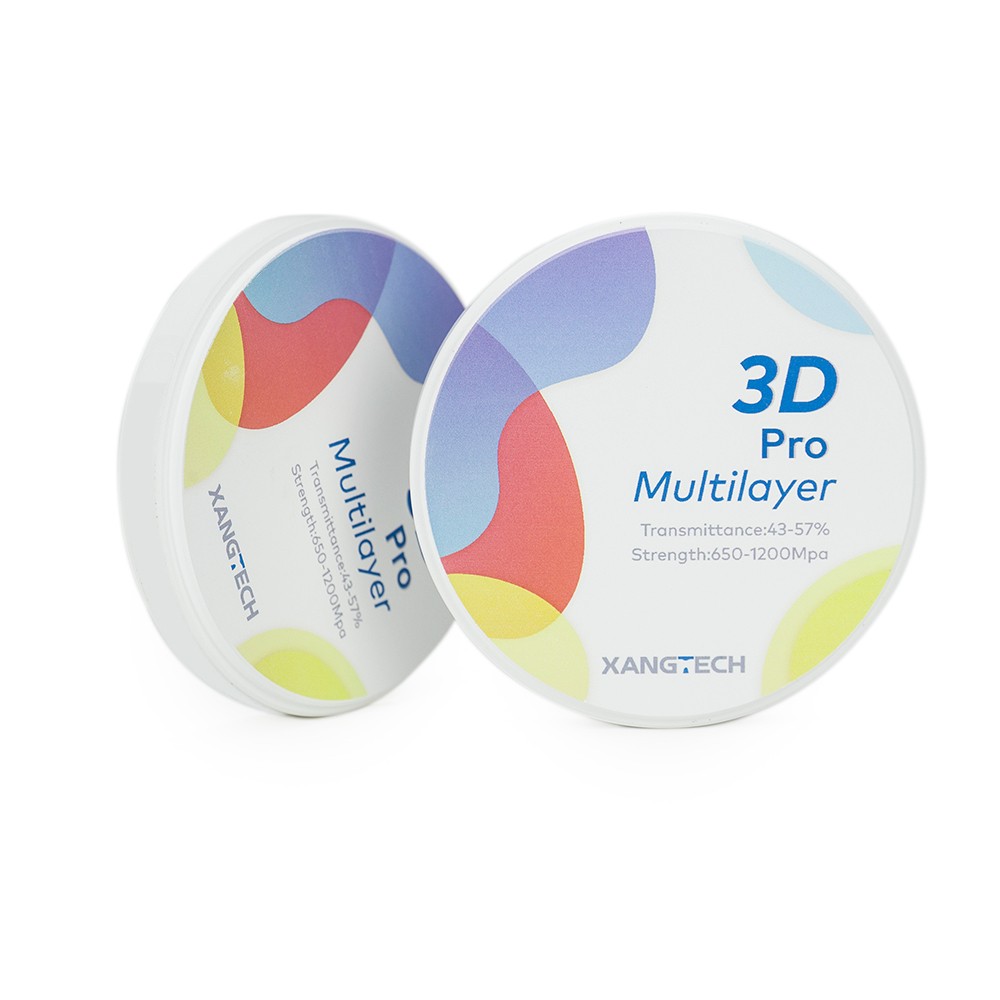
Clinically, this means dentists often use highly translucent materials like ST multilayer zirconia block or pre-shaded variants in visible areas where natural light reflection is critical. Multilayer blocks offer a smooth shift in light passage through their layers. The base shows a dentin-like opacity. The surface has an enamel-like clarity. This setup creates realistic outcomes. It works well even if no extra coloring is added.
Clinical Applications Based on Material Type
When Should Dentists Choose 3Y Zirconia?
Dentists should choose 3Y zirconia when maximum mechanical reliability is needed. This material works well for full-contour crowns. It also fits long-span bridges. In addition, it suits implant-supported frameworks. These go into the back of the mouth areas. Biting forces reach peak levels there. The material shows great toughness. This strength cuts chipping chances. Such problems may occur during daily use or when staff make adjustments. All this happens inside a zirconia block dental lab environment.
In What Cases Is 4Y Zirconia the Preferred Option?
4Y zirconia offers a middle ground between strength and esthetics. It suits monolithic crowns that reach from premolars to anterior teeth. Moderate translucency proves enough in these cases. Durability stays strong at the same time. The balanced traits turn this into a solid pick for transitional zones between posterior and anterior segments.
Why Do Clinicians Use 5Y Zirconia for Esthetic Restorations?
For highly visible restorations such as veneers or anterior crowns requiring natural brilliance, 5Y zirconia is preferred due to its superior translucency that mimics enamel’s optical behavior. Although slightly weaker mechanically, it provides outstanding visual harmony while enabling minimally invasive preparations thanks to its refined microstructure.
How to Select the Right Dental Zirconia Block for Your Practice?
Key Factors to Consider Before Choosing a Zirconia Type
Clinical Indication Alignment
Material selection must align with restoration location: posterior restorations demand high-strength options like 3Y; anterior cases benefit from translucent types like 5Y or multilayer variants produced by advanced pre-sintered zirconia blocks factory facilities, ensuring consistent quality.
Desired Aesthetic Outcome
Evaluate patient expectations regarding color matching and brightness. Pre-shaded options simplify workflow by eliminating manual staining steps while ensuring uniform hue distribution across layers.
Milling System Compatibility
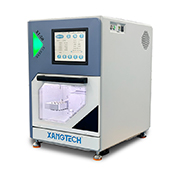
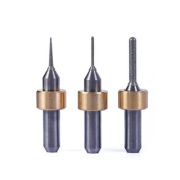
Dental professionals using CAD/CAM systems should ensure block dimensions match their equipment specifications for optimal results when processing dental zirconia block precision moulded parts accurately through digital workflows, such as dental zirconia block CAD/CAM setups.
XANGTECH’s Contribution to Advanced Dental Zirconia Solutions
Overview of XANGTECH’s Product Innovations in Dental Materials
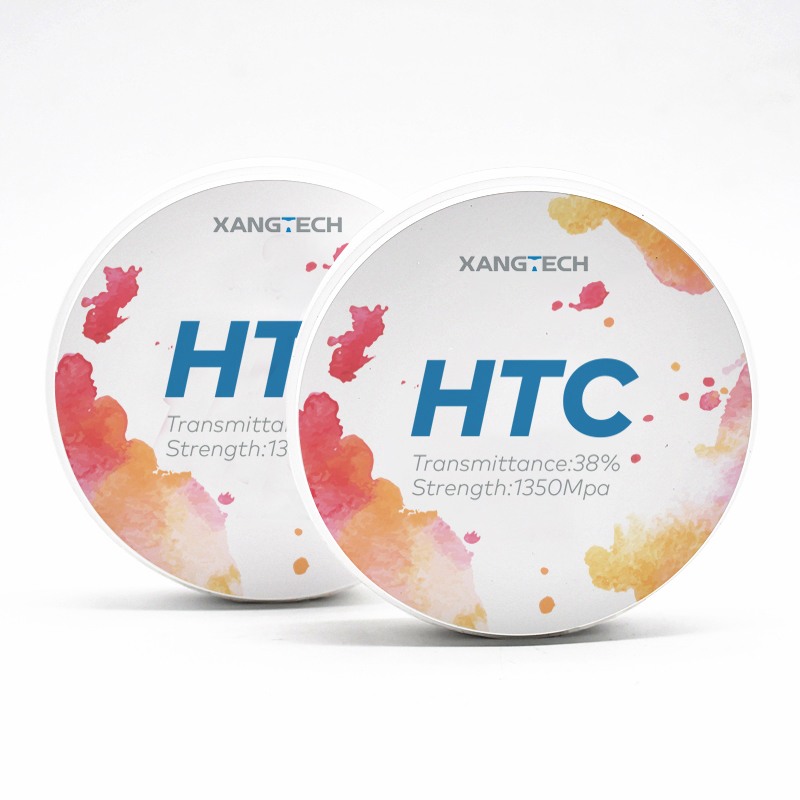
At XANGTECH, we highlight our dedication to innovation across restorative materials, including white zirconia blocks, pre-shaded options, and multilayer configurations tailored for diverse clinical demands. High translucent pre-shaded zirconia block is recognized as a leading solution in dental restorations, celebrated for its exceptional durability and precise color-matching capabilities. Renowned for its ability to replicate natural tooth color with remarkable accuracy, it seamlessly integrates with patients’ existing dentition.
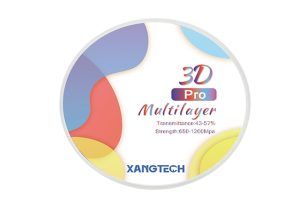
We engineer our pre-shaded zirconia blocks factory output using cold isostatic pressing technology that guarantees uniform density throughout each disc—ensuring consistent milling behavior during fabrication. Our multilayer lines, such as XANGTECH Super Translucent Multilayer Zirconia Block, exhibit transmittance up to 43%–46%, providing realistic depth effects while maintaining sufficient strength between 1000–1200 MPa, suitable even for extended prosthetics fabricated within modern CAD/CAM workflows.
Why Dental Professionals Choose XANGTECH Zirconia Blocks?
Quality Control and Manufacturing Excellence
All products are produced in strict accordance with technical standards. Our rigorous testing ensures predictable sintering outcomes when processed using compatible furnaces like our own sintering units designed for up to 1650 °C operation stability—ideal support equipment within any professional lab setup handling pre-sintered zirconia blocks factory batches efficiently.
Versatile Applications Across Restorative Dentistry
We provide comprehensive solutions spanning from high-strength posterior frameworks crafted from white or high-translucent grades to aesthetically demanding anterior cases utilizing super-high-translucent variants such as our Super High Translucent Multilayer series, delivering up to 46% light transmission. These innovations empower clinicians worldwide seeking dependable performance across all restoration types using ST multilayer zirconia block technology optimized through precision engineering principles derived from years of research experience at XANGTECH.
FAQ
Q: What Is the Lifespan of a Dental Restoration Made from Zirconia Blocks?
A: Zirconia restorations endure for more than ten years. Good daily cleaning habits help a lot here. Regular visits to the dentist also play a key role. This comes from their strong durability against wear. They also match well with natural body tissues.
Q: Are All Types of Dental Zirconia Blocks Safe for Patients With Metal Allergies?
A: Yes. Being completely metal-free materials produced under controlled conditions at our facilities ensures compatibility even among sensitive patients requiring hypoallergenic restorations.
Q: How Does Sintering Temperature Affect the Final Properties of a Zirconia Block?
A: Higher sintering temperatures enhance density and translucency but require precise control during furnace cycles. Our advanced furnaces maintain an error margin within ±1 °C, guaranteeing consistent outcomes across every batch processed inside any professional laboratory setting specializing in dental ceramics production.


