What Are Micro-Burs and Why Do They Matter for CAD/CAM Precision Work?
Defining Micro-Burs in the Context of Digital Manufacturing
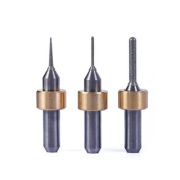
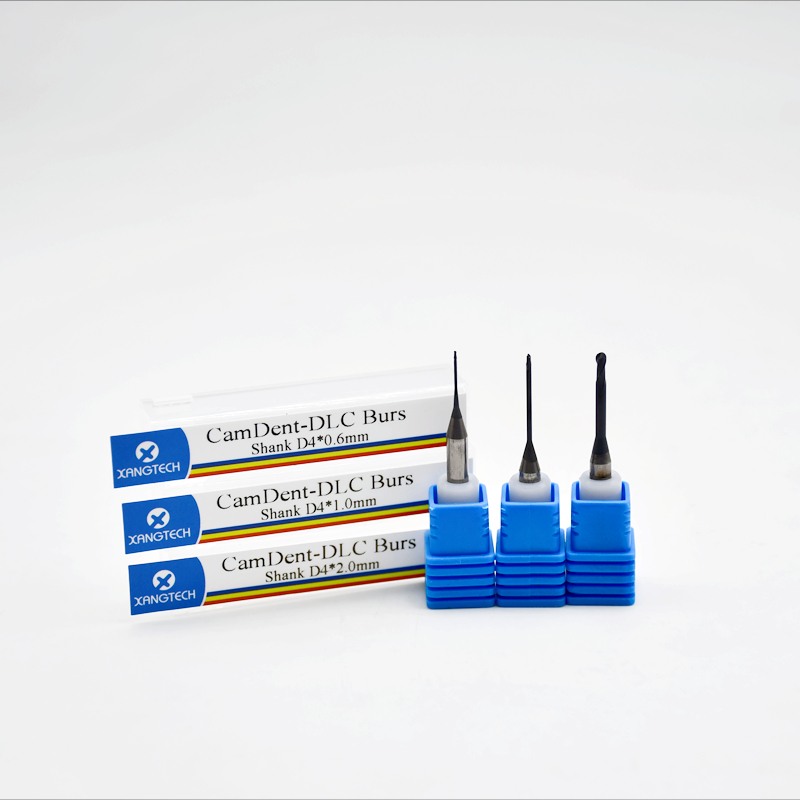
Micro-burs are tiny cutting tools. They handle detailed milling, trimming, and shaping in CAD/CAM systems. These tools form key parts in digital manufacturing. Accuracy and surface finish decide the quality of the finished item. They appear in several fields such as dentistry, jewelry design, and micro-engineering. Each of these fields needs strong precision along with steady results.
In dental work, micro-burs form a vital part of dental CAD/CAM milling burs systems. They help restorations like crowns or bridges reach exact sizes. Their shape, coating, and size shape how well they perform at high speeds. Diamond-coated or carbide burs, for example, last longer on hard materials such as zirconia or ceramics.
How Do Micro-Burs Influence CAD/CAM Accuracy?
The sharpness and balance of micro-burs shape milling smoothness and size accuracy. Burs that lack balance can create vibration during cutting. This vibration leads to errors in digital work. In contrast, burs for CAD/CAM systems keep steady cutting edges. They produce smoother surfaces and cut down on extra finishing steps.
Precision matters most in dental labs. Even a tiny error can hurt fit or function. Well-chosen micro-burs lower vibration and hold edge sharpness. This leads to better outcomes at every stage of digital production.
Key Factors to Consider When Choosing Micro-Burs for Precision Work
What Should You Look for in a High-Quality Micro-Bur?
Several points matter when picking high-quality milling burs:
- Material composition:Carbide or diamond-coated burs give strong durability and accuracy on both soft resins and hard ceramics.
- Cutting-edge design:Good flute shape moves chips away faster during milling.
- Shank compatibility:A proper fit in the spindle stops runout and keeps the tool steady at high speeds.
These points affect how well tools perform in dental milling burs market uses where accuracy cannot be ignored.
Matching Bur Type with Application Requirements
For Fine Detailing Tasks
Small-diameter burs from 0.3 mm to 1 mm work best for engraving or fine surface work. They give clear details without cutting into delicate areas.
For Rough Milling or Bulk Removal
Larger burs from 1 mm to 2 mm suit roughing or bulk removal. Speed comes first here over fine detail.
For Soft vs. Hard Materials
Coatings match different materials. Uncoated burs handle soft resins well. Diamond-coated burs resist wear on ceramics or metals.
How to Maintain Precision and Extend the Life of Micro-Burs
Why Does Maintenance Affect CAD/CAM Output Quality?
Dull or clogged burs leave chatter marks and size errors. Regular care keeps tools sharp and ready. Cleaning the flutes removes fine particles and prevents early wear. This keeps cutting conditions good for each job.
Best Practices for Handling and Storage
Good handling makes tools last longer:
- Keep micro-burs in dry trays to avoid rust or tip harm.
- Clean them with ultrasonic cleaners or air after each use.
- Track running hours so you replace them before performance drops.
These steps help keep steady quality in CAD/CAM milling burs work.
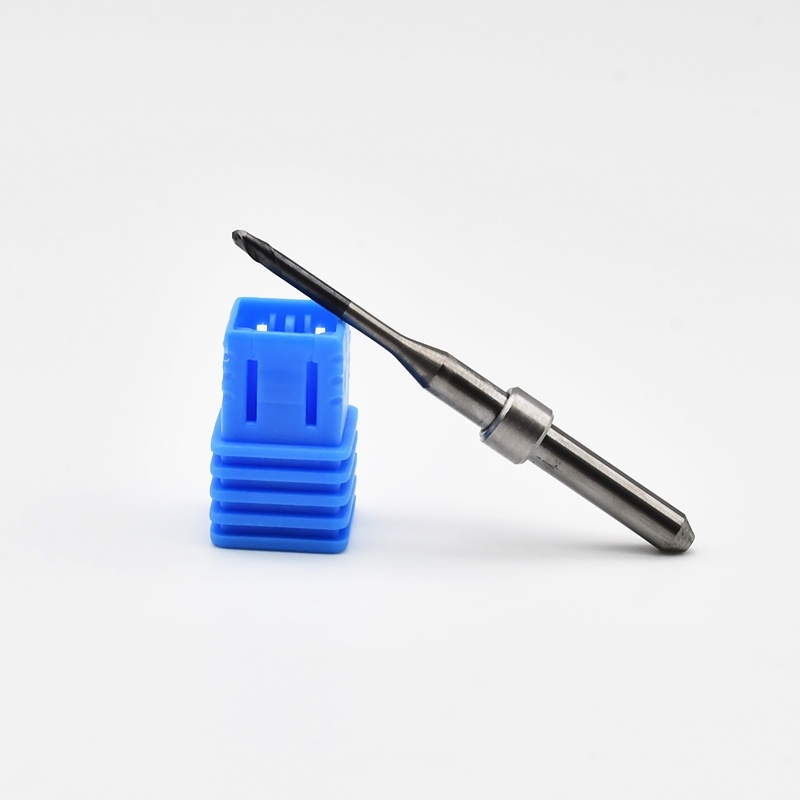
The Relationship Between Bur Geometry and Machining Accuracy
How Geometry Impacts Cutting Performance
Bur geometry controls how fast material leaves the cut. Flute angle changes chip speed. Shorter cutting lengths add stability on delicate parts. Multi-flute designs balance speed and accuracy. This balance matters when making complex dental restorations that need micron-level results.
Optimizing Feed Rate and Spindle Speed with Bur Design
Feed rate and spindle speed need adjustment based on bur size. Wrong settings cause heat or breakage. Lower feed rates improve detail with small tools. Higher speeds with cooling help output during large runs on zirconia milling burs.
XANGTECH’s Contribution to Precision Milling Solutions
Who Is XANGTECH and What Makes Their Micro-Burs Stand Out?
We at XANGTECH focus on advanced micro-bur production for CAD/CAM systems. Our work covers dentistry and other fields. We use high-grade carbide and precise grinding. These choices deliver steady results even in tough conditions.
XANGTECH Amann Girrbach zirconia milling burs pass strict tests. Each bur meets high standards and gives stable performance for dental restoration work. These features make our dental CAD/CAM milling burs reliable for fine finishes without loss of strength.
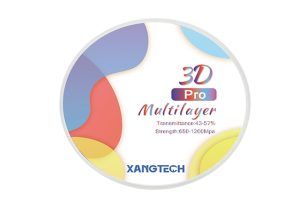
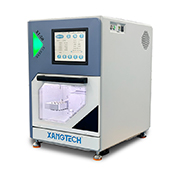
Our push for new ideas fits our full range of products. This range includes zirconia blocks, PMMA discs, furnaces, and 5-axis milling machines. All of them aim to improve digital manufacturing speed.
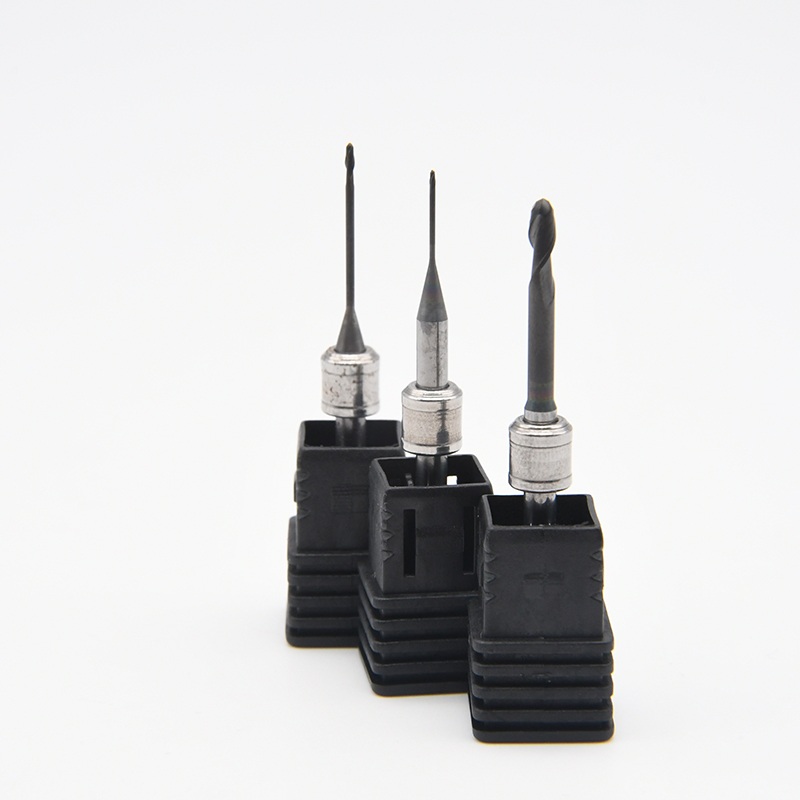
Product Highlights from XANGTECH’s Lineup
XANGTECH Ultra-Fine Series for High Detail Work
This series targets micro-milling jobs that need extreme accuracy on small features. The tools deliver strong detail results on complex shapes.
XANGTECH Diamond-Coated Burs for Hard Materials
Roland zirconia milling burs see wide use in dental restorations, especially with zirconia. Our diamond-coated line resists wear on ceramics, zirconia, or metal alloys. Tools last longer even with nonstop runs.
XANGTECH Standard Carbide Burs for General Applications
These models use tough tungsten carbide. They give a good mix of cost and accuracy for daily use in professional CAD/CAM settings.
FAQ
Q: How do I know which micro-bur size is right for my project?
A: The right size depends on your material and the detail level needed. Smaller sizes suit fine work. Larger sizes handle rough tasks faster inside dental CAD/CAM milling burs workflows.
Q: How often should I replace my micro-burs?
A: Replacement time changes with use intensity. Most users change them every 10 to 15 hours of steady running or when the surface finish starts to suffer.
Q: Can improper spindle speed damage micro-burs?
A: Yes. Speeds outside the recommended range create too much heat. This leads to early wear or breaks. Always follow the guidelines we at XANGTECH provide for any milling burs.