
Zirconia Block vs Other Materials: What Sets Them Apart?
What Is a Zirconia Block and How Is It Used in Dentistry?
A zirconia block is a robust ceramic substance mainly applied in restorative dentistry for crowns, bridges, and implant abutments. This substance has become quite popular because it blends outstanding durability with pleasing looks. Dental zirconia blocks are created with cutting-edge CAD/CAM technology. That approach guarantees accuracy, personalization, and uniformity for every restoration. The milling procedure forms the zirconia block into the needed shape before sintering. As a result, it produces a sturdy and compatible prosthesis.
Zirconia’s appeal comes from its capacity to satisfy both practical and visual needs. The substance’s tight microstructure offers great mechanical stability. Meanwhile, its white, tooth-like shade improves visual match with natural teeth. Current dental zirconia blocks for dental restoration use come in different translucency degrees to imitate the enamel’s natural light passage.
Comparing Zirconia with Traditional Materials Like Porcelain and Metal
Conventional substances like porcelain and metal have served restorative dentistry for many years. Porcelain delivers excellent aesthetics. However, it often proves fragile under heavy stress. Thus, it suits posterior restorations less where biting forces are most intense. Metal-based restorations, in contrast, give remarkable strength and endurance. Yet, they usually sacrifice aesthetics due to their lack of transparency and possible allergic responses.
Zirconia fills this void by merging the toughness of metal with the slight features of porcelain. It’s better resistance to breaking, which lets it handle strong occlusal pressures. At the same time, it keeps a natural-looking appearance. Plus, zirconia’s non-metallic quality removes problems like dark lines at the gums or electrical reactions often linked to metal restorations.
Strength and Durability: Does Zirconia Outperform Conventional Options?
Mechanical Properties That Define Zirconia’s Performance
The durability of zirconia rests in its special crystalline setup that yields high resistance to fractures. This trait allows dental zirconia blocks to avoid chipping or splitting even under notable pressure. Zirconia also shows strong resistance to wear. Therefore, it ensures that restorations keep their form and surface evenness over the years.
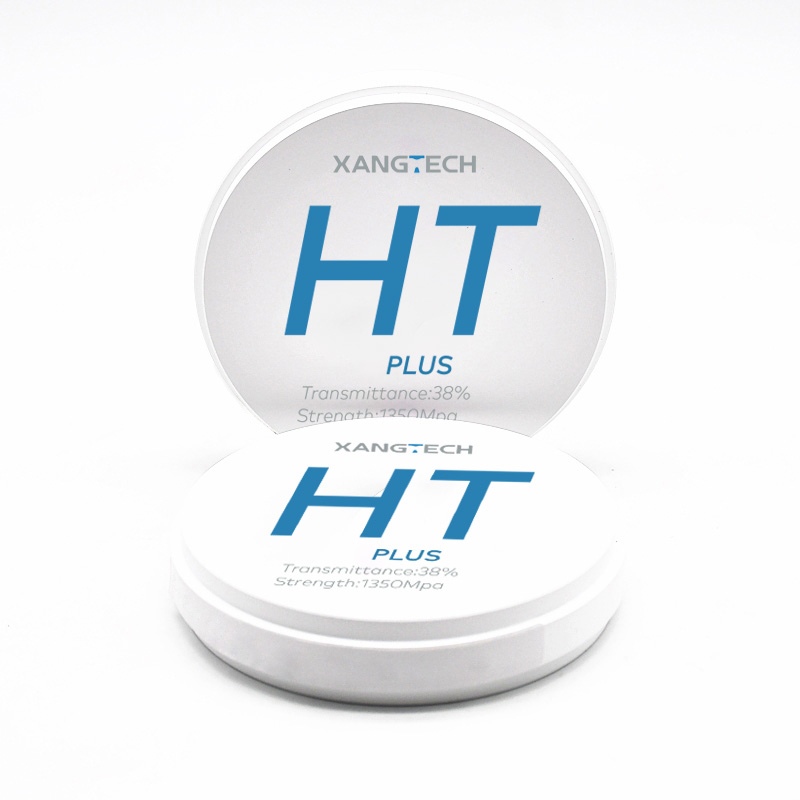
XANGTECH High Translucent Plus White Zirconia Block is a commonly employed substance in dental labs. It is appreciated for its firm texture, good chemical traits, and strong biocompatibility. These features make it perfect for extended oral uses where both operation and lasting quality matter. Its compact microstructure successfully stops crack spread. That further boosts its mechanical dependability.
Longevity Comparison Between Zirconia and Traditional Materials
When set against porcelain-fused-to-metal (PFM) restorations, zirconia crowns display a longer useful life. This happens because of their ability to resist rust and fading. PFM crowns might wear down as time passes. Metals can oxidize or interact with saliva. But zirconia stays steady even after many years of service.
The substance’s reasonable price paired with its top qualities makes it a great pick for dental experts. Suitable making methods—such as exact sintering periods—add more to the lifespan of these restorations. Consequently, patients face fewer swaps or fixes over the years.
Aesthetic Appeal: Can Zirconia Match Natural Teeth Better Than Others?
How Translucency Affects the Final Look of Dental Restorations
Today’s multilayered zirconia blocks copy the gradual translucency seen in real teeth—from the less see-through dentin layer to the clearer enamel surface. This stacked design makes sure that light travels through restorations much like it does with actual teeth.
XANGTECH Super Translucent Pre-Shaded Zirconia Block changes dental lab tasks with its better features over the usual white zirconia blocks. Its improved translucency lets dentists reach realistic outcomes without extra coloring steps. Moreover, tailored shading setups allow exact color fitting for various patient situations.
Unlike metal-based substances that might cause dark stains near the gum line, zirconia holds a steady color across its build—ensuring a smooth merge between restoration and nearby tissue.
Factors Influencing the Visual Quality of Zirconia Restorations
Surface treatment matters a lot in getting true-to-life results. Polishing or glazing boosts gloss while cutting down on plaque gathering. Layering techniques also bring added depth and feel like natural enamel layers.
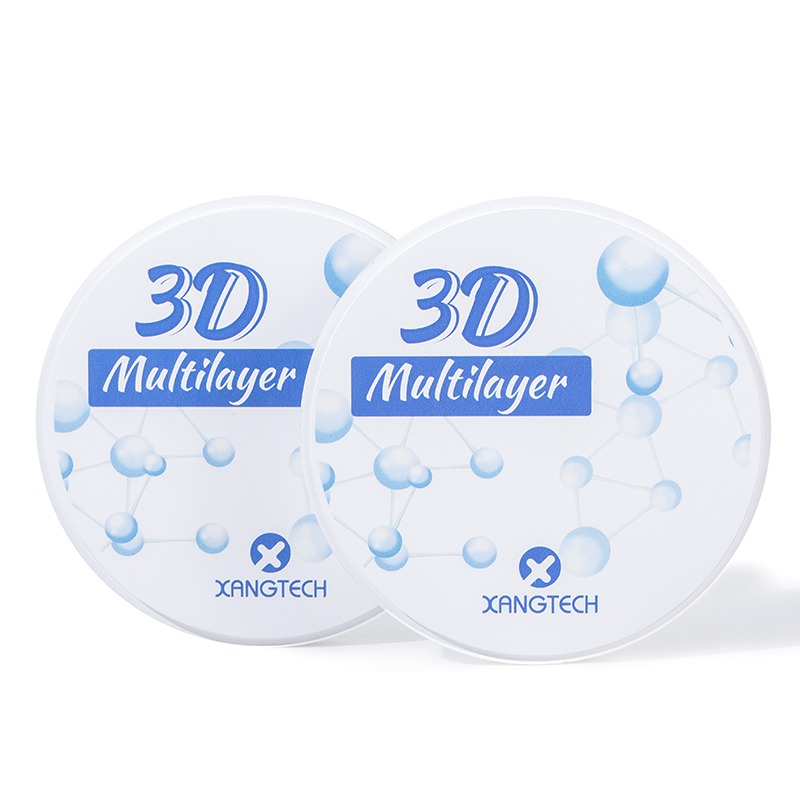
The choice between single-piece and multilayer kinds relies on clinical demands: single-piece zirconia gives greater strength for back teeth, while multilayer types offer better clarity for front uses. XANGTECH 3D Multilayer Zirconia Block is an advanced dental substance much valued for its steady chemical traits and compatibility with various open dental CAD/CAM systems.
Biocompatibility and Comfort: Why Do Patients Prefer Zirconia?
How Safe Is Zirconia for Oral Health?
Zirconia’s harmless makeup removes dangers tied to metal allergies or sensitivities. It’s even surface lowers bacterial sticking and plaque formation—helping keep gums healthy around restorations. Zirconia also works well as a heat barrier. So, it stops unease from hot or cold foods.
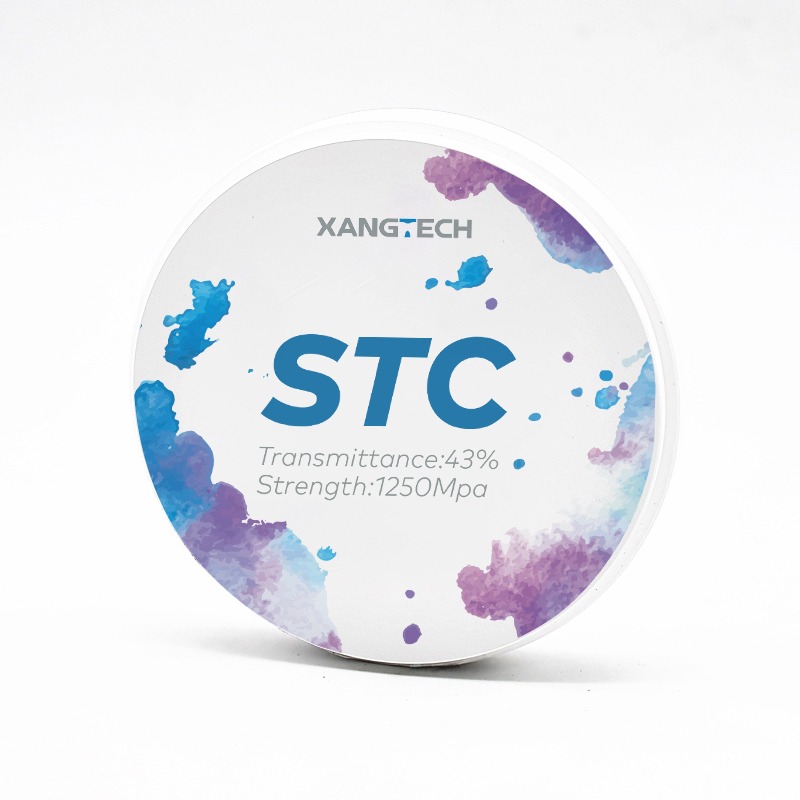
XANGTECH Super High Translucent Pre-Shaded Zirconia Block is carefully made to lift dental restorations with a fine mix of pleasing looks and working durability. The item’s resistance to aging makes sure that restorations stay firm without fading over time.
Patient Experience with Zirconia Restorations
Patients frequently mention better ease thanks to zirconia’s light weight over old metal mixes. The exact fit from CAD/CAM lessens annoyance at the edges. It also aids better tissue fitting.
Since changes after fitting are few, patients soon get used to their new devices—raising contentment in everyday tasks like biting or talking.
Cost Efficiency: Is Investing in Zirconia Worth It?
Evaluating the Long-Term Value of Zirconia Blocks
Even though starting costs could be above those of porcelain or metal choices, zirconia’s lasting nature leads to smaller total costs in the long run. The call for fewer replacements cuts down on overall care expenses as time goes on.
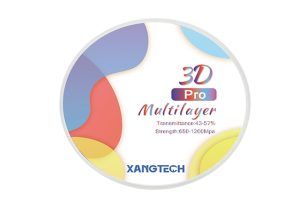
XANGTECH 3D Plus Multilayer Zirconia Block is a key advance in dental substances. It joins the perks of different zirconia blocks with top operation and money-saving aspects. Its forward-thinking setup simplifies making steps while upholding quality levels—making it a budget-friendly option for practices wanting speed without losing results.
Fewer upkeep needs also mean less time in the chair for both dentists and patients—a main plus in active clinic settings.
Balancing Budget with Quality in Material Selection
For patients wanting strong yet good-looking outcomes within fair budgets, zirconia offers a prime answer. Dentists can adjust care by picking the right levels based on working needs—such as back strength versus front clarity—to gain both function and charm effectively.
XANGTECH’s Contribution to Modern Dental Materials Innovation
How XANGTECH Enhances the Quality of Zirconia Blocks
At XANGTECH, we feel proud about making carefully designed dental zirconia blocks aimed at a better strength-clarity mix. XANGTECH shows our commitment to new ideas across restoration substances, including multilayer zirconia blocks factory setups that fit world standards.
Our forward production ways guarantee even density in every block—which cuts milling mistakes in CAD/CAM work—and supply several shades fitting both front looks and back toughness needs.
Why Dental Professionals Choose XANGTECH Products
We keep strict quality checks at each step. So, dentists can count on steady results across groups. Our items blend smoothly with top milling setups around the world—easing task flow in digital labs.
FAQ
Q: Are zirconia blocks stronger than porcelain crowns?
A: Yes. Dental zirconia blocks possess significantly higher fracture resistance than porcelain crowns due to their dense crystalline structure—making them ideal for molar regions exposed to strong biting forces.
Q: Do zirconia crowns look as natural as traditional ceramic ones?
A: Modern multilayered dental zirconia block designs replicate enamel translucency remarkably well—achieving lifelike aesthetics comparable to ceramics while maintaining superior mechanical integrity.
Q: How long do zirconia restorations typically last compared to metal-based options?
A: With proper care and fabrication accuracy, dental zirconia restorations can last 10–15 years or longer—often surpassing traditional metal-based alternatives that may corrode or lose color stability over time.


